


Basics of accepting credit card payments
In today’s fast-paced business world, both physical stores and e-commerce platforms must offer credit card payment options to stay competitive. Customers expect a quick and seamless checkout experience, and credit cards provide a fast, secure, and convenient way to pay. Accepting credit card payments reduces the need for cash transactions, minimizes the risk of handling large amounts of cash, and enhances overall efficiency.
For businesses, integrating credit card payments can expand customer reach, increase sales, and improve cash flow. However, setting up credit card processing can seem overwhelming, especially for business owners unfamiliar with payment gateways, processing fees, and security compliance. To start, selecting a reliable payment processor is essential. Business owners should understand transaction fees, potential monthly charges, and any additional costs associated with credit card processing. Additionally, choosing a system that complies with Payment Card Industry Data Security Standards (PCI DSS) ensures customer data protection and reduces the risk of fraud.
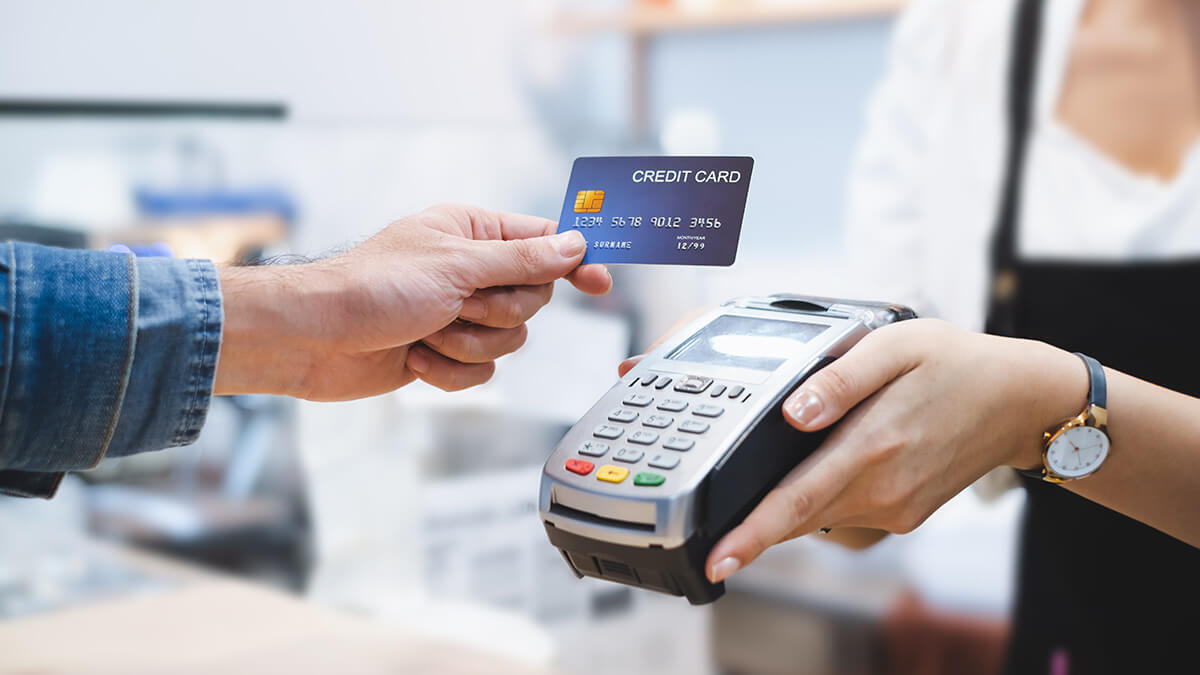
Different types of credit card payment methods include traditional swipe transactions, chip-enabled payments, contactless payments, and online transactions. Depending on the nature of the business, integrating multiple payment options can enhance customer convenience and improve the overall shopping experience. With the right setup, businesses can streamline operations, boost customer satisfaction, and pave the way for long-term success.
Why every business should accept credit cards
In today’s digital age, credit card payments are no longer a luxury but a necessity. A significant portion of consumers prefers electronic payments, making it essential for businesses to accept credit cards to remain competitive. By offering credit card payments, businesses can attract more customers, increase sales, and encourage higher-value purchases.
Credit card payments provide flexibility for customers, allowing them to make purchases without worrying about cash availability. This convenience often leads to impulse purchases and repeat business. Additionally, credit card transactions can improve cash flow since payments are processed quickly, reducing the waiting period associated with other payment methods like checks or bank transfers.
Another advantage of accepting credit cards is enhanced security. Cash transactions carry a higher risk of theft and mismanagement, whereas electronic payments offer built-in security features like encryption and fraud protection. Many modern payment systems come with advanced fraud detection tools that help businesses minimize chargebacks and unauthorized transactions.
How credit card processing works
Credit card processing involves multiple steps that take place within seconds. When a customer swipes, taps, or enters their card details, the transaction process begins. The information is sent to a payment gateway, which encrypts and securely transmits it to a payment processor. The processor then communicates with the customer’s bank to check available funds and either approve or decline the transaction. Once approved, funds are authorized and transferred to the merchant’s account.
This process ensures secure transactions while providing a seamless experience for both businesses and customers. Behind the scenes, multiple layers of security protocols work to protect sensitive financial data and prevent fraudulent activities. For businesses, investing in a trustworthy payment processor with robust security measures is crucial to maintaining customer trust and safeguarding transactions.
Setting up credit card payments for your business
Implementing credit card payments may seem complex, but following a structured approach simplifies the process. The first step is choosing a reliable payment processor that aligns with your business needs. Factors to consider include transaction fees, security features, ease of integration, and customer support.
Once a payment processor is selected, businesses need to integrate the payment system with their existing operations. For e-commerce stores, this means linking the payment gateway to their website’s checkout system. For physical stores, investing in a point-of-sale (POS) system that supports credit card transactions is essential. Modern POS systems often come with features like inventory tracking, sales reporting, and customer management, making them valuable tools beyond payment processing.
Before launching the payment system, thorough testing is necessary to ensure smooth transactions. Businesses should conduct trial runs to detect any issues that could disrupt payments or affect customer experience. Additionally, training staff on how to handle credit card payments, troubleshoot common issues, and ensure security compliance is essential for seamless operations.
Choosing the right payment gateway
Selecting a payment gateway is a critical decision that directly impacts transaction security and efficiency. Payment gateways act as intermediaries between businesses and financial institutions, ensuring secure data transmission and processing. When evaluating payment gateways, businesses should consider factors such as ease of integration, compatibility with existing systems, transaction speed, and fraud prevention features.
Many payment gateways offer additional services like multi-currency support, recurring billing options, and real-time transaction tracking. These features are particularly beneficial for businesses operating online or serving an international customer base. Prioritizing a gateway with robust security measures, including encryption and tokenization, helps protect customer data and build trust.
Enhancing customer experience with seamless payments
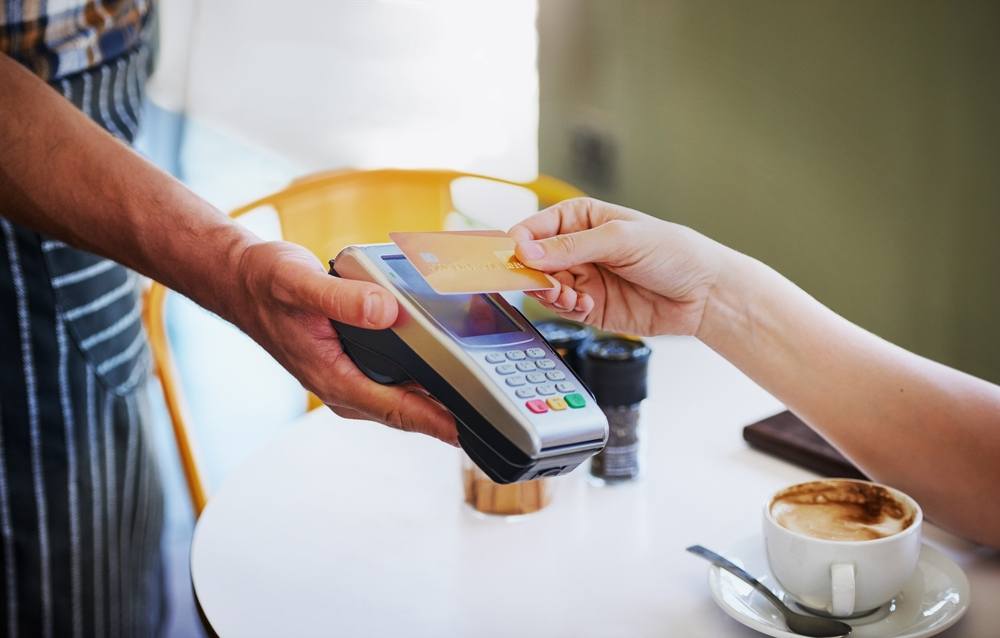
A well-integrated credit card payment system enhances customer experience by offering a fast and convenient checkout process. Whether in-store or online, reducing payment friction encourages repeat business and fosters customer loyalty. Businesses can further improve the payment experience by offering digital receipts, loyalty rewards, and contactless payment options.
As technology evolves, mobile payments and digital wallets like Apple Pay, Google Pay, and PayPal are becoming increasingly popular. Providing multiple payment options caters to customer preferences and ensures a competitive edge in the market. Additionally, businesses should stay updated on emerging payment technologies to adapt to changing consumer trends and maintain seamless transaction experiences.
How credit card payments drive sales and customer satisfaction
Providing customers with convenient and flexible payment options significantly boosts sales. When shoppers have access to credit card payments, they are more likely to complete transactions, make larger purchases, and return for future business.
A smooth checkout experience reduces friction, increasing conversion rates, especially for online businesses. Customers appreciate secure and quick transactions, making them more inclined to shop with businesses that accept their preferred payment methods. Additionally, businesses that offer multiple payment options tend to build stronger relationships with their customers, improving brand loyalty and retention.
Enhancing cash flow and financial stability
Efficient cash flow management is essential for business success. Credit card payments ensure that funds are processed quickly, providing businesses with immediate access to revenue. Unlike traditional payment methods, which may take days to clear, credit card transactions are processed almost instantly. This allows businesses to allocate resources more effectively, plan future investments, and cover operational expenses without delays.
For small businesses, in particular, liquidity is vital. Credit card payments help prevent cash flow gaps, ensuring businesses can meet payroll, pay suppliers, and manage unexpected expenses. This financial stability creates a foundation for sustainable growth and expansion.
The costs of accepting credit card payments
While accepting credit cards offers numerous benefits, businesses must be mindful of the associated costs. Transaction fees, service charges, and hidden expenses can impact profit margins. However, with proper planning and strategic selection of payment processors, businesses can minimize these costs while maximizing benefits.
Understanding transaction fees and pricing structures
Credit card transactions come with processing fees, which typically include a percentage of the transaction amount plus a fixed fee. These charges vary depending on the type of card used, the payment processor, and the volume of transactions.
Some processors offer tiered pricing models, while others have flat-rate or interchange-plus pricing. Businesses must evaluate different pricing structures to determine the most cost-effective option based on their transaction volume and average sale value.
Identifying and minimizing hidden costs
Beyond transaction fees, businesses should be aware of additional costs such as chargeback fees, monthly service fees, equipment rental fees, and compliance costs. Chargebacks, in particular, can be costly if not managed properly. By implementing fraud prevention measures and having a clear refund policy, businesses can reduce chargeback incidents.
Negotiating terms with payment providers, regularly reviewing service agreements, and opting for cost-effective processing solutions can help minimize unnecessary expenses. Keeping an eye on fees ensures businesses maintain profitability while offering seamless payment experiences to customers.
Ensuring security in credit card transactions
As digital transactions increase, so do cybersecurity threats. Businesses must prioritize payment security to protect customer information and prevent fraud. Implementing robust security measures not only safeguards sensitive data but also builds trust with customers, encouraging repeat business.
Strengthening security with encryption and fraud prevention tools
Secure payment gateways use encryption and tokenization to protect cardholder data. Encryption ensures that sensitive information is transmitted safely, while tokenization replaces card details with unique tokens, reducing the risk of data breaches.
Additionally, businesses should utilize fraud detection tools, such as address verification systems (AVS) and two-factor authentication, to prevent unauthorized transactions. Regular security updates and monitoring further enhance protection against cyber threats.
Compliance with industry security standards
The Payment Card Industry Data Security Standard (PCI DSS) is a set of security regulations designed to protect cardholder data. Businesses that process credit card payments must comply with these standards to ensure secure transactions.
Failure to meet PCI DSS requirements can result in financial penalties and reputational damage. Staying compliant not only protects businesses from legal risks but also reassures customers that their payment information is handled with care.
Building business credibility and expanding customer reach
Accepting credit card payments enhances a business’s credibility and market appeal. Customers tend to trust businesses that offer reliable and secure payment options. This is particularly important for e-commerce and service-based businesses, where trust is a key factor in purchasing decisions.
Moreover, credit card payments open doors to global customers. Online businesses can attract international buyers by accepting major credit cards, allowing them to expand their reach and increase revenue. With digital wallets and mobile payments becoming more common, businesses that support diverse payment methods remain competitive in a rapidly evolving marketplace.
Overcoming challenges in credit card acceptance
Accepting credit card payments can significantly benefit businesses by increasing sales and improving customer convenience. However, it also presents challenges that must be effectively managed. Businesses need to be prepared for issues such as chargebacks, fraud risks, and regulatory compliance to ensure smooth and secure transactions. Addressing these challenges proactively can help businesses maintain profitability while enhancing customer trust.
Handling chargebacks and customer disputes
Chargebacks can be a frustrating challenge for businesses that accept credit cards. These occur when customers dispute a transaction, often leading to the reversal of the payment. While chargebacks are meant to protect consumers, they can be costly for businesses due to fees, lost revenue, and potential damage to their reputation.
To minimize chargebacks, businesses should implement clear return and refund policies, ensuring that customers understand the terms before purchasing. Additionally, providing detailed transaction records and maintaining open communication with customers can help prevent disputes. Promptly addressing complaints and offering efficient customer service can also contribute to reducing chargeback occurrences.
Reducing fraud risks in transactions
Fraud is an ever-present threat in credit card transactions, and businesses must be vigilant to prevent unauthorized activities. Cybercriminals continuously develop new techniques to exploit weaknesses in payment systems, making it crucial for businesses to stay ahead with advanced security measures.
Implementing tools like address verification services (AVS), card verification values (CVV), and multi-factor authentication can significantly lower the risk of fraudulent transactions. Additionally, monitoring transactions for unusual activity and training employees to recognize signs of fraud can further safeguard businesses. Partnering with reputable payment processors that offer fraud detection and prevention services can also be beneficial in maintaining secure transactions.
Evolving trends in credit card payment technologies
The landscape of credit card payments is rapidly changing, with new technologies shaping the way businesses process transactions. Staying informed about emerging payment trends can help businesses remain competitive and cater to evolving consumer preferences.
The rise of contactless and mobile payments
In recent years, contactless and mobile payments have gained widespread popularity, offering consumers a fast and secure way to complete transactions. These payment methods are especially appealing in a world that increasingly prioritizes hygiene and convenience.
For businesses, integrating contactless payment options such as NFC-enabled credit cards and mobile wallets like Apple Pay and Google Pay can enhance the customer experience. These technologies not only speed up the checkout process but also provide a safer and more seamless transaction experience, attracting tech-savvy customers who appreciate efficiency.
Enhancing payment security with innovative solutions
As digital transactions continue to grow, businesses must also focus on improving payment security. Emerging innovations, such as biometric authentication and blockchain-based payments, are revolutionizing the industry by offering higher levels of security and fraud prevention.
Biometric authentication, including fingerprint and facial recognition, adds an extra layer of protection, reducing the risk of unauthorized access. Blockchain technology, on the other hand, provides a decentralized and tamper-proof ledger, making transactions more transparent and secure. Businesses that invest in these advanced security measures can instill confidence in customers, leading to increased loyalty and trust.
Understanding customer preferences in payment methods
Customer expectations are constantly evolving, and businesses must adapt to meet their payment preferences. While credit cards remain a dominant payment method, consumers also demand convenience, speed, and security when making transactions.
Meeting consumer expectations for seamless transactions
Customers value businesses that provide flexible payment options, ensuring they can choose the method that best suits their needs. Alongside traditional credit card payments, many consumers now expect businesses to support mobile wallets, QR code payments, and buy-now-pay-later (BNPL) services. By offering a variety of payment methods, businesses can appeal to a broader audience and enhance the shopping experience.
A smooth and hassle-free payment process is also crucial for customer satisfaction. Complicated or time-consuming checkout procedures can frustrate customers, potentially leading to cart abandonment in online shopping. Businesses should optimize their payment systems to ensure transactions are quick, reliable, and secure.
Legal and regulatory considerations in payment processing
Understanding and complying with legal requirements related to credit card payments is essential for businesses to avoid potential penalties and protect customer information. Regulations are continuously evolving, especially with the rise of digital transactions, making it crucial for businesses to stay informed and compliant.
Adapting to regulatory changes and compliance requirements
Businesses must adhere to various payment regulations, such as the Payment Card Industry Data Security Standard (PCI DSS), which ensures secure handling of cardholder data. Non-compliance with these regulations can lead to hefty fines and reputational damage.
Keeping up with regulatory changes, such as enhanced data protection laws, is also vital. Consulting with legal experts and partnering with payment providers that offer built-in compliance features can help businesses navigate the complexities of payment regulations seamlessly. By prioritizing security and compliance, businesses can build trust with customers and safeguard their financial operations.

Best practices for a smooth credit card acceptance experience
Ensuring a seamless credit card payment process benefits both businesses and customers. By implementing key strategies, businesses can create a secure, efficient, and customer-friendly payment system that enhances trust and satisfaction.
Training staff for efficient payment handling
One of the most critical aspects of smooth credit card processing is training employees on proper payment handling procedures. Employees should be well-versed in processing transactions, recognizing potential fraud, and addressing customer concerns confidently. Regular training sessions keep staff informed about the latest payment technologies, security updates, and troubleshooting techniques.
Encouraging employees to practice different payment scenarios can help them gain confidence in handling unusual situations, such as declined transactions or disputed charges. Ensuring they are familiar with different types of payment methods, including contactless payments and mobile wallets, can further enhance the customer experience.
Keeping payment systems up to date
Outdated payment terminals or software can lead to processing delays, security vulnerabilities, and customer dissatisfaction. Businesses should regularly update their payment systems to stay compatible with evolving technology and security standards.
Upgrading to EMV chip-enabled terminals, implementing contactless payment options, and ensuring secure encryption protocols are essential for minimizing risks and ensuring seamless transactions. Additionally, integrating a reliable point-of-sale (POS) system that supports multiple payment methods can improve efficiency.
Reviewing and optimizing payment processes
Regular evaluation of payment processes helps businesses identify inefficiencies and security risks. Analyzing transaction data can provide insights into customer payment preferences and highlight any recurring issues.
Performing routine audits of security measures ensures compliance with industry standards and helps detect potential fraud attempts. Additionally, businesses should assess processing fees and explore opportunities to reduce costs by negotiating with payment processors or adopting alternative solutions.
Enhancing customer communication and transparency
Clear communication with customers about payment policies and security measures can help build trust and prevent misunderstandings. Displaying signage about accepted payment methods and any potential fees ensures customers are well-informed before making a transaction.
Providing digital receipts and offering customer support for payment-related inquiries can further enhance transparency and satisfaction. Businesses should also establish a straightforward refund and dispute resolution policy to address concerns efficiently.
Ensuring compliance with security standards
Protecting customer payment information is a top priority for businesses that accept credit cards. Implementing PCI DSS (Payment Card Industry Data Security Standard) compliance ensures that sensitive payment data is handled securely.
Using tokenization and encryption techniques reduces the risk of data breaches, and regularly updating fraud detection tools helps prevent unauthorized transactions. Businesses should also educate employees on identifying and reporting suspicious activities to mitigate security threats.
Adopting contactless and mobile payment options
With the growing popularity of digital wallets and contactless payments, businesses should adapt to changing customer preferences. Offering payment options such as Apple Pay, Google Pay, and NFC-enabled cards can speed up transactions and enhance convenience for customers.
By embracing modern payment technologies, businesses can provide a seamless and future-ready transaction experience while improving customer satisfaction.
FAQs
Why should my business accept credit card payments?
By accepting credit cards, businesses offer a convenient payment option to customers, leading to increased sales and improved cash flow. The streamlined payment processes facilitate faster transactions, allowing companies to receive payments promptly.
What are the main costs associated with credit card processing?
Typical costs include transaction fees, service charges, and potential hidden fees like chargeback costs and equipment rental fees.
How can I make credit card transactions more secure?
Implementing encryption, tokenisation, and staying PCI DSS compliant can significantly enhance the security of credit card transactions.
What is the difference between a payment gateway and a payment processor?
A payment gateway authorises transactions and encrypts data, while a payment processor handles the transaction between the bank and the business.
What are contactless payments, and why are they famous?
Contactless payments allow customers to complete transactions by tapping their card or mobile device, offering a faster, more hygienic way to pay.