

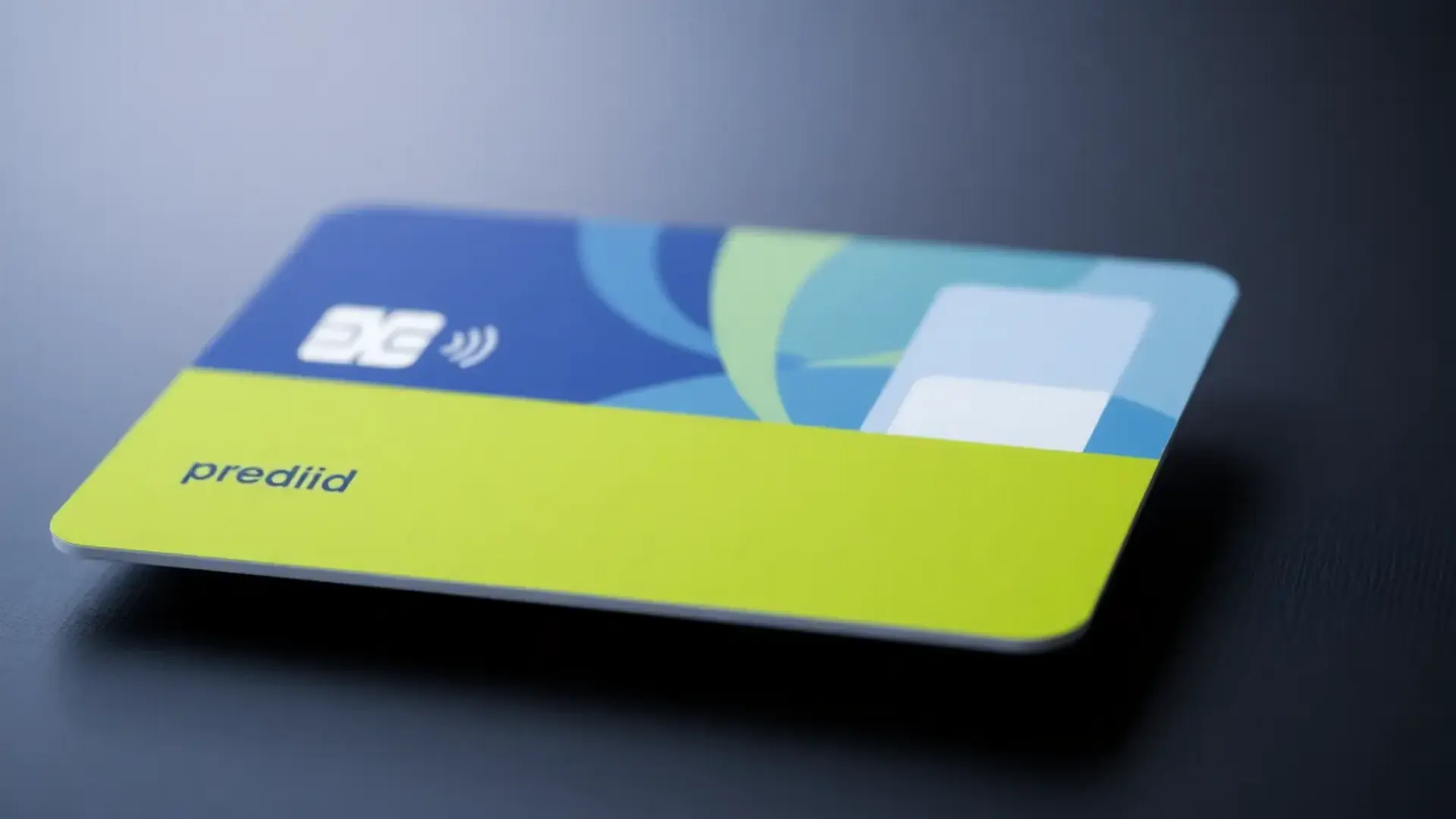
How can prepaid cards transform your financial management?
Prepaid cards are becoming an increasingly popular financial tool, with millions of people using them to manage their money efficiently. These cards offer a simple and secure way to handle transactions without requiring a traditional bank account. Whether for budgeting, shopping, travel, or gifting, prepaid cards provide numerous benefits that make them a convenient alternative to debit and credit cards. With features such as spending control, fraud protection, and cashback rewards, they can significantly improve financial management.
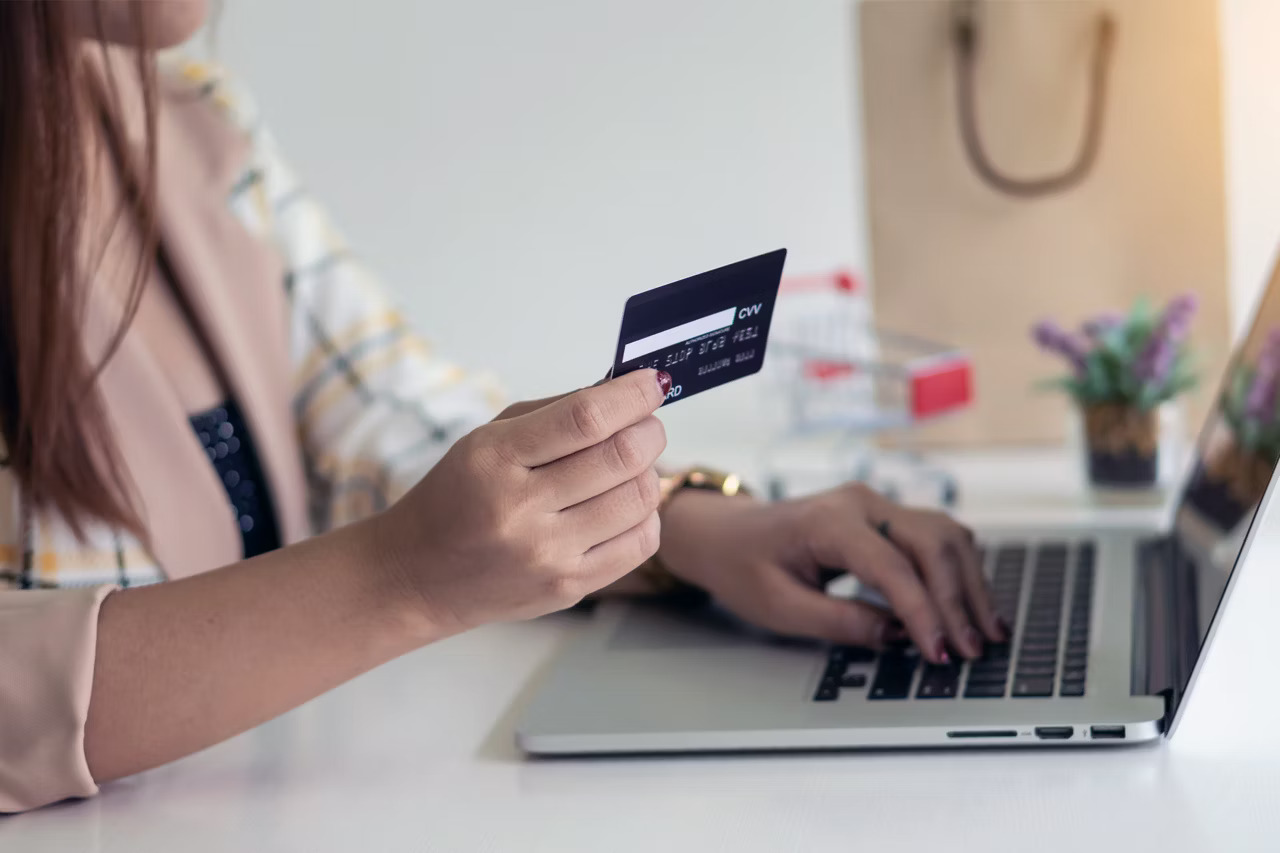
What are prepaid cards?
Prepaid cards function similarly to debit and credit cards but with key differences. Instead of being linked to a bank account or offering a credit line, these cards require users to load money onto them before making transactions. This ensures that spending remains within the available balance, helping individuals avoid debt and overspending.
These cards are widely accepted at both online and physical stores, making them a flexible payment option. They are particularly beneficial for those looking for an alternative to traditional banking, individuals with poor credit history, or anyone who prefers a controlled spending approach.
The benefits of prepaid cards
Accessibility for all
One of the most significant advantages of prepaid cards is their accessibility. Unlike credit cards that require a credit check or a bank account, prepaid cards are available to almost anyone. This makes them an excellent choice for individuals who are unbanked or have a limited credit history.
Obtaining a prepaid card is simple, as they are available online or at retail locations with minimal paperwork. This ease of access ensures that more people can participate in cashless transactions and manage their finances effectively.
Smart budgeting and spending control
Prepaid cards are a great way to enforce budgeting and control expenses. Since users can only spend the amount loaded onto the card, there is no risk of overdrafts or accumulating debt. This makes them ideal for individuals trying to stick to a strict budget, parents managing family expenses, or anyone aiming to develop better financial habits.
Additionally, many prepaid cards offer built-in budgeting tools that help users track their spending. Some providers offer mobile apps that allow real-time expense monitoring, making financial planning even easier.
Enhanced security features
Carrying large amounts of cash poses security risks, but prepaid cards offer a safer alternative. These cards come with robust security features such as:
- PIN protection to prevent unauthorized access
- Fraud alerts that notify users of suspicious transactions
- Freeze and replacement options if the card is lost or stolen
Because prepaid cards are not linked to a bank account, they provide additional protection against identity theft. Even if stolen, the thief cannot access personal banking information or additional funds beyond the card’s balance.
Convenience for everyday transactions
Prepaid cards offer unmatched convenience in various aspects of daily life. They can be used for:
- Shopping online and in stores
- Paying bills
- Booking travel tickets and hotels
- Managing subscriptions and recurring payments
Reloading a prepaid card is also simple, as funds can be added via bank transfers, direct deposits, or cash at participating retailers. This flexibility makes prepaid cards an excellent financial tool for anyone looking for a hassle-free payment method.
Rewards, cashback, and discounts
Many prepaid card providers offer attractive perks such as cashback on purchases and discounts at specific retailers. These rewards can add value to everyday spending by allowing users to earn money back or enjoy savings on frequently purchased items. Over time, these small savings can accumulate, making prepaid cards an excellent choice for smart shoppers.
Ideal for travel
Prepaid cards are particularly beneficial for travelers. They eliminate the need to carry large amounts of cash and often provide better exchange rates compared to traditional currency exchange services. Many travel-focused prepaid cards offer features such as:
- No or low foreign transaction fees
- Acceptance at most international locations
- Emergency card replacement services
In case of loss or theft while traveling, users can freeze the card instantly, preventing unauthorized access and ensuring a worry-free travel experience.
No overdraft or hidden fees
Unlike traditional bank accounts, prepaid cards do not allow overdrafts, meaning there are no surprise fees or penalties. This feature makes them particularly appealing to those who want to avoid unnecessary charges. Users can only spend what they load onto the card, promoting responsible financial management and eliminating the stress of unexpected overdraft fees.
A practical gift option
Prepaid cards make an excellent gift for special occasions such as birthdays, holidays, or graduations. Unlike store-specific gift cards, prepaid cards can be used anywhere major debit and credit cards are accepted, giving recipients the flexibility to choose their purchases.
They also serve as a thoughtful way to help loved ones manage their expenses or save for something meaningful. Whether for a teenager learning financial responsibility or a friend in need of temporary financial support, prepaid cards offer a practical and versatile gifting solution.
Expense tracking and financial planning
Many prepaid card providers offer digital tools that allow users to monitor their spending patterns. Through mobile apps or online dashboards, users can:
- Track transactions in real time
- Set spending limits
- Analyze financial habits to improve money management
This transparency helps individuals stay in control of their finances and work towards specific savings goals.

Who should consider using a prepaid card?
Prepaid cards can be a valuable financial tool for many individuals, offering convenience, security, and better spending control. Unlike traditional credit and debit cards, prepaid cards require users to load funds in advance, making them an excellent option for those who want to manage their money effectively without the risk of overspending. Below are some groups of people who may find prepaid cards particularly beneficial.
Young adults and students developing financial responsibility
For young adults and students, learning how to manage money responsibly is crucial. A prepaid card allows them to track their expenses, budget effectively, and avoid accumulating debt. Since prepaid cards do not allow overdrafts, students can develop healthy financial habits without worrying about interest charges or penalties. Parents can also load a set amount of money onto the card, ensuring their children have access to funds while maintaining control over spending.
Frequent travelers seeking secure payment options
Prepaid cards are a great choice for travelers, especially those going abroad. Many prepaid travel cards allow users to load multiple currencies, helping them avoid unfavorable exchange rates and high foreign transaction fees. Additionally, since prepaid cards are not directly linked to a bank account, they offer an extra layer of security in case of theft or loss. Some prepaid cards even come with travel benefits such as emergency cash replacement, fraud protection, and ATM access worldwide.
Individuals with no credit history or poor credit scores
For those who have difficulty qualifying for traditional credit cards due to a lack of credit history or poor credit scores, prepaid cards offer a viable alternative. While they do not help build credit, they provide a way to make online purchases, book travel accommodations, and manage daily expenses without relying on cash. Additionally, prepaid cards can serve as a stepping stone to responsible financial management before transitioning to a traditional credit card.
Parents teaching children about money management
Prepaid cards can be an excellent tool for parents who want to introduce their children to financial responsibility. By giving kids a prepaid card with a set amount of money, parents can teach them how to budget, save, and make mindful spending decisions. Some prepaid cards designed for teenagers come with parental controls, allowing guardians to monitor transactions, set spending limits, and even restrict certain purchases.
Individuals looking for a reliable budgeting tool
Anyone who wants to control their spending and avoid accumulating debt can benefit from using a prepaid card. Unlike credit cards, which can encourage impulse spending, prepaid cards limit purchases to the amount preloaded onto the card. This makes them an excellent option for budgeting, as users can allocate funds for specific expenses such as groceries, entertainment, or dining out. Many prepaid cards also offer expense-tracking features through mobile apps, helping users monitor their spending habits in real-time.
People who want a safer alternative to cash
For individuals who prefer not to carry large amounts of cash, prepaid cards provide a safer alternative. They can be used for everyday purchases, bill payments, and online shopping without exposing bank account details. In the event of loss or theft, most prepaid cards can be locked or replaced, reducing the risk of financial loss.
Employees receiving wages or benefits
Some employers and government agencies use prepaid cards to distribute wages or benefits to employees and recipients who may not have traditional bank accounts. These payroll and benefits prepaid cards function similarly to direct deposit accounts, allowing users to access their funds easily without needing a bank account.
How to maximize the advantages of prepaid cards
Prepaid cards offer a convenient and secure way to manage your finances, but to make the most of them, it’s essential to use them strategically. From selecting the right card to optimizing rewards and tracking expenses, there are several ways to enhance their benefits. By following smart financial habits, you can ensure that your prepaid card works in your favor.
Choose a card that fits your needs
Not all prepaid cards are created equal, so it’s important to choose one that aligns with your lifestyle and spending habits. Consider factors such as fees, cashback offers, and rewards programs. Some cards are better suited for everyday purchases, while others offer benefits for travel or online shopping. Research different options, compare features, and select a card that maximizes your financial potential.
Monitor your expenses carefully
One of the biggest advantages of prepaid cards is that they help you stay within your budget. Most prepaid cards come with mobile apps or online banking platforms that allow you to track your spending in real time. By regularly reviewing your transactions, you can identify patterns, cut unnecessary expenses, and allocate your money more effectively.
Take full advantage of rewards
Many prepaid cards offer cashback, discounts, or reward points for specific purchases. To maximize these benefits, use your card strategically. For instance, if your card provides cashback on groceries, fuel, or dining, prioritize using it for those categories. This way, you not only manage your expenses but also get rewarded for spending wisely.
Use prepaid cards for dedicated expenses
A great way to maintain financial discipline is by using prepaid cards for specific expenses. You can load a certain amount onto the card for travel, dining, shopping, or even household bills. This method ensures that you stick to a budget and prevents overspending. Additionally, parents can give prepaid cards to their children as an allowance, teaching them financial responsibility.

Getting started with prepaid cards and unlocking their full benefits
If you’re new to prepaid cards, the key to maximizing their potential is understanding how to use them efficiently. Here are a few steps to get started and make the most of these financial tools.
Research and compare different options
Before choosing a prepaid card, take the time to compare different providers. Look into factors such as:
- Monthly or transaction fees
- Reloading methods (bank transfer, cash, or direct deposit)
- Cashback and rewards programs
- Security features such as fraud protection
Checking customer reviews can also provide valuable insights into the reliability of a card provider.
Look out for special deals and promotions
Many prepaid card issuers offer promotional deals, such as sign-up bonuses, discounts, or limited-time cashback offers. These promotions can give you a head start in maximizing your savings. Make sure to check for ongoing deals when applying for a card and take full advantage of them.
Understand the terms and conditions
Every prepaid card comes with specific terms and conditions regarding usage limits, fees, and restrictions. Familiarizing yourself with these details will help you avoid unexpected charges and ensure you’re using your card effectively. Some cards may have inactivity fees or charges for withdrawals, so it’s always best to be informed beforehand.
Load your card and start using it wisely
Once you’ve chosen the right prepaid card, load it with a sufficient balance and start using it for your everyday transactions. Initially, you can begin with small purchases to get familiar with how the card functions. As you gain confidence, you can use it for larger expenses or take advantage of travel benefits, online subscriptions, or bill payments.
Additional ways to enhance prepaid card usage
Use prepaid cards for safe online shopping
Since prepaid cards are not linked to your bank account, they offer an added layer of security when making online purchases. If a fraudulent transaction occurs, your main bank account remains unaffected. This makes them an excellent option for online shopping, streaming services, and digital subscriptions.
Set up automatic reload options
Some prepaid cards allow automatic reloading from your bank account or paycheck. Setting up auto-reload ensures that your card always has a sufficient balance, helping you avoid service disruptions or missed payments.
Keep an eye on expiration dates
Unlike traditional debit or credit cards, some prepaid cards have expiration dates or require periodic renewals. Stay informed about the expiration policy to avoid losing your remaining balance or facing unnecessary fees.
FAQs
What is a prepaid card, and how does it differ from debit and credit cards?
A prepaid card is loaded with a set amount of money before use, allowing spending up to the balance. It differs from a debit card, linked to a bank account, and a credit card, which provides a credit line. Prepaid cards aren’t connected to any bank account or credit, making them accessible to more users.
How can prepaid cards help with budgeting and spending control?
Prepaid cards limit spending to the preloaded amount, helping users budget more effectively and avoid overspending. Many also provide online tools or apps for tracking expenses, offering clear insights into financial habits and spending patterns.
Are prepaid cards secure to use?
Yes, prepaid cards have security features like PIN protection and the ability to freeze the card if lost or stolen. Because they aren’t linked to a bank account, the risk of unauthorised access to your financial information is reduced.
Do prepaid cards offer rewards or cashback incentives?
Some prepaid cards offer rewards or cashback on eligible purchases, such as earning points redeemable for merchandise or direct cashback. The availability and details of these rewards vary by issuer, so it is essential to review the terms.
Can prepaid cards be used internationally, and are there any fees involved?
Many prepaid cards, especially those from major networks like Visa or Mastercard, can be used internationally. However, foreign transaction fees and exchange rate variations may apply. Before travelling, it’s best to check with the card issuer about international usage policies and associated fees.