


How are card payment apps transforming business transactions?
In today’s fast-paced digital world, businesses must adapt to new payment technologies to meet customer expectations. The rise of cashless transactions has made card payment apps a necessity for businesses of all sizes. These apps have changed the way payments are processed, offering speed, security, and convenience. Whether you run a small market stall, a retail store, or an online business, a reliable card payment app can streamline transactions and enhance the customer experience. This article explores what these apps are, their benefits, key features, and the future of digital payments.
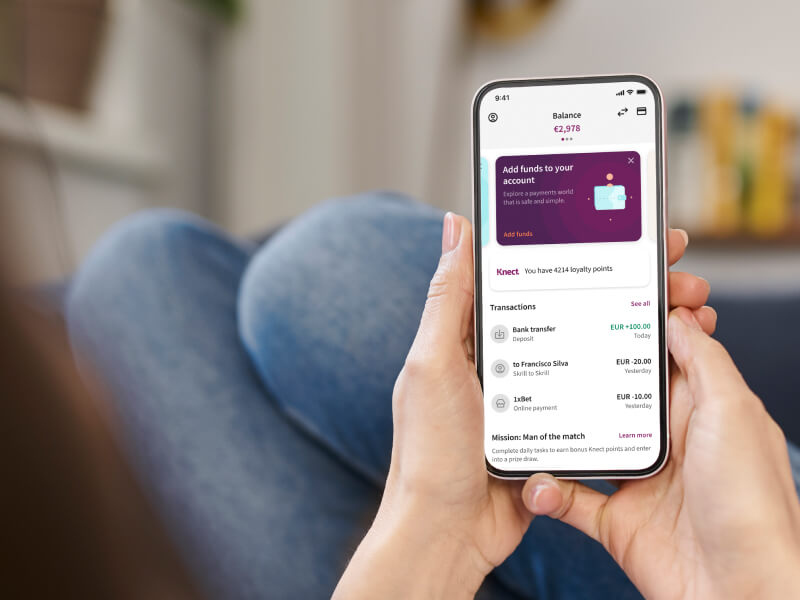
Understanding card payment apps
A card payment app is a mobile-based system that allows businesses to accept credit and debit card payments using a smartphone or tablet. Unlike traditional point-of-sale (POS) systems, which require bulky hardware, these apps offer a flexible, portable solution. They enable transactions through card readers or near-field communication (NFC) technology, making payments seamless in physical stores, pop-up markets, or during on-the-go services.
Most modern card payment apps support various payment methods, including chip and PIN, contactless payments, and digital wallets like Apple Pay and Google Pay. These apps simplify transactions and provide businesses with valuable tools to track sales, manage inventory, and even integrate with accounting software.
Benefits of using a card payment app
Businesses that adopt card payment apps gain numerous advantages, making their operations more efficient and customer-friendly.
Convenience and accessibility
One of the biggest advantages is the ease of accepting payments anywhere. Whether in a store, at a festival, or delivering services, businesses can process transactions effortlessly without traditional POS systems. This mobility is particularly beneficial for freelancers, food trucks, and service-based professionals.
Faster transactions and improved cash flow
Speed is crucial in customer interactions. Card payment apps process transactions in seconds, reducing wait times and improving customer satisfaction. Many apps also offer quick settlements, ensuring funds are deposited into business accounts within a day or two, improving cash flow.
Enhanced security measures
Security is a top concern for both businesses and customers. Modern card payment apps use encryption, tokenization, and secure authentication to protect financial data. Compliance with the Payment Card Industry Data Security Standard (PCI DSS) ensures that transactions meet strict security requirements, reducing fraud risks.
Cost-effective solutions
Traditional POS systems can be expensive due to hardware, installation, and maintenance costs. Card payment apps eliminate the need for bulky equipment, often operating with lower transaction fees. Many providers offer flexible pricing models, allowing businesses to choose between flat-rate or percentage-based fees depending on their sales volume.
Integration with business tools
A significant benefit of card payment apps is their ability to integrate with existing business systems. Many apps sync with POS software, inventory management tools, and accounting platforms. This connectivity streamlines operations, reduces manual data entry, and improves financial accuracy.
Key features of card payment apps
Not all card payment apps are created equal. Businesses should consider key features when selecting the best app for their needs.
User-friendly interface
A well-designed app ensures that businesses can quickly set up and process payments without requiring technical expertise. Intuitive dashboards, easy navigation, and responsive customer support make the experience seamless.
Flexible payment options
Customers expect multiple payment methods, from credit and debit cards to digital wallets and contactless payments. The best card payment apps support various options, ensuring that businesses don’t miss out on potential sales.
Transparent transaction fees
Understanding transaction costs is crucial for businesses. Some apps charge flat fees per transaction, while others use a percentage-based model. Business owners should compare pricing structures to find the most cost-effective option for their operations.
Real-time reporting and analytics
Access to real-time sales data helps businesses track performance and make informed decisions. Many apps provide detailed reports on sales trends, customer preferences, and peak transaction times, allowing businesses to optimize their operations.
Offline payment capability
Some advanced card payment apps allow offline transactions, ensuring businesses can continue processing payments even without an internet connection. The transactions are completed once the device reconnects to the network, preventing lost sales.
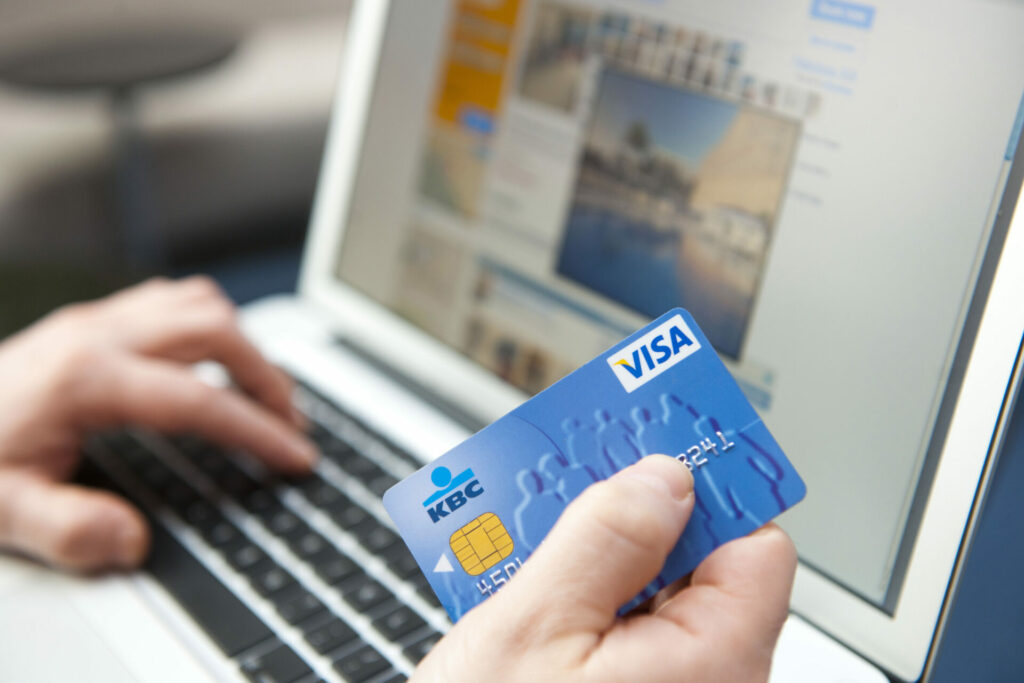
The future of card payment apps
As technology continues to evolve, the future of card payment apps looks promising. Several trends are shaping the industry, making digital transactions even more efficient and secure.
AI and machine learning integration
Artificial intelligence (AI) is playing a growing role in financial technology. AI-powered analytics can help businesses predict customer behavior, detect fraudulent activities, and personalize payment experiences. Machine learning algorithms also improve security by identifying unusual transaction patterns and preventing unauthorized payments.
Blockchain and cryptocurrency payments
With the rise of digital currencies, many businesses are exploring cryptocurrency payment options. Some card payment apps are integrating blockchain technology to offer secure, decentralized transactions. This innovation could expand payment options and provide new revenue opportunities.
Biometric authentication
Security advancements are leading to biometric authentication, such as fingerprint scanning and facial recognition, for payments. This technology enhances security while providing a seamless customer experience, reducing the reliance on PINs and passwords.
Increased adoption of contactless payments
The demand for contactless payments continues to rise, especially post-pandemic. Businesses that embrace contactless payment solutions benefit from faster transactions and enhanced customer trust. Future card payment apps will likely focus on improving NFC technology and enabling touch-free interactions.
How to choose the right card payment app for your business
Selecting the best card payment app for your business is a crucial decision that can affect your sales, customer experience, and overall efficiency. With numerous options available, it’s essential to consider several factors to ensure you make the right choice.
Understand your business needs
The type and size of your business play a significant role in determining the ideal card payment app. A small retail shop or food truck may benefit from an easy-to-use and low-cost option, while a larger enterprise handling high transaction volumes might require a feature-rich solution. If your business operates online, you may need an app that integrates seamlessly with e-commerce platforms.
Consider whether you need additional features such as invoicing, multi-user access, or integration with your existing accounting software. Some apps cater specifically to mobile businesses, while others are better suited for brick-and-mortar stores.
Compare transaction costs and fee structures
Transaction fees are one of the most critical aspects of choosing a payment app. Different providers charge varying rates, which can significantly impact your profitability. Some charge a flat rate per transaction, while others apply percentage-based fees that may be more economical for businesses with smaller transactions.
In addition to transaction costs, check for hidden fees, such as monthly subscriptions, setup fees, or withdrawal charges. Understanding these costs upfront can help you select an app that aligns with your budget and financial goals.
Prioritize security and reliability
Security is paramount when dealing with customer payments. Choose an app that complies with PCI DSS (Payment Card Industry Data Security Standard) to protect sensitive data. Look for features like encryption, tokenization, and fraud prevention tools to ensure secure transactions.
Additionally, research the app’s reliability by reading reviews and checking user feedback. A trustworthy provider will have a strong reputation for uptime, minimal transaction failures, and robust security measures.
Assess customer support options
Technical issues and payment disputes can arise unexpectedly, so having access to responsive customer support is crucial. Some providers offer 24/7 support via phone, chat, or email, while others may have limited service hours.
Consider your business hours and ensure your chosen app provides adequate assistance when you need it most. Quick resolution of payment-related issues can prevent revenue loss and maintain customer trust.
Look at user reviews and industry recommendations
Before committing to a payment app, explore reviews from other businesses in your industry. User experiences can provide valuable insights into the app’s functionality, ease of use, and customer service quality. Look for recommendations from industry experts, comparison websites, or business forums.
An app with consistently positive reviews and high ratings is more likely to offer a reliable and efficient payment solution for your business.
How to use card payment apps effectively
Once you’ve selected a card payment app, setting it up and using it efficiently will help you maximize its benefits. These apps are designed to simplify the payment process and improve your business operations.
Setting up your account
After choosing an app, the first step is setting up an account. This process typically involves providing business details such as your company name, address, and bank account information. Some providers may require additional verification documents to comply with security regulations.
Ensure that your details are accurate to avoid delays in processing payments. Some apps may offer customization options, such as branding receipts with your business logo, which can enhance your professional image.
Installing the app and connecting hardware
Download the payment app on your smartphone, tablet, or point-of-sale (POS) system. Most apps are available for both iOS and Android devices. After installation, log in using your registered credentials.
Depending on the app, you may need a compatible card reader. Some readers connect via Bluetooth, while others plug into your device’s headphone jack or charging port. If the app supports NFC (near-field communication), you can accept contactless payments without additional hardware.
Processing payments and issuing receipts
Once your setup is complete, you can start accepting payments. The process is straightforward:
- Open the app and enter the transaction amount.
- Ask the customer to insert, tap, or swipe their card, or use a mobile wallet like Apple Pay or Google Pay.
- The app will process the transaction and confirm payment.
Most payment apps allow you to send digital receipts via email or SMS. Some also provide options for printing receipts if you have a compatible printer. Offering receipts enhances customer trust and helps with record-keeping.
Managing transactions and analyzing sales data
A significant advantage of card payment apps is their ability to track transactions in real time. You can monitor sales, review transaction histories, and generate reports directly from the app.
Use these insights to identify peak sales periods, track inventory, and analyze customer spending habits. Some apps offer advanced features like automated bookkeeping and tax calculations, which can simplify financial management for your business.
Handling refunds and chargebacks
Occasionally, customers may request refunds or dispute transactions. A good payment app should have an easy-to-use refund process that allows you to issue partial or full refunds seamlessly. Understanding the chargeback policies of your payment provider can help you handle disputes efficiently and avoid unnecessary losses.

Benefits of using a card payment app
The use of card payment apps has revolutionized the way businesses handle transactions. Beyond just offering convenience, these apps enhance customer experience, streamline financial management, and improve operational efficiency. Whether you run a small business, a retail store, or a mobile service, adopting a card payment app can significantly benefit your business in various ways.
Enhancing business convenience
One of the most significant advantages of card payment apps is their ease of use. Traditional POS systems often require expensive hardware and a complex setup. With a card payment app, businesses can accept payments using just a smartphone or tablet, eliminating the need for bulky equipment. This makes them particularly beneficial for small businesses, freelancers, and mobile vendors who need a flexible payment solution.
These apps also simplify payment processing, allowing businesses to reduce the time spent handling cash and issuing change. Transactions become seamless, improving both customer experience and business efficiency.
Boosting sales and customer satisfaction
Offering card payment options can directly impact sales by catering to a broader customer base. In today’s fast-paced digital world, many customers prefer to pay with their debit or credit cards rather than carrying cash. By accepting card payments, businesses can attract more customers, increasing revenue opportunities.
Moreover, the ability to accept contactless and mobile wallet payments further speeds up transactions. This efficiency leads to shorter queues, less waiting time, and an overall improved shopping experience. Customers are more likely to return to a business that offers quick and hassle-free transactions.
Mobility and flexibility for businesses on the go
For businesses that operate beyond a fixed location, such as food trucks, pop-up shops, event vendors, and service providers, mobile payment solutions are a game-changer. Card payment apps enable these businesses to process payments anytime and anywhere without being tied to a traditional checkout counter.
This flexibility ensures that no sales opportunities are missed, even in remote locations. It also allows businesses to expand their reach by selling at multiple locations or attending industry events without worrying about how they will accept payments.
Speeding up transactions
One of the key advantages of using a card payment app is the speed of transactions. Unlike cash payments, which involve counting money and providing change, card payments are processed within seconds. This not only improves customer experience but also enhances operational efficiency.
For businesses with high customer traffic, such as cafes and retail stores, faster transactions mean shorter wait times and better service flow. This can lead to increased customer turnover and higher sales throughout the day.
Gaining valuable business insights
Card payment apps come equipped with analytical tools that provide real-time data on sales, transaction history, and customer trends. These insights can be invaluable for businesses looking to make data-driven decisions.
By tracking sales patterns and customer preferences, businesses can optimize inventory management, improve marketing strategies, and adjust pricing models to maximize profits. Additionally, digital records of transactions simplify bookkeeping, making tax filing and financial reporting more efficient.
Challenges and considerations
While card payment apps offer numerous advantages, there are also some challenges that businesses must consider before adopting this technology.
Managing transaction fees
One of the potential downsides of using a card payment app is the transaction fee associated with each payment. These fees vary depending on the service provider and can impact businesses with small profit margins. It is essential to compare different payment apps and choose one that offers competitive rates without compromising on essential features.
Businesses must assess whether the increase in sales and efficiency outweighs the costs incurred from transaction fees. Some apps offer pricing plans with lower fees for high-volume transactions, which may be more suitable for larger businesses.
Dependence on internet connectivity
Most card payment apps require a stable internet connection to function properly. This can be a challenge for businesses operating in areas with poor network coverage. Interruptions in connectivity may lead to delayed transactions or failed payments, potentially affecting customer satisfaction.
To mitigate this risk, businesses can invest in mobile data plans or offline transaction capabilities available in some card payment apps. Having a backup payment option, such as cash or manual card processing, can also be a practical solution.
Ensuring security and fraud prevention
Security is a critical concern when handling digital transactions. While card payment apps employ advanced encryption and fraud prevention measures, businesses must remain vigilant against potential data breaches and cyber threats.
Using PCI-compliant payment apps, regularly updating software, and training employees on security best practices are essential steps in safeguarding sensitive customer information. Implementing two-factor authentication and transaction verification can also add an extra layer of protection.
Building customer trust in digital payments
Not all customers may feel comfortable using card payment apps, especially those unfamiliar with digital transactions. Concerns about security and reliability can prevent some customers from adopting this payment method.
Businesses should educate customers on the security features of card payment apps and provide alternative payment options to accommodate varying preferences. Clear communication and transparency about payment security can help build trust and encourage more customers to use digital payment methods.
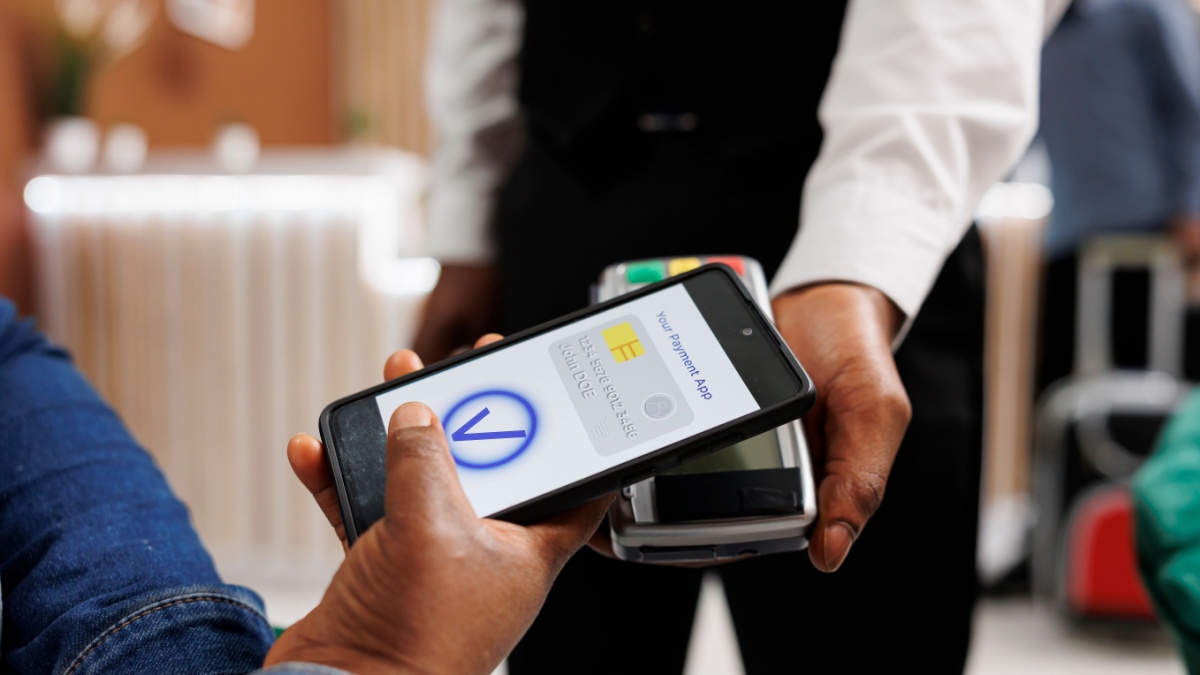
Future trends in card payment apps
As digital transactions continue to evolve, card payment apps are set to undergo significant transformations. These apps are constantly adapting to meet the growing demands of consumers and businesses, ensuring transactions are secure, efficient, and accessible. Let’s explore some of the key trends that will shape the future of card payment applications.
The rise of contactless and mobile wallets
Contactless payments have revolutionized the way people make transactions, offering speed and convenience. More consumers now prefer tapping their cards or using mobile wallets like Apple Pay and Google Pay instead of traditional swiping or inserting methods. This trend is expected to grow even further, with card payment apps focusing on enhancing the security and efficiency of contactless transactions.
In addition, biometric authentication, such as fingerprint and facial recognition, is becoming more prevalent in mobile payments, providing an added layer of security. Payment apps may also integrate near-field communication (NFC) technology to ensure smoother transactions in both online and offline settings.
AI and machine learning improving security and personalization
Artificial intelligence (AI) and machine learning (ML) are playing an increasingly significant role in the payment industry. AI-driven fraud detection systems analyze transaction patterns to identify suspicious activities in real time, reducing the risk of financial fraud. This proactive approach allows businesses to secure transactions and protect their customers’ data more effectively.
Beyond security, AI also enhances user experience by offering personalized insights and recommendations. Businesses can use AI to track customer spending habits, optimize pricing strategies, and offer loyalty rewards based on individual preferences. These innovations will make card payment apps more intuitive and user-friendly.
The impact of blockchain and cryptocurrency on payments
Blockchain technology is gaining traction in the financial sector, and card payment apps are beginning to explore its potential. Blockchain’s decentralized nature offers faster transactions, lower processing fees, and improved transparency. This could transform traditional payment models by reducing reliance on intermediaries such as banks.
Cryptocurrency adoption is also rising, and some payment apps have started allowing users to pay with digital currencies like Bitcoin and Ethereum. In the future, more apps might integrate cryptocurrency wallets, enabling seamless crypto transactions alongside traditional card payments. As regulatory frameworks evolve, businesses may increasingly consider cryptocurrency as a viable payment method.
Omnichannel payment solutions for seamless transactions
As businesses expand their operations across multiple platforms, the need for unified payment solutions is becoming essential. Card payment apps are working towards seamless integration across eCommerce platforms, in-store systems, mobile apps, and even wearable devices.
This trend ensures that customers can switch between payment methods effortlessly, whether they are shopping online, using self-checkout kiosks, or making in-person transactions. Businesses that adopt omnichannel payment solutions will benefit from streamlined financial processes, improved customer experience, and enhanced operational efficiency.
Expansion into global and emerging markets
Card payment apps are no longer confined to developed nations. Many are now expanding into emerging markets where traditional banking systems are less established. Mobile-based financial solutions allow businesses in these regions to participate in the digital economy, fostering financial inclusion and economic growth.
The rise of mobile payments in developing nations is driven by increasing smartphone penetration and government initiatives promoting cashless economies. Payment apps tailored for these regions will focus on accessibility, affordability, and ease of use, ensuring that businesses of all sizes can leverage digital payment solutions.
The role of biometric authentication in future payments
Security remains a top priority in digital transactions, and biometric authentication is set to become a standard feature in payment apps. Fingerprint scanning, facial recognition, and even voice authentication are being integrated into payment platforms to prevent unauthorized access.
By reducing the reliance on passwords and PINs, biometric authentication offers a seamless and secure way to verify transactions. In the coming years, more payment apps are likely to adopt these technologies, making digital transactions both safer and more convenient for users.
Subscription-based and flexible payment models
With the growing popularity of subscription-based services, payment apps are expected to introduce more flexible billing solutions. Businesses offering subscription plans will benefit from automated recurring payments, reducing the risk of missed payments and manual processing.
Additionally, buy-now-pay-later (BNPL) options are gaining traction, allowing consumers to make purchases and pay in installments without traditional credit cards. Payment apps that integrate BNPL solutions will provide users with greater financial flexibility while helping businesses attract more customers.
FAQs
What is a card payment app?
A card payment app is a tool that allows businesses to accept card payments using mobile devices such as smartphones or tablets. These apps often require a card reader and can process transactions via chip and PIN, contactless, or mobile wallets like Apple Pay and Google Pay.
Are card payment apps safe to use?
Yes, card payment apps are designed with advanced security measures, such as encryption and tokenisation, to protect sensitive payment data. Most reputable apps also comply with PCI DSS standards, ensuring transactions are processed securely.
What fees are associated with card payment apps?
Card payment apps typically charge transaction fees, which can either be flat-rate fees per transaction or a percentage of the transaction value. These fees vary by provider, so it’s essential to compare options to find the most cost-effective solution for your business.
Can I use a card payment app without a card reader?
Yes, some card payment apps, like those that support NFC technology, allow businesses to accept contactless payments without needing a physical card reader. However, a card reader is often required for chip and PIN transactions.
What types of payments can I accept with a card payment app?
With a card payment app, you can accept various payment methods, including chip and PIN, contactless cards, and mobile wallets like Apple Pay and Google Pay. Depending on the provider, some apps may also support payments from international cards.