

Understanding credit card swipers: types, benefits, and future trends
A credit card swiper is a crucial tool in the world of digital payments, allowing businesses to process transactions quickly, securely, and efficiently. These devices read the information stored on a card’s magnetic stripe, embedded chip, or contactless signal, transmitting the data to complete the payment. With cashless payments becoming the norm, swipers play an essential role in ensuring seamless transactions, whether in retail stores, restaurants, or mobile businesses.
As technology continues to evolve, credit card swipers have undergone significant advancements, improving security, speed, and convenience. This article explores the various types of credit card swipers, how they function, their benefits, and the future of payment processing technology.
Different types of credit card swipers
Credit card swipers have transformed over the years, adapting to new security standards and consumer preferences. From basic manual devices to advanced digital readers, businesses now have multiple options tailored to their operational needs.
Traditional credit card imprinters
Before digital payment processing became widespread, businesses relied on manual credit card imprinters, often referred to as “knuckle-busters.” These devices created a physical impression of a card’s raised details on carbon paper, allowing merchants to document transactions. While imprinters are largely obsolete today, they still serve as emergency backups in cases of power outages or system failures.
Despite their simplicity and lack of connectivity requirements, imprinters lack the security and efficiency of modern swipers, making them a rare sight in contemporary commerce.
Magnetic stripe readers
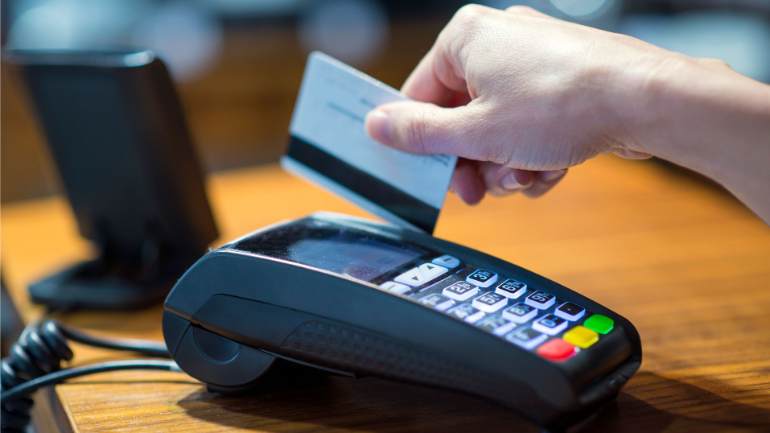
The introduction of magnetic stripe readers revolutionized payment processing. These devices read the magnetic strip on the back of a card, extracting account details and transmitting them to the payment processor. While once the industry standard, magnetic stripe technology has become increasingly vulnerable to fraud due to the static nature of the stored data.
Many countries are phasing out magnetic stripe transactions in favor of more secure alternatives like EMV chips. However, some businesses still use them due to their reliability and ease of operation, particularly in regions where chip-and-PIN technology is not yet fully adopted.
EMV chip-and-PIN terminals
EMV (Europay, MasterCard, and Visa) technology introduced a more secure method of payment by embedding a dynamic chip into credit and debit cards. Unlike magnetic stripe cards, which store static information, EMV chips generate a unique transaction code for each payment, significantly reducing fraud risks.
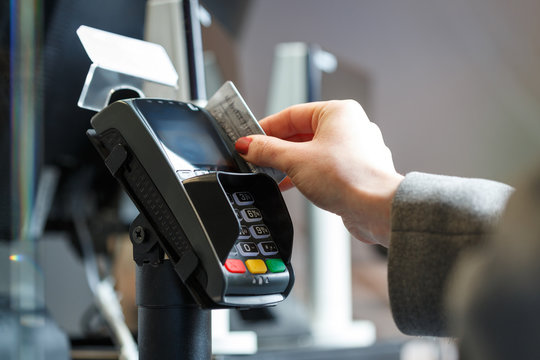
Chip-and-PIN terminals require customers to insert their card into the reader and enter a personal identification number (PIN) to verify the transaction. This additional security layer makes EMV technology the preferred choice for businesses that handle high transaction volumes and prioritize customer safety.
Contactless and mobile device swipers
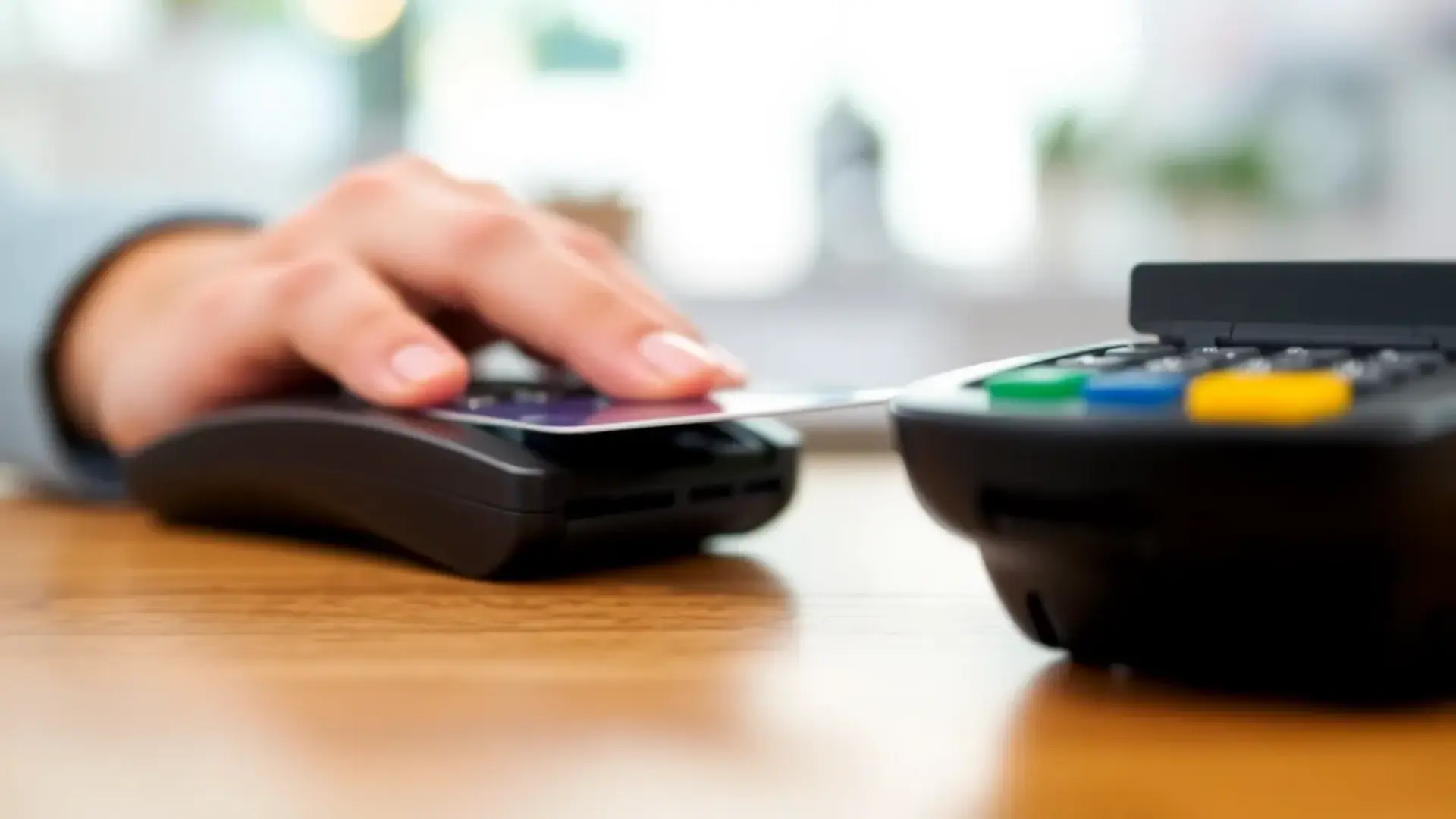
The rise of digital wallets and tap-to-pay technology has driven the popularity of contactless credit card swipers. Using Near Field Communication (NFC), these devices allow customers to make payments by simply tapping their card or smartphone against the reader.
Contactless payments are fast, secure, and convenient, making them a preferred option for busy retail environments. Mobile device swipers, which connect to smartphones or tablets, have also gained traction among on-the-go businesses like food trucks, delivery services, and pop-up stores. These portable solutions provide flexibility while supporting multiple payment methods, including chip, magnetic stripe, and NFC transactions.
How credit card swipers function
Credit card swipers work through a series of quick and secure steps that facilitate smooth payment transactions. While the technology behind them varies, the core process remains similar across different types of swipers.
Initiating the transaction
A transaction begins when a merchant enters the total amount into the point-of-sale (POS) system. For mobile and contactless swipers, this step may involve selecting the payment type before prompting the customer to present their card.
Reading the card data
The customer interacts with the swiper by either swiping the magnetic stripe, inserting the EMV chip, or tapping the card for contactless payments. The device extracts essential data, such as the account number, expiration date, and security credentials.
Data encryption and transmission
Once the card’s information is captured, the swiper encrypts and transmits it to the payment gateway. This gateway acts as an intermediary, securely routing the data between the merchant and the customer’s bank. Encryption ensures sensitive information remains protected from potential security threats.
Transaction authorization
The payment gateway communicates with the cardholder’s bank to verify the transaction. The bank checks for sufficient funds or available credit while ensuring the transaction meets security standards. If approved, the authorization is sent back to the merchant’s POS system.
Completing the payment
Upon approval, the transaction is finalized, and a confirmation message is sent to the merchant and customer. The funds are then transferred to the merchant’s account, typically within one to three business days, depending on the payment processor.
Benefits of using credit card swipers
Credit card swipers offer more than just a means to accept card payments. They provide businesses with essential tools to enhance efficiency, security, and customer satisfaction. In today’s fast-paced commercial environment, integrating a credit card swiper into a business model can make a significant difference in operations and revenue.
Enhancing transaction efficiency
One of the primary advantages of credit card swipers is their ability to facilitate faster transactions. Unlike traditional cash handling, which involves counting and exchanging money, credit card swipers process payments in seconds. This speed is particularly beneficial in high-traffic environments such as retail stores, restaurants, and service-based businesses. Reduced wait times improve customer experience and allow businesses to handle a larger volume of transactions, ultimately increasing revenue.
Portability and convenience
Modern credit card swipers offer unparalleled flexibility, making them an ideal solution for businesses operating beyond traditional storefronts. Mobile card readers can be attached to smartphones or tablets, enabling payments on the go. This portability is crucial for businesses such as food trucks, event vendors, pop-up shops, and service providers who operate in various locations. With mobile swipers, companies can offer customers a seamless and professional payment experience wherever they go.
Strengthening security measures
Security is a top concern for both businesses and consumers when it comes to digital payments. Advanced credit card swipers now come equipped with EMV chip technology and NFC (Near Field Communication) for contactless payments. These security features significantly reduce the risk of fraud by generating unique transaction codes that prevent data replication. Chip-and-PIN and tap-to-pay methods further protect sensitive information, ensuring safer transactions for all parties involved.
Seamless integration with POS systems
Another key benefit of credit card swipers is their ability to integrate with modern point-of-sale (POS) systems. Businesses can link their swipers to digital POS platforms to track sales, manage inventory, and analyze customer purchasing patterns. This integration helps streamline operations, reduces manual errors, and provides valuable insights that can guide business strategies. Small businesses, in particular, can leverage these tools to remain competitive in an increasingly digital marketplace.
Improving customer experience
As cashless transactions become the norm, businesses must adapt to changing consumer preferences. Customers expect quick and convenient payment options, and credit card swipers help meet these expectations. Offering credit card payments not only enhances the checkout experience but also encourages repeat business. Customers appreciate businesses that provide hassle-free payment solutions, which can lead to increased customer loyalty and satisfaction.
Modern credit card swipers and payment solutions
The evolution of credit card swipers has led to the development of advanced payment solutions that include both hardware and software components. Companies like Square and Shopify have introduced systems that allow businesses to process payments while accessing powerful management tools. These integrated solutions help businesses optimize their financial operations and provide greater control over transactions.
Square reader and its benefits
Square has revolutionized the way small businesses accept payments. The Square reader connects to mobile devices, transforming them into fully functional point-of-sale systems. With features like inventory tracking, sales analytics, and digital receipts, Square provides businesses with valuable insights into their performance. Additionally, its user-friendly interface ensures that even small business owners with limited technical expertise can manage transactions efficiently.
Shopify card readers for online and offline businesses
Shopify offers a range of credit card readers that cater to both physical and online businesses. These swipers integrate seamlessly with Shopify’s e-commerce platform, allowing businesses to manage all sales channels from a single dashboard. With the ability to sync inventory across online and offline stores, Shopify’s card readers help businesses maintain accurate stock levels and prevent overselling.
Transparent pricing models
One of the standout features of modern credit card swiper providers is their transparent pricing. Unlike traditional merchant services that may include hidden fees, companies like Square and Shopify offer straightforward pricing structures. Typically, these providers charge a flat percentage per transaction, with no long-term contracts or unexpected charges. This transparency allows businesses to budget effectively and avoid unforeseen costs.

Understanding payment processing fees
While credit card swipers offer numerous advantages, businesses must also consider the associated costs. Payment processing fees can impact profit margins, making it essential to choose the right provider and fee structure.
Transaction fees and how they work
Most credit card swiper providers charge a percentage of each transaction as a processing fee. These rates vary based on the provider and transaction volume. For example, companies like Square charge around 1.75% per transaction. Businesses with higher transaction volumes may qualify for lower rates, helping to minimize costs.
Additional costs to consider
Some credit card swiper providers charge setup or monthly fees for advanced features. While basic swipers may be available without upfront costs, businesses should assess whether additional functionalities—such as advanced reporting, employee management, or enhanced security features—justify the extra expense. Understanding these costs in advance allows businesses to make informed decisions about their payment processing solutions.
Strategies to reduce costs
Businesses looking to minimize payment processing expenses should compare providers and select the most cost-effective option for their needs. Some strategies to lower costs include:
- Opting for providers that offer volume-based discounts for high transaction levels.
- Negotiating with payment processors for better rates.
- Using payment systems that provide added value, such as inventory management or customer insights, to maximize return on investment.
Common issues with credit card swipers
Credit card swipers have become an essential tool for businesses of all sizes, providing a quick and efficient way to process payments. While generally reliable, these devices are not without their problems. Understanding the common issues and knowing how to address them can help businesses maintain smooth and hassle-free transactions.
Transaction failures and connectivity issues
One of the most frequent problems with credit card swipers is transaction failure. This can occur for several reasons, including poor internet connectivity, insufficient funds in the customer’s account, or technical issues with the swiper itself.
To avoid transaction failures, businesses should ensure that their swipers are correctly connected to a stable network, whether through Wi-Fi, Bluetooth, or a wired connection. Additionally, keeping software and firmware up to date can prevent technical malfunctions. Training employees to verify payment details before processing transactions can also help reduce errors.
Security risks and fraud concerns
Security remains a significant concern, particularly for businesses using wireless credit card swipers. Cybercriminals can intercept payment data if proper security measures are not in place. Without encryption and regular software updates, swipers may become vulnerable to hacking attempts.
To enhance security, businesses should invest in swipers with built-in encryption and tokenization features. Implementing two-factor authentication for transactions and regularly updating device software can further protect sensitive payment data. Additionally, training staff to recognize signs of fraudulent transactions can help reduce the risk of chargebacks and financial losses.
Battery and power management challenges
For mobile businesses or companies relying on portable swipers, battery life is a critical factor. Swipers that lose power in the middle of a transaction can disrupt sales and lead to frustrated customers.
To prevent such issues, businesses should ensure that their devices are fully charged before use and invest in portable power banks. Some modern swipers come with extended battery life and energy-efficient technology, making them more reliable for long hours of operation. Keeping spare charging cables and having alternative payment methods available can also help businesses stay prepared.
The future of credit card swiping technology
The payment industry is constantly evolving, and credit card swipers are no exception. Innovations in security, artificial intelligence, and digital currencies are shaping the future of payment processing. Businesses that stay ahead of these trends can provide better customer experiences and remain competitive in an increasingly digital world.
Biometric authentication for enhanced security
The future of credit card swipers may include biometric authentication, such as fingerprint scanning, facial recognition, or even voice verification. These methods provide an extra layer of security, ensuring that transactions are authorized by the rightful cardholder. Biometric authentication not only reduces fraud risks but also simplifies the checkout process, making payments faster and more secure.
AI-powered fraud detection and customer insights
Artificial intelligence (AI) is set to revolutionize credit card swiping technology by detecting fraudulent activities in real-time. AI algorithms can analyze transaction patterns and identify suspicious activities before they lead to financial losses.
Additionally, AI-driven insights can help businesses understand customer purchasing behaviors, allowing for personalized marketing and better inventory management. By integrating AI with credit card swipers, retailers can offer tailored promotions and improve overall customer engagement.
The rise of contactless and mobile payments
As consumers increasingly prefer quick and touch-free transactions, credit card swipers are adapting to support contactless payments. Near-field communication (NFC) and radio-frequency identification (RFID) technologies enable customers to complete purchases by simply tapping their card or smartphone. This trend is expected to grow, with more businesses adopting contactless payment options to enhance convenience and speed at checkout.
Cryptocurrency and blockchain integration
With digital currencies like Bitcoin and Ethereum gaining popularity, future credit card swipers may support cryptocurrency transactions. Blockchain technology offers enhanced security, transparency, and lower transaction fees, making it an attractive option for businesses and consumers alike. Accepting cryptocurrencies could open new revenue streams, particularly in regions with limited access to traditional banking services.
Sustainability and eco-friendly designs
As businesses become more conscious of their environmental impact, credit card swiper manufacturers are exploring sustainable solutions. Future devices may be made from recycled materials, feature energy-efficient components, and reduce electronic waste. Companies that prioritize sustainability can appeal to eco-conscious customers while meeting corporate social responsibility goals.
FAQs
What does a credit card swipe mean?
Credit card swipe refers to sliding a credit card through a swiper or reader to process a payment. Swiping allows the device to read the magnetic stripe on the back of the card to capture payment information.
How to use a credit card swiper?
To use a credit card swiper, enter the transaction amount into the connected POS system and ask the customer to swipe, insert, or tap their card on the swiper. Then, follow the prompts on the screen to complete the transaction.
What are credit card swipe charges?
Credit card swipe charges are fees paid to the payment processor for handling card transactions. Typically, these charges are a percentage of the transaction amount, but they can vary depending on the provider.
Who pays swipe fees?
Swipe fees are usually paid by the merchant who accepts the card payment. These fees help cover the transaction costs and are typically deducted from the merchant’s total transaction amount.
What is the limit of a swipe card?
The limit of a swipe card depends on the spending limit set by the cardholder’s bank for a credit or debit card. For contactless payments, there’s often a lower limit, which varies by country and bank policies.