


Understanding the benefits of a digital cash register for businesses
In today’s fast-paced retail industry, efficient transaction management is a crucial factor in a business’s success. With the rapid advancement of technology, traditional cash registers have evolved into digital systems, significantly transforming retail operations. This shift has not only streamlined transactions but also enhanced customer interactions and provided valuable insights into sales trends and inventory management. As a result, digital cash registers have become indispensable tools for modern businesses, offering features that go beyond merely processing sales.
How digital cash registers improve traditional systems
Traditional cash registers once played a fundamental role in retail by handling basic tasks such as calculating totals, applying discounts, and printing receipts. However, as businesses grew and required more sophisticated tracking and reporting systems, the limitations of traditional registers became evident.
Digital cash registers offer a more advanced approach by automating many functions that older systems could not support. These modern systems provide real-time access to sales data, seamless integration with other business platforms, and a range of features such as sales tracking, automated inventory updates, and enhanced security measures. Unlike their predecessors, digital cash registers support scalability, making them suitable for both small businesses and large retail chains looking to expand their operations.
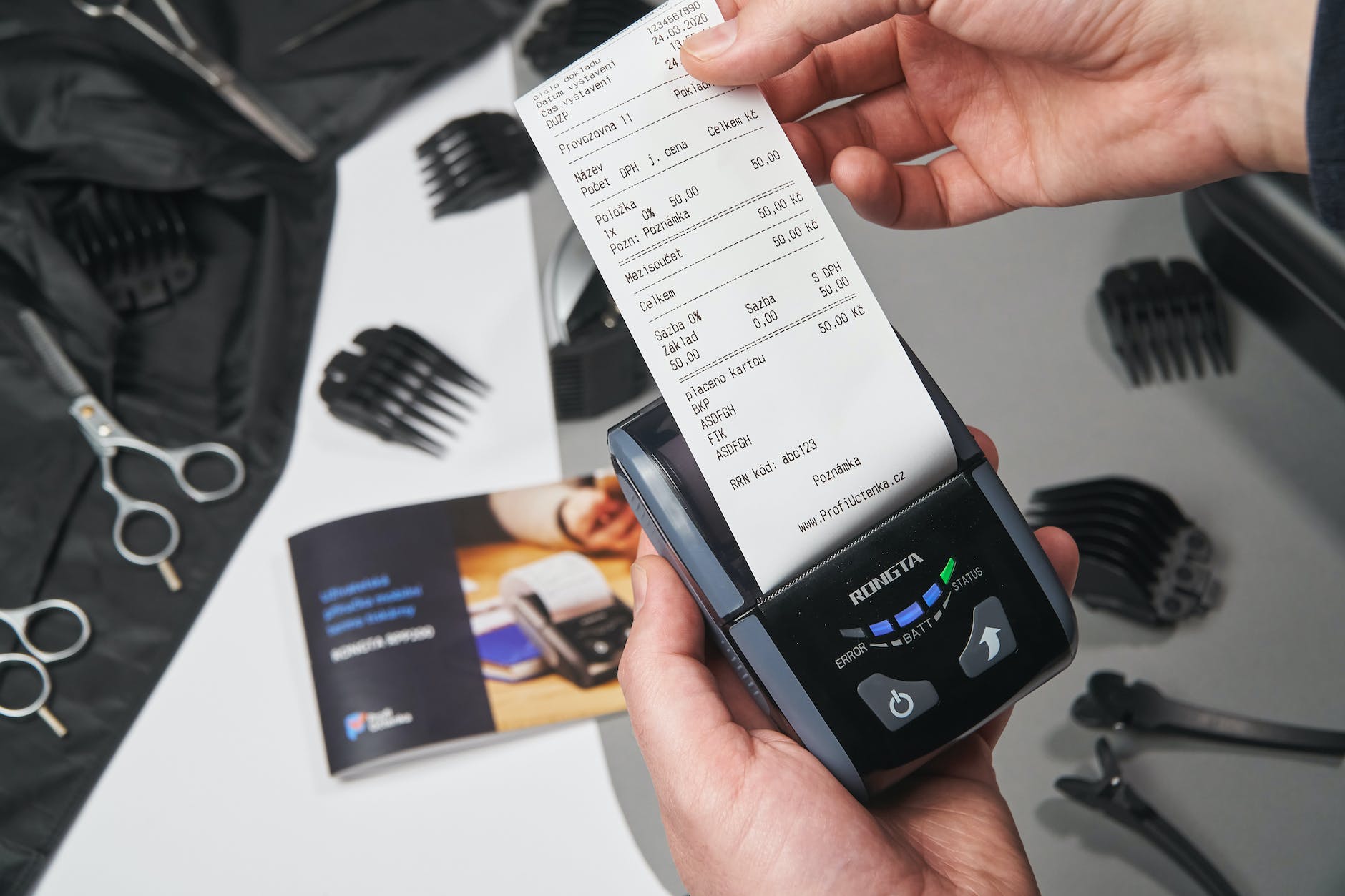
Essential features of a digital cash register
A digital cash register is more than just a tool for processing transactions. It comes equipped with a variety of features designed to enhance efficiency and improve business productivity.
- Real-time sales tracking: Businesses can monitor sales instantly, allowing for better decision-making and more effective sales strategies.
- Automated inventory management: The system updates stock levels automatically, reducing the risks of overstocking or running out of essential products.
- Employee management tools: Business owners can track employee work hours and sales performance, which helps optimize workforce productivity.
- Customisation options: Many systems offer loyalty programs, tailored reports, and flexible settings that allow businesses to personalise their registers according to their specific needs.
- Enhanced security: Encrypted transactions and password-protected access help protect sensitive financial data, ensuring the security of both the business and its customers.
Comparing digital cash registers and POS systems
While digital cash registers offer a variety of useful functions, it’s important to distinguish them from full-scale point-of-sale (POS) systems. POS systems tend to be more comprehensive, integrating advanced features such as customer relationship management (CRM), marketing campaign tracking, and multi-store connectivity.
A digital cash register primarily focuses on managing transactions, generating sales reports, and handling basic inventory tracking. In contrast, a POS system is a complete business solution that connects multiple aspects of a retail operation, from marketing to customer retention. Small businesses may find digital cash registers to be a cost-effective solution, while larger enterprises with complex needs may benefit from the expanded capabilities of a POS system.
Benefits of digital cash registers for small businesses
For small business owners, a digital cash register can be a game changer. One of the biggest advantages is affordability. Compared to full-scale POS systems, digital cash registers provide essential features at a fraction of the cost. They are also user-friendly, requiring minimal technical knowledge for installation and operation, making them an ideal choice for startups and small businesses with limited resources.
Additionally, digital cash registers help businesses scale their operations efficiently. With built-in sales tracking, businesses can identify top-performing products, adjust pricing strategies, and refine their marketing efforts. Inventory management features further reduce the need for manual stock checks, allowing employees to focus more on customer service and sales.
Enhancing customer satisfaction with digital cash registers
Customer experience is a key factor in retail success, and digital cash registers contribute significantly to improving it. Faster transaction processing ensures reduced wait times, enhancing overall customer satisfaction. These systems also minimize human errors, ensuring accurate pricing and correct application of discounts.
Moreover, many digital cash registers integrate loyalty programs, enabling businesses to reward repeat customers. With detailed transaction records, businesses can analyse customer purchasing patterns and offer personalised promotions, strengthening customer relationships and boosting sales.

Optimising retail operations with digital cash registers
Efficiency is crucial for retail businesses, and digital cash registers help streamline various aspects of daily operations. By automating calculations and transaction processes, these systems free up employees to focus on customer engagement and inventory management.
Another key advantage is the reduction in errors. Manual transactions are prone to mistakes, such as incorrect pricing or cash discrepancies, which can affect profitability. Digital cash registers help eliminate these issues by ensuring accuracy in every transaction. Additionally, business owners can utilise real-time reporting features to gain insights into sales performance, allowing them to make informed decisions that enhance overall efficiency.
Security features of a digital cash register
Security is a top priority for businesses, and digital cash registers are equipped with advanced features to protect both the company and its customers. One of the most critical security measures is data encryption, which ensures that sensitive customer information, such as credit card details, remains protected during transactions. This encryption prevents data breaches and maintains customer trust.
Another essential security feature is password protection, which restricts access to specific functions. Only authorised personnel can process refunds, modify settings, or access financial reports. This level of control minimises the risk of internal fraud and unauthorised transactions.
Additionally, digital cash registers often come with audit trails, which help businesses monitor every transaction. By keeping a detailed record of all sales and financial activities, companies can easily detect discrepancies and prevent fraudulent activities. Some advanced systems even offer biometric authentication, such as fingerprint scanning, for an extra layer of security.
By implementing these security measures, businesses can reduce financial risks, prevent fraud, and maintain a reliable transaction system.
Choosing the right digital cash register for your business
Selecting the right digital cash register depends on your business needs, size, and operational complexity. Small businesses with straightforward operations may require a system that focuses on core features such as basic transaction processing and simple inventory management. In contrast, larger enterprises often need more advanced features like multi-location connectivity, customer relationship management (CRM), and detailed reporting tools.
Scalability is another crucial factor when choosing a digital cash register. A system that grows with your business ensures long-term usability and prevents frequent upgrades. Additionally, user-friendliness is important to minimise training time for employees and streamline operations.
Integration capabilities also play a key role. Many modern cash registers can connect seamlessly with accounting software, e-commerce platforms, and inventory management systems. This integration reduces manual data entry, enhances accuracy, and provides real-time insights into business performance.
Customisation options further enhance the functionality of a digital cash register. Businesses can tailor features such as receipt formatting, tax settings, and payment methods to suit their unique needs. By considering these factors, you can invest in a system that enhances efficiency and improves overall business management.
Integrating digital cash registers with other business systems
A significant advantage of digital cash registers is their ability to integrate with other essential business systems. This integration streamlines operations, reduces errors, and enhances efficiency across different departments.
For instance, linking a digital cash register with accounting software allows automatic sales data transfer, reducing manual bookkeeping errors and ensuring accurate financial records. This feature helps business owners maintain precise tax records and generate financial reports with ease.
Similarly, integrating with inventory management systems ensures real-time stock level updates. Whenever a sale is made, the inventory is automatically adjusted, reducing the chances of overstocking or running out of essential products. This automation optimises supply chain management and improves customer satisfaction.
Another valuable integration is with customer relationship management (CRM) software. This connection helps businesses track customer purchasing patterns, offering insights that can be used for targeted marketing, personalised promotions, and improved customer service.
By integrating a digital cash register with other business tools, companies can simplify workflows, reduce operational costs, and enhance overall productivity.

Cost-effectiveness of digital cash registers
Investing in a digital cash register can be a cost-effective solution for businesses in the long run. Although the initial purchase and setup may seem expensive, the benefits of increased efficiency, reduced errors, and improved inventory management make it a worthwhile investment.
One of the primary ways digital cash registers save money is by minimising human errors in transactions. Automated processes reduce the likelihood of miscalculations, incorrect pricing, and inventory mismatches, which can lead to financial losses.
These systems also enhance employee productivity by speeding up the checkout process. Faster transactions mean shorter lines, increased customer satisfaction, and the ability to serve more customers in less time, ultimately boosting revenue.
Compared to full-scale POS systems, digital cash registers are a more affordable alternative, particularly for small businesses. They provide essential functionalities without the high costs of extensive software subscriptions or hardware upgrades. Additionally, cloud-based cash registers allow businesses to save on maintenance and infrastructure costs while benefiting from automatic software updates.
Beyond financial savings, digital cash registers contribute to better financial planning. With real-time sales tracking and reporting features, businesses can make informed decisions, optimise pricing strategies, and identify profitable products.
How digital cash registers changed the retail landscape
The retail industry has undergone a significant transformation with the shift from traditional cash registers to digital cash registers. A well-known retail chain recently adopted this modern technology, leading to faster transaction times, shorter customer wait times, and enhanced satisfaction levels. This transition was not just about improving speed; it also revolutionized how businesses track sales, manage employees, and optimize inventory.
With digital cash registers, retailers can now monitor real-time sales data, identify peak shopping hours, and ensure that in-demand products remain stocked. Moreover, integrated employee tracking tools help businesses evaluate individual staff performance, leading to better workforce productivity. As a result, digital cash registers have become an indispensable part of modern retail operations, offering a seamless experience for both businesses and customers.
The role of cloud technology in digital cash registers
Cloud-based digital cash registers have further enhanced the retail sector by offering flexibility and real-time data access from any location. This technology is particularly beneficial for businesses with multiple branches, as it enables centralized sales tracking and inventory management.
One of the major advantages of cloud-enabled systems is automatic updates, ensuring businesses always have access to the latest features and security enhancements. Additionally, these registers offer increased scalability, allowing businesses to expand smoothly without worrying about system limitations. Whether opening a new store or integrating new payment methods, cloud-based cash registers provide the adaptability needed to meet evolving business demands.
Future advancements in digital cash registers
As technology continues to evolve, digital cash registers are becoming even more sophisticated. Artificial intelligence and machine learning are beginning to play a role in sales trend analysis, helping businesses predict consumer behavior and optimize pricing strategies. AI-powered insights can guide retailers in making data-driven decisions, ultimately boosting profitability.
Moreover, mobile payment options and contactless transactions are becoming increasingly popular, enhancing security and convenience for customers. With advancements in biometric authentication and NFC technology, businesses can expect smoother and more secure payment processes in the near future.
Maintaining and troubleshooting digital cash registers
To ensure the longevity and efficiency of digital cash registers, regular maintenance and troubleshooting are essential. Although many modern systems come with automatic software updates, businesses must periodically check for hardware issues such as connectivity problems, worn-out components, or touchscreen malfunctions.
When troubleshooting, businesses should start by referring to the system’s manual or reaching out to the manufacturer’s technical support team. Many providers offer online help resources and customer service hotlines to assist with common technical difficulties. Promptly addressing issues and keeping the system updated can help avoid downtime and maintain operational efficiency.
Customizing digital cash registers to meet business needs
One of the biggest advantages of digital cash registers is their flexibility. Unlike traditional registers, which had limited functionality, modern digital systems can be customized to suit a business’s unique requirements. Businesses can integrate features such as:
- Loyalty programs to reward repeat customers
- Automated tax calculations based on location
- Personalized receipt designs with branding and promotions
- Tailored sales reports focusing on specific metrics like best-selling products or top-performing employees
Customization allows businesses to enhance their operations by focusing on features that align with their strategic goals. This level of personalization ensures that companies can leverage their cash register system for improved customer service and operational efficiency.
Enhancing sales tracking accuracy with digital cash registers
Accurate sales tracking is fundamental to any retail business, and digital cash registers significantly enhance this aspect. By automating transaction logging, these systems eliminate human errors associated with manual data entry. Businesses can rely on precise sales records, ensuring financial accuracy and compliance with tax regulations.
Moreover, digital cash registers streamline inventory management by automatically updating stock levels in real-time. This minimizes the risk of stock discrepancies, preventing overstocking or running out of essential products. With accurate sales and inventory tracking, retailers can make better purchasing decisions and improve overall profitability.

Why startups should invest in digital cash registers
For startups and small businesses, digital cash registers provide a cost-effective solution for managing transactions, tracking sales, and optimizing operations. These systems are particularly beneficial for new businesses because they:
- Reduce operational errors through automation
- Offer detailed insights into sales trends
- Enhance customer experience with faster transactions
- Scale easily as the business grows
Adopting digital cash registers from the start allows businesses to build a strong foundation, positioning themselves for future expansion. Since these systems are designed for scalability, startups can seamlessly add new features and functionalities as their needs evolve.
The environmental benefits of digital cash registers
In an era where sustainability is a priority, digital cash registers contribute to eco-friendly business practices. Traditional registers rely heavily on paper receipts, but digital alternatives significantly reduce paper waste by offering electronic receipts via email or SMS. This not only benefits the environment but also provides customers with a more convenient way to store purchase records.
Additionally, cloud-based systems minimize the need for physical storage of sales records, reducing paper dependency even further. By adopting digital cash registers, businesses can take a step toward a greener and more sustainable future.
Training employees for efficient use of digital cash registers
While digital cash registers are designed to be user-friendly, proper training is essential to maximize their benefits. Employees should be well-versed in:
- Processing transactions efficiently
- Handling refunds and exchanges
- Using inventory management features
- Generating and interpreting sales reports
Providing ongoing training ensures that employees can utilize the system to its full potential. Many digital cash register providers offer online tutorials, training modules, and customer support to help businesses train their staff effectively. Well-trained employees contribute to smoother operations and enhanced customer experiences.
Evaluating the return on investment for digital cash registers
Investing in digital cash registers is a strategic decision that requires careful evaluation of the return on investment (ROI). While the initial cost of these systems may be higher than traditional registers, the long-term benefits often outweigh the upfront expenses. Key advantages that contribute to a strong ROI include:
- Increased efficiency and reduced transaction times
- Improved accuracy in sales and inventory tracking
- Enhanced security features reducing financial losses
- Valuable data insights leading to better business decisions
By leveraging digital cash registers, businesses can streamline operations, reduce costs, and enhance overall profitability. Evaluating these benefits helps companies make informed investment decisions, ensuring long-term success.
FAQs
What makes digital cash registers better for small businesses?
Digital cash registers offer small businesses a cost-efficient and user-friendly solution. Features like sales tracking, inventory management, and reporting are essential for any company looking to improve its operations.
How do digital cash registers improve customer experience?
Digital cash registers speed up transactions, reduce errors, and provide personalised experiences with integrated loyalty programs and discounts.
Can digital cash registers help with security?
To ensure safe and secure transactions, digital cash registers offer advanced security features, such as data encryption, password protection, and audit trails.
How can digital cash registers help with inventory management?
Digital cash registers automatically update stock levels when a sale is made, reducing the likelihood of stock discrepancies and ensuring accurate inventory tracking.
Why are digital cash registers more environmentally friendly?
Digital cash registers are more environmentally friendly because they minimise paper waste by reducing the need for paper receipts and offering electronic receipt options.