The rise of electronic payment systems: reshaping the way we transact
In today’s fast-paced digital world, electronic payment systems have become an integral part of commerce, transforming how businesses and consumers interact. This shift is driven by technological advancements and the increasing preference for cashless transactions. Electronic payment systems have not only made transactions faster and more convenient but have also enhanced security, reduced fraud, and enabled businesses to expand their reach beyond geographical barriers. As digital payments continue to evolve, understanding their history, different types, benefits, challenges, and future trends is crucial for anyone navigating the modern financial landscape.

The evolution of payment methods
The journey of payment systems has been marked by continuous innovation, transitioning from barter exchanges to sophisticated electronic payments. Historically, people traded goods and services directly, but the inefficiencies of the barter system led to the introduction of currency. Over time, the need for faster and more efficient payment methods led to the creation of checks, credit cards, and eventually digital payment solutions.
The rise of the internet in the late 20th century was a turning point for financial transactions. Online banking and e-commerce fueled the demand for electronic payments, making it easier for individuals and businesses to conduct transactions across borders. Today, digital payments have become an essential part of daily life, offering seamless and secure transaction methods through a variety of platforms.
Understanding electronic payment systems
An electronic payment system facilitates the transfer of funds digitally between parties, eliminating the need for cash or paper checks. These systems leverage cutting-edge technology to provide faster, more secure, and more efficient transaction options. Whether for personal use or business operations, electronic payment systems play a crucial role in shaping the global economy.
Different types of electronic payment systems cater to various user needs and transaction types, making them an essential part of modern financial interactions.
Credit and debit card transactions
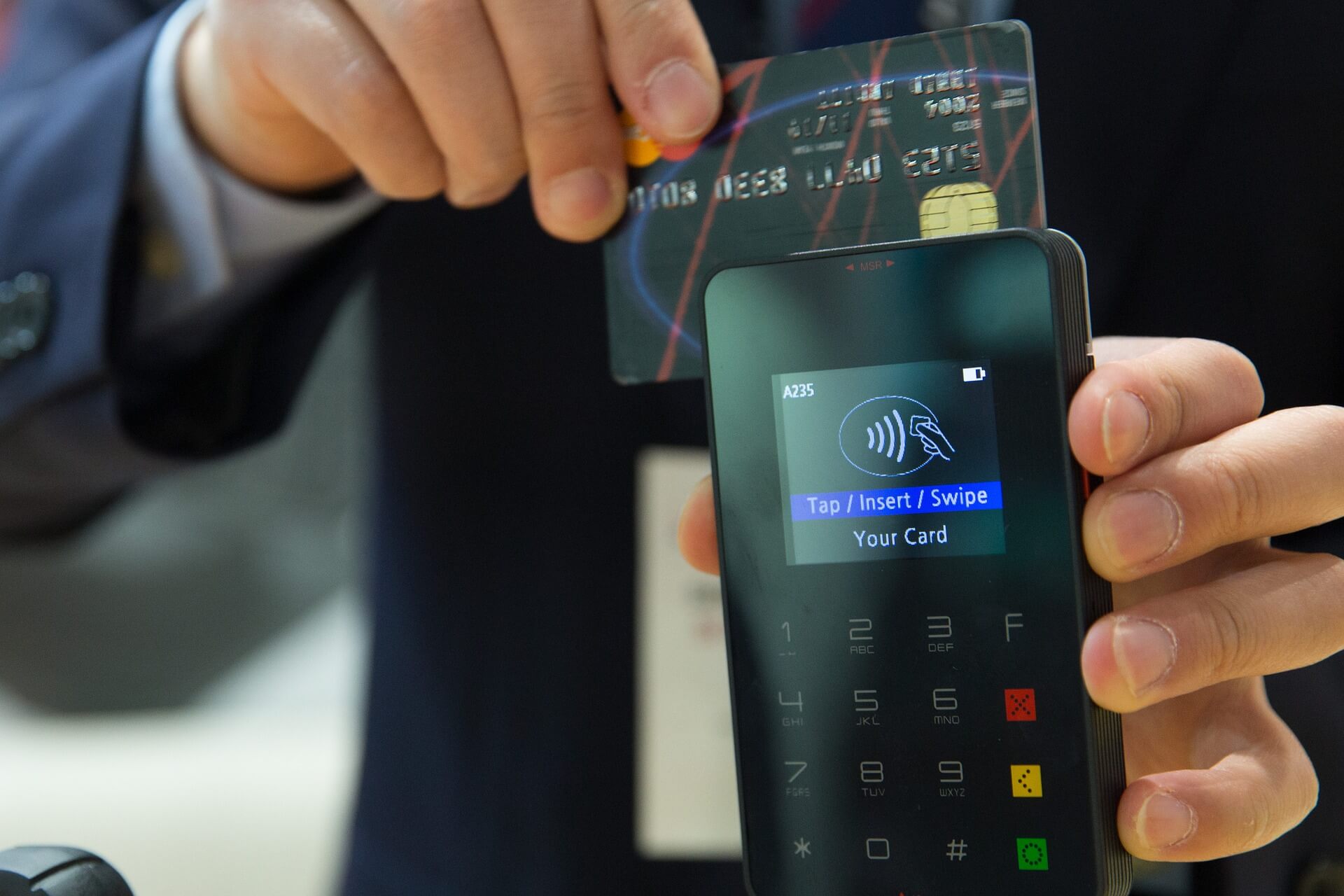
One of the most common and widely accepted electronic payment methods is the use of credit and debit cards. Credit cards allow users to borrow funds from the issuing bank to make purchases, while debit cards deduct money directly from the user’s bank account. Over the years, the security of these transactions has been enhanced with features such as EMV chips, tokenization, and two-factor authentication.
The convenience and global acceptance of credit and debit cards make them indispensable for in-store and online transactions. Many financial institutions also offer rewards, cashback, and fraud protection, further increasing their popularity among consumers.
Digital wallets and mobile payment apps
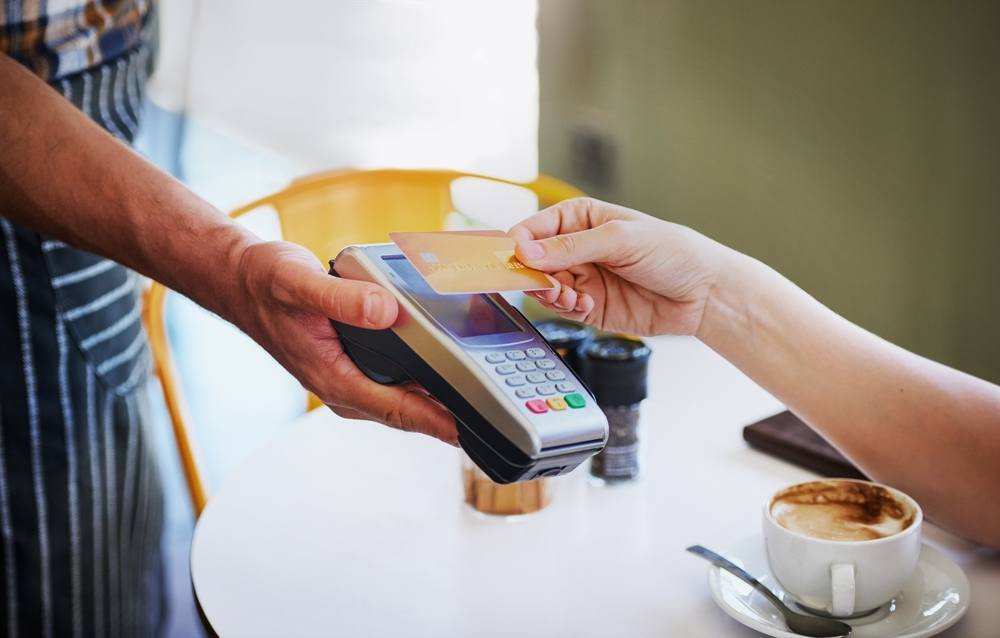
Digital wallets have revolutionized the way people make payments, allowing users to store their card details securely on their smartphones. Apps such as Apple Pay, Google Pay, and PayPal enable quick and seamless transactions with a simple tap or scan. These wallets not only enhance convenience but also improve security by utilizing encryption and biometric authentication.
With the growing penetration of smartphones and internet connectivity, mobile payments have seen rapid adoption worldwide. Businesses are increasingly integrating digital wallet options to attract tech-savvy customers who prefer contactless transactions.
Bank transfers and electronic checks
Bank transfers and electronic checks are another reliable means of electronic payments, especially for larger transactions. Online banking has made it easier to transfer funds between accounts securely. Electronic checks function similarly to paper checks but are processed digitally, reducing the time and effort required for clearing payments.
Businesses and individuals favor bank transfers for transactions that require security, traceability, and compliance with financial regulations. This method is commonly used in high-value transactions such as salary payments, mortgage payments, and international business deals.
How electronic payment systems work
While electronic payment systems might seem complex, they operate through a well-structured process involving multiple stakeholders. Understanding how they work can help consumers and businesses make informed decisions when choosing a payment method.
Key players in electronic payments
Several key entities facilitate electronic transactions:
- Consumers: Individuals or businesses that initiate a payment.
- Merchants: Businesses or service providers that receive payments.
- Payment gateways: Secure platforms that transmit transaction data.
- Issuing banks: Financial institutions that provide payment methods to consumers.
- Acquiring banks: Banks that receive and process payments on behalf of merchants.
- Payment processors: Entities that facilitate the approval or denial of transactions.
Each stakeholder plays a crucial role in ensuring smooth and secure electronic transactions, protecting users from fraud and unauthorized access.
The transaction process
Electronic payment transactions follow a series of steps to ensure security and efficiency. When a consumer initiates a payment, the details are encrypted and sent to a payment processor via a payment gateway. The payment processor verifies the transaction with the issuing bank, which either approves or declines it based on the available funds and security checks. Once approved, the funds are transferred to the acquiring bank and eventually credited to the merchant’s account.
Security measures such as encryption, fraud detection algorithms, and multi-factor authentication are implemented to protect sensitive financial data. These advancements have significantly reduced the risk of fraud and unauthorized transactions.

Advantages of electronic payment systems
Electronic payment systems have transformed the way businesses and consumers handle financial transactions. These systems offer numerous benefits, including convenience, security, and efficiency, making them a preferred choice for modern financial transactions. As digital transactions continue to grow, understanding the advantages and potential challenges of electronic payment systems is essential for businesses and individuals alike.
Convenience and ease of access
One of the biggest advantages of electronic payment systems is the convenience they offer. Customers can make transactions anytime and anywhere without the need for physical cash or checks. This has expanded business reach, allowing companies to serve customers across different locations without geographical limitations. The ability to conduct instant transactions also minimizes waiting times and enhances the shopping experience.
For businesses, electronic payment methods reduce the burden of cash management. They eliminate the need for manual processing, making transactions faster and reducing human errors. Customers also have multiple payment options, including credit and debit cards, mobile wallets, and online banking, which adds to their convenience.
Increased security and fraud protection
Security is a primary concern in financial transactions, and electronic payment systems offer enhanced protection compared to traditional cash-based transactions. Advanced security features such as encryption, tokenization, and biometric authentication help safeguard sensitive information. These technologies ensure that financial details remain confidential, reducing the risk of fraud and identity theft.
Additionally, electronic payments allow for real-time transaction monitoring, enabling businesses to detect and prevent fraudulent activities quickly. Many systems also incorporate multi-factor authentication, requiring users to verify their identity through multiple steps, adding an extra layer of security.
Cost efficiency and improved financial management
Electronic payments help businesses reduce costs associated with handling cash, such as transportation, storage, and security expenses. Automated payment processing lowers administrative costs by eliminating the need for manual bookkeeping and reducing human errors. Moreover, businesses can easily track and analyze financial transactions, leading to better financial management and decision-making.
For small businesses, cost efficiency is particularly beneficial. Lower transaction costs and automated processes allow them to allocate resources more effectively. Digital transactions also facilitate better cash flow management, as funds are processed quickly, reducing the delay associated with traditional payment methods.
Better record-keeping and accountability
Electronic payment systems provide businesses with detailed transaction records, making it easier to track sales, refunds, and expenses. Automated record-keeping helps businesses maintain accurate financial statements and simplifies tax reporting. Additionally, digital records reduce the chances of discrepancies and make audits more efficient.
For consumers, having a digital record of transactions helps in budgeting and financial planning. Unlike cash transactions, which can be difficult to track, electronic payments provide detailed statements that help users monitor their spending habits.
Challenges in implementing electronic payment systems
While electronic payment systems offer numerous benefits, they also come with certain challenges that businesses need to address for successful implementation.
Fraud risks and cybersecurity concerns
Despite advanced security measures, electronic payment systems remain vulnerable to cyber threats. Cybercriminals constantly look for ways to exploit security loopholes, leading to risks such as phishing attacks, hacking, and identity theft. Businesses must invest in robust security measures, such as firewalls and AI-driven fraud detection systems, to protect sensitive customer data.
Moreover, educating customers about safe online payment practices is crucial. Many fraud cases occur due to users unknowingly sharing sensitive information. Implementing secure authentication methods and regularly updating security protocols can help mitigate these risks.
Technical integration and compatibility issues
Implementing electronic payment systems requires seamless integration with existing business operations. This can be challenging, especially for small businesses that may lack the technical expertise or financial resources to invest in compatible hardware and software. Point-of-sale (POS) systems, e-commerce platforms, and banking networks must be aligned for smooth transaction processing.
To overcome these challenges, businesses should work with reliable payment service providers that offer easy integration and technical support. Regular software updates and maintenance are also necessary to ensure that payment systems remain efficient and secure.
Security measures in electronic payment systems
To maintain the trust of consumers and businesses, electronic payment systems employ various security measures designed to prevent fraud and data breaches.
Encryption and multi-factor authentication
Encryption is one of the most effective security measures in electronic payments. It converts sensitive data into an unreadable format, ensuring that information remains protected during transmission. Additionally, tokenization replaces sensitive payment details with unique digital tokens, further enhancing security.
Multi-factor authentication (MFA) adds another layer of security by requiring users to verify their identity using multiple authentication methods, such as passwords, biometric scans, or one-time codes sent to their devices. This significantly reduces the risk of unauthorized transactions.
Compliance with financial security standards
To maintain high security levels, businesses handling electronic payments must comply with industry regulations such as the Payment Card Industry Data Security Standard (PCI DSS). These standards outline security practices that companies must follow to protect cardholder data. Compliance with these regulations helps businesses prevent data breaches and build customer trust.
Regular security audits and vulnerability assessments are also essential to identify potential risks and ensure continuous improvement in security measures.
The role of electronic payment systems in e-commerce
Electronic payment systems play a crucial role in the success of e-commerce businesses, providing seamless transaction experiences and enhancing customer satisfaction.
Streamlining online transactions
The rise of online shopping has been fueled by the efficiency of electronic payment systems. These systems enable customers to make purchases instantly without needing physical currency. Payment gateways facilitate smooth transactions, allowing businesses to process orders quickly and securely.
Moreover, digital payment options cater to the needs of a diverse customer base. Consumers can choose from various payment methods, such as credit cards, digital wallets, and even cryptocurrency, making online shopping more accessible and user-friendly.
Enhancing customer trust and satisfaction
A secure and convenient payment process significantly impacts customer experience. Long and complicated payment procedures can lead to cart abandonment in e-commerce, whereas a smooth and secure checkout process encourages repeat business. Offering multiple payment options ensures that customers can select their preferred method, increasing their overall satisfaction.
Furthermore, instant transaction confirmations and automated refunds enhance trust between businesses and consumers. Customers feel more confident when they receive immediate transaction updates, reducing concerns about payment failures or fraud.
Future trends in electronic payment systems
The electronic payments landscape is undergoing a rapid transformation. With new trends constantly emerging, the future of payment systems promises to be highly dynamic. As technology continues to evolve, businesses and consumers alike are likely to see significant changes in how transactions are processed and experienced.
The rise of cryptocurrencies
Cryptocurrencies, including Bitcoin and Ethereum, are progressively gaining popularity as alternatives to traditional payment methods. These digital currencies offer decentralization, providing a level of security and transparency that appeals to tech-savvy individuals. Though still in the early stages of adoption, the growing interest in cryptocurrencies suggests that, as regulations and infrastructure evolve, we may see an increasing number of businesses integrating them into their payment solutions. This shift could potentially revolutionize the way we conduct transactions, offering faster, more secure alternatives to conventional methods like credit cards or bank transfers.
As cryptocurrencies continue to mature, the industry is likely to witness greater acceptance. Financial institutions are already exploring blockchain technology and smart contracts, which can improve security, streamline processes, and reduce costs. The widespread use of cryptocurrencies could ultimately lead to more inclusive financial systems that provide access to unbanked populations.
Artificial intelligence in payment systems
Artificial intelligence (AI) is set to play a transformative role in the future of electronic payments. One of the most significant impacts of AI is its ability to enhance fraud detection. By leveraging machine learning algorithms, payment systems can now analyze transaction patterns and identify potential fraud in real-time. This capability significantly reduces the chances of fraudulent activities, making electronic payments safer for both businesses and customers.
Additionally, AI is helping personalize customer experiences. From automated chatbots that assist with inquiries to predictive algorithms that offer tailored product recommendations, AI is improving the overall customer journey. These innovations are not only enhancing customer satisfaction but also enabling businesses to drive higher sales and customer loyalty.
Real-world case studies of payment system innovations
Examining successful real-world applications of electronic payment systems provides valuable insight into the potential benefits and challenges of adopting these technologies. Retail and financial industries, in particular, have seen tremendous growth due to the effective implementation of digital payment solutions.
Retail industry advancements
Major retailers, such as Amazon and Walmart, have integrated electronic payment systems to simplify and enhance the shopping experience. By offering digital wallets, mobile payment options, and one-click purchasing, these companies have streamlined the checkout process, enabling quicker, more convenient transactions for their customers. These innovations have not only improved the consumer experience but have also contributed to increased sales and customer retention. As more retailers adopt similar technologies, we can expect a broader trend of seamless, frictionless shopping experiences.
Innovation in financial services
The financial services industry has been quick to recognize the importance of electronic payment systems. Banks and credit unions have embraced mobile banking apps, digital wallets, and contactless payment methods to offer more convenience to their customers. These solutions provide users with faster, more efficient ways to manage their finances, with features like instant transfers and bill payments becoming the norm. The financial sector’s willingness to innovate shows how electronic payments can reshape entire industries by offering greater convenience and security.
Best practices for adopting electronic payment systems
As businesses transition to digital payment solutions, it’s essential to follow best practices that ensure smooth integration and provide a seamless experience for customers.
Choosing the right payment gateway
Selecting a reliable payment gateway is one of the most important steps when adopting electronic payments. The gateway serves as the intermediary between the business and financial institutions, processing payments securely and efficiently. Choosing a reputable provider that ensures fast processing times, robust security features, and minimal downtime is crucial for maintaining a smooth operation.
Ensuring security and compliance
For businesses adopting electronic payments, ensuring compliance with security standards like PCI DSS is vital to protect customer data and maintain trust. Compliance not only safeguards sensitive information but also reduces the risk of fraud, which is especially important in the digital age. Regular updates to security measures are necessary to adapt to emerging threats. Employing encryption, tokenization, and regular security audits can enhance the safety and integrity of payment systems, safeguarding both businesses and their customers.
The global impact of electronic payments
The rise of electronic payment systems is reshaping global commerce, breaking down traditional barriers and enabling businesses to operate on a global scale. This transformation has wide-reaching implications, particularly for small businesses and emerging e-commerce platforms.
Expanding global reach
One of the most significant advantages of electronic payment systems is their ability to facilitate international transactions. Businesses can now accept payments from customers worldwide, regardless of geographical location. This has opened up new opportunities for small businesses and online startups that may not have the resources to expand physically into international markets. With support for multiple currencies and payment methods, businesses can reach a broader audience and foster growth on a global scale.
Shaping consumer behavior
The convenience of electronic payments is influencing consumer habits in profound ways. The ability to make instant payments with minimal effort encourages consumers to shop more frequently, often across different platforms. The rise of one-click purchasing and simplified checkout processes further reduces barriers to purchasing, leading to higher conversion rates for online retailers. As consumers become more accustomed to fast and secure digital transactions, their expectations of service quality and convenience will continue to evolve.
The future of electronic payment systems
As electronic payment systems continue to evolve, we can expect even greater advancements in areas such as biometric authentication, instant payments, and improved cross-border transaction solutions. The continued development of blockchain technology will also likely play a significant role in shaping the future of payments, offering decentralized and secure alternatives that challenge traditional banking systems.
The growth of electronic payment systems shows no signs of slowing down, and as businesses and consumers embrace these innovations, we will see a more efficient, secure, and inclusive global economy. By staying ahead of these trends, companies can ensure they are prepared to meet the demands of the digital age and continue to provide the best possible payment experiences for their customers.
FAQs
What are electronic payment systems?
Electronic payment systems are digital platforms and methods that allow consumers and businesses to transfer funds electronically, eliminating the need for physical cash or checks. These systems encompass credit and debit cards, digital wallets, bank transfers, and more.
Why are electronic payment systems critical for businesses?
Electronic payment systems provide numerous benefits, including enhanced convenience, improved security, and reduced operational costs. They also expand market reach by enabling international transactions, which is crucial in today’s global economy.
How do electronic payment systems enhance security?
Electronic payment systems utilise security measures such as encryption and tokenisation to safeguard sensitive information, thereby minimizing the potential for fraudulent activities. Compliance with standards like PCI DSS further strengthens security by ensuring that businesses follow best practices in data protection.
What are the main challenges in implementing electronic payment systems?
Some challenges include security risks, such as fraud and data breaches, as well as technical integration issues with existing systems. Businesses need to invest in robust security measures and ensure compatibility with their existing infrastructure.
What future trends are expected in electronic payment systems?
Future trends include the adoption of cryptocurrencies, greater integration of artificial intelligence, and increased use of mobile and digital wallets. These innovations are expected to further improve transaction efficiency, security, and customer experience.