How endless aisles increase sales without extra inventory
Retailers today are constantly looking for ways to meet customer demands while efficiently managing their in-store space. The challenge lies in striking a balance between offering a diverse product selection and avoiding inventory overflow. Traditional methods of stocking every possible item require extensive floor space and lead to higher storage costs, making it impractical for many businesses.
A solution to this problem is the concept of the “endless aisle.” This modern retail strategy enables stores to expand their product range without physically stocking every item. By leveraging digital solutions, retailers can showcase additional products online or through in-store kiosks, allowing customers to order items directly from external warehouses or supplier networks. This method enhances shopping convenience while optimizing retail space management.

Understanding the endless aisle concept
An endless aisle is a retail approach that integrates physical stores with digital inventory systems, extending product availability beyond what is physically present in-store. It effectively bridges the gap between brick-and-mortar stores and e-commerce platforms, providing shoppers with a seamless shopping experience.
Instead of limiting customers to the products available on the shelves, endless aisles allow them to browse an extended catalog through digital displays, mobile apps, or in-store kiosks. If a customer is looking for a particular item that is out of stock or unavailable in their preferred color, size, or variation, they can still make a purchase and have it shipped directly to their home or another store location for pickup.
This system not only improves customer satisfaction but also enhances retailers’ ability to manage their inventory efficiently. By reducing the need for excessive in-store stock, businesses can optimize space and allocate resources more effectively, all while offering an expansive product range.
Advantages of implementing endless aisles
Expanded product offerings without physical limitations
One of the most significant advantages of endless aisles is that they allow retailers to provide customers with an extensive range of products without the constraints of shelf space. Instead of maintaining a vast inventory in-store, businesses can showcase additional options digitally, giving shoppers the flexibility to explore a broader selection. This is particularly useful for specialty items, seasonal products, or high-value goods that may not be feasible to stock in bulk.
Increased sales and conversion rates
Endless aisles contribute to higher sales by capturing potential purchases that might otherwise be lost due to stock limitations. When customers find exactly what they need through the endless aisle system, they are more likely to complete a purchase rather than leaving the store disappointed. Additionally, the ability to order out-of-stock or hard-to-find items directly from the store increases conversion rates and reduces the likelihood of customers seeking alternatives from competitors.
Reduced inventory costs and storage needs
For retailers, maintaining a large inventory comes with significant costs, including warehousing, insurance, and potential product depreciation. Endless aisles allow businesses to optimize their inventory by keeping only the most in-demand products in stock while offering less frequently purchased items through online fulfillment. This minimizes financial risks associated with unsold inventory while improving overall efficiency.
Enhanced customer satisfaction and convenience
Modern consumers expect convenience, and endless aisles cater to this demand by eliminating the frustration of out-of-stock items. Instead of forcing customers to visit multiple locations or search for products elsewhere, endless aisles offer a direct solution, improving the overall shopping experience. Additionally, shoppers can enjoy the benefits of both in-store browsing and online ordering, creating a hybrid retail experience that meets their needs.
Competitive advantage for small retailers
Large retail chains often have the advantage of extensive product selections due to their larger physical spaces. However, endless aisles level the playing field for smaller retailers by allowing them to offer an equally diverse range without requiring massive storage space. This strategy helps small businesses remain competitive by providing customers with the variety they expect, even within a limited retail footprint.
The future of endless aisles in retail
As technology continues to advance, endless aisles are becoming an essential component of modern retail strategies. The rise of artificial intelligence, predictive analytics, and integrated e-commerce platforms further enhances the effectiveness of this approach. Retailers can use data-driven insights to personalize product recommendations, optimize stock levels, and provide a more tailored shopping experience.
Additionally, augmented reality (AR) and virtual reality (VR) technologies are being explored to create immersive endless aisle experiences. These innovations allow customers to visualize products in real-world settings before making a purchase, increasing engagement and confidence in their buying decisions.
Moreover, sustainability initiatives are driving the adoption of endless aisles by reducing waste associated with overstocking and excessive packaging. By embracing a more efficient inventory model, retailers can contribute to environmental efforts while improving their bottom line.
Understanding the technology behind endless aisles
The concept of endless aisles has revolutionized the way retailers operate, offering customers access to an extensive range of products beyond what is physically available in-store. This innovative approach ensures customer satisfaction, enhances sales opportunities, and improves overall shopping experiences. To make endless aisles successful, businesses must integrate various technologies seamlessly. These technologies work together to create a unified shopping experience that bridges online and offline sales channels.
Point-of-sale (POS) systems
A well-integrated point-of-sale (POS) system is essential for endless aisles to function effectively. Modern POS systems link in-store and online inventory, allowing sales associates to check stock levels and place orders instantly. This integration ensures that even if a product isn’t available in the store, customers can still order it with ease. A robust POS system streamlines the purchasing process, reducing wait times and improving customer satisfaction. Additionally, these systems can provide valuable insights into sales trends, helping retailers make informed stocking decisions.
Inventory management systems
An efficient inventory management system is the backbone of endless aisles. Keeping track of stock across multiple locations and online platforms is crucial for ensuring accuracy and availability. Advanced inventory systems automatically sync stock levels, minimizing errors such as selling out-of-stock items. This accuracy builds trust with customers, as they can confidently place orders knowing that the product will be delivered without unexpected delays. Furthermore, predictive analytics in inventory management helps retailers anticipate demand, preventing stock shortages and overstocking.
Order fulfillment and logistics
Once a customer places an order through an endless aisle system, timely order fulfillment and efficient logistics become critical. Retailers rely on fulfillment centers, warehouses, and third-party logistics providers to handle shipments effectively. A well-structured logistics network ensures that products reach customers on time, enhancing the overall shopping experience. To further improve efficiency, retailers can adopt automation in warehouses, such as robotic picking systems and AI-powered sorting mechanisms, which help reduce errors and speed up delivery times.
Mobile devices and in-store kiosks
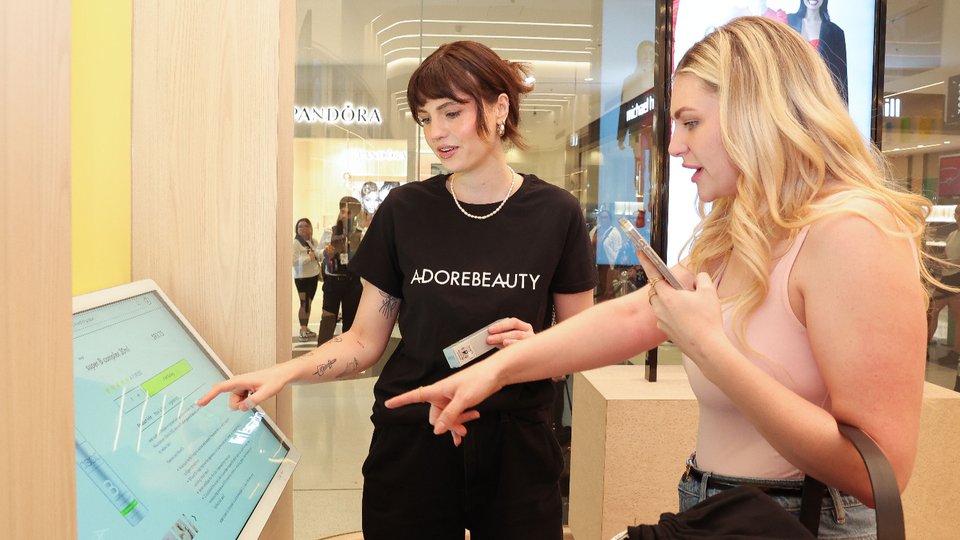
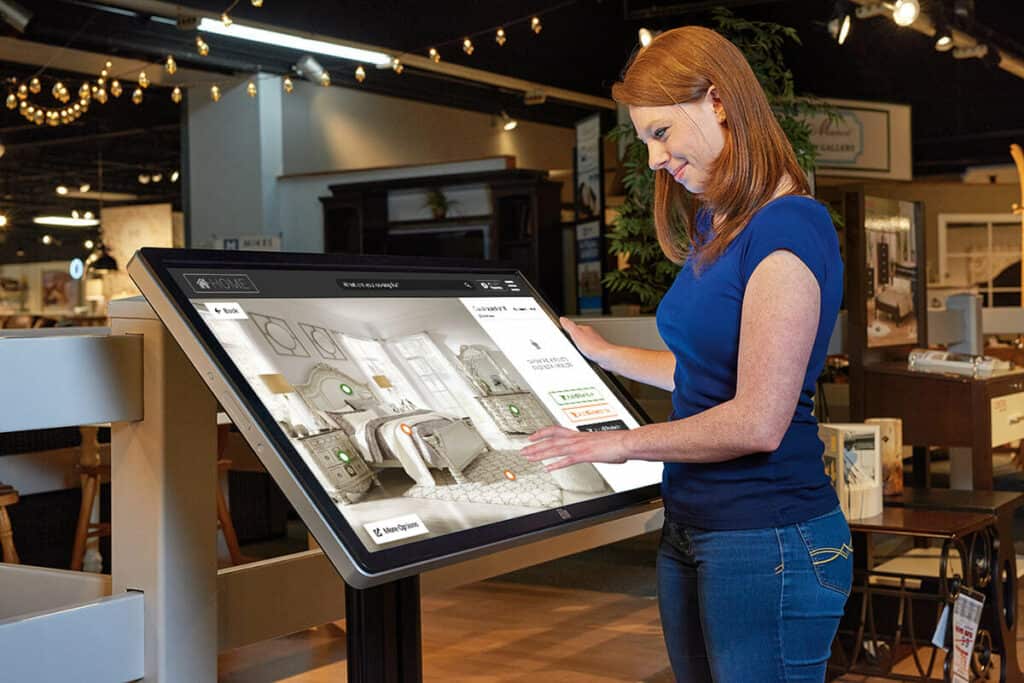
Retailers enhance the endless aisle experience by equipping stores with mobile devices and kiosks. These digital tools provide customers with access to a full catalog of products, enabling them to browse, compare, and purchase items seamlessly. Interactive kiosks offer self-service options, empowering shoppers to take control of their purchases without waiting for assistance. Mobile devices, on the other hand, allow store associates to assist customers by showing product details, checking availability, and completing transactions instantly. The integration of augmented reality (AR) and virtual reality (VR) into kiosks can further enrich the shopping experience by providing a more interactive way to view products.
How to set up an endless aisle in your store
Implementing an endless aisle strategy requires careful planning and the right technological infrastructure. Here are the key steps to successfully setting up an endless aisle in your store:
Inventory and sales channel integration
The foundation of an effective endless aisle setup is seamless integration between inventory management and sales channels. Businesses must ensure that their inventory tracking systems communicate in real time with their e-commerce platforms and POS systems. This integration allows for up-to-date stock visibility, ensuring that customers always see accurate product availability. By synchronizing data across all sales channels, retailers can prevent stock discrepancies and improve order accuracy.
Choosing the right technology
Selecting the appropriate technology is essential to support an endless aisle strategy. Retailers should invest in a POS system that can effortlessly connect with inventory management software and online stores. Additionally, setting up user-friendly kiosks and mobile devices in-store can enhance the customer experience. Businesses should also consider adopting AI-driven chatbots or virtual assistants to guide customers through the shopping process and provide personalized recommendations.
Training staff
Proper training is crucial to ensure that employees understand how to operate the endless aisle system efficiently. Staff should be well-versed in navigating digital catalogs, placing orders, and assisting customers with inquiries. By equipping employees with the necessary knowledge, retailers can create a more engaging and convenient shopping experience. Additionally, training sessions should include customer service best practices, helping staff explain the benefits of the endless aisle to shoppers and addressing any concerns they may have.
Enhancing customer experience
An endless aisle should not only offer convenience but also improve the overall shopping experience. To achieve this, retailers should focus on making the ordering process as seamless as possible. Simple and intuitive interfaces on kiosks, quick checkout options, and flexible payment methods all contribute to a smoother transaction. Personalized recommendations based on browsing history and past purchases can also enhance customer satisfaction. Furthermore, integrating loyalty programs that reward customers for endless aisle purchases can encourage repeat business.
Marketing your endless aisle
Effectively promoting the endless aisle can increase its usage and drive sales. Retailers should leverage multiple marketing channels to inform customers about this feature. In-store signage and digital displays can highlight the benefits of endless aisles, while social media and email campaigns can provide additional information and promotions. Incorporating customer testimonials and success stories can further boost credibility and encourage more shoppers to use the system. A well-planned marketing strategy ensures that customers are aware of and eager to engage with the endless aisle option.
Analyzing performance and optimizing operations
After implementing an endless aisle, continuous monitoring and optimization are necessary for long-term success. Retailers should track key performance indicators (KPIs) such as order volume, fulfillment speed, and customer satisfaction levels. Collecting feedback from customers and employees can also provide insights into potential areas of improvement. Regularly updating technology, expanding product offerings, and refining logistics processes will help retailers maintain a competitive edge and ensure their endless aisle remains an effective tool for sales growth.

Best practices for managing an endless aisle
An endless aisle is a powerful tool that allows retailers to offer a wider range of products beyond what they can physically stock in their stores. When managed effectively, it enhances customer satisfaction and boosts sales. However, maintaining an efficient and seamless endless aisle requires strategic planning, reliable technology, and clear communication. Below are some best practices to ensure smooth operations and a positive customer experience.
Efficient inventory management
One of the biggest challenges in managing an endless aisle is keeping track of inventory in real-time. Retailers must implement advanced inventory tracking systems that update stock levels instantly. These systems help prevent overselling and alert businesses when items are running low.
Using artificial intelligence (AI) and machine learning can also enhance inventory predictions by analyzing shopping trends and seasonal demand. Automated stock replenishment ensures popular items remain available, reducing instances of stockouts and improving customer trust. Additionally, businesses can integrate inventory systems with suppliers’ databases to improve visibility and streamline order fulfillment.
Enhancing customer communication and support
Effective communication plays a vital role in ensuring a seamless endless aisle experience. Customers need accurate and transparent information about product availability, delivery timelines, and return policies.
Retailers should provide estimated delivery dates at checkout and update customers about their order status via SMS or email. Offering live chat support and AI-powered chatbots can also help answer queries instantly, addressing concerns before they escalate. Additionally, providing detailed product descriptions and customer reviews can assist buyers in making informed purchasing decisions.
Streamlining returns and exchanges
Handling returns for endless aisle purchases can be more complex than traditional in-store returns since products are often shipped from external warehouses. To simplify the process, retailers should establish a dedicated return policy that specifies whether customers can return items in-store or need to ship them back to the supplier.
Providing prepaid return labels, flexible return windows, and clear instructions on how to initiate a return can increase customer confidence. A hassle-free return process encourages repeat purchases and enhances overall customer satisfaction.
Overcoming key challenges in endless aisle management
Managing customer expectations
Customers often expect quick delivery and immediate availability when shopping online. However, not all endless aisle products can meet these expectations. To avoid disappointment, retailers should clearly indicate if an item is available for immediate shipment or if additional processing time is required.
Using estimated delivery labels and stock availability indicators on product pages can help set realistic expectations. If an item is temporarily out of stock, offering an option to receive a notification when it becomes available again can keep potential customers engaged.
Addressing technical issues
Since endless aisle systems rely on multiple technologies, including point-of-sale (POS) systems, inventory databases, and third-party logistics, technical glitches are bound to happen. Regular system maintenance and software updates can prevent unexpected breakdowns.
Training employees on troubleshooting common technical issues ensures that minor disruptions do not affect customer experience. Having a dedicated IT support team available to resolve system failures promptly is also crucial to minimize downtime.
Reducing stockouts and backorders
Unexpected spikes in demand can lead to stock shortages, frustrating customers and causing lost sales. To mitigate this, retailers should implement predictive analytics to forecast demand more accurately.
Another effective strategy is diversifying supplier networks. Partnering with multiple suppliers ensures backup options in case a primary supplier runs out of stock. Additionally, retailers can offer alternative product recommendations to customers when a desired item is unavailable, reducing the likelihood of abandoned carts.
Real-world examples of successful endless aisle implementation
Large retailers
Several leading retailers have leveraged endless aisle solutions to expand their product offerings and improve customer satisfaction. Companies like Best Buy and Nordstrom allow customers to browse an extended online catalog when certain items are unavailable in physical stores. By enabling customers to order products directly from their suppliers, these retailers minimize lost sales and enhance brand loyalty.
Target and Walmart have also successfully integrated endless aisle strategies by equipping their stores with kiosks and mobile apps that allow customers to place online orders instantly. This omnichannel approach bridges the gap between online and in-store shopping experiences.
Small businesses
Endless aisle technology isn’t just for large corporations—small businesses can also benefit from it. Boutique stores often use endless aisle systems to showcase items from partner brands or other locations, giving them a competitive edge against bigger retailers.
For example, independent furniture stores may offer additional styles and customization options through endless aisle platforms, even if they don’t have the physical space to display all variations. Similarly, specialty clothing boutiques can provide access to exclusive collections or custom-order items, enhancing the shopping experience for their customers.
The future of endless aisles in retail
The evolution of omnichannel retail and the role of endless aisles
Retail is constantly evolving, and one of the most significant changes in recent years has been the rise of omnichannel shopping. Consumers no longer limit themselves to either online or in-store purchases—they expect a seamless experience that blends both. This is where the concept of endless aisles plays a crucial role, allowing customers to access an extensive range of products beyond what is physically available in a store.
Endless aisles enhance customer satisfaction by offering greater convenience and variety. Instead of leaving a store empty-handed when an item is out of stock, shoppers can order it through in-store kiosks, tablets, or even their mobile devices and have it delivered to their homes. This integration between digital and physical shopping experiences is becoming more vital as retailers strive to meet ever-growing consumer expectations.
Moreover, endless aisles benefit businesses by reducing inventory constraints. Retailers no longer need to stock every variation of a product in-store, cutting costs while still meeting customer demand. This strategy is particularly useful for stores with limited space, allowing them to showcase a wider selection without the burden of excessive inventory management.
The impact of technology on endless aisle experiences
As technology advances, endless aisles are becoming more sophisticated. Artificial intelligence (AI) and machine learning are playing a significant role in shaping the future of this retail strategy. AI-driven product recommendations help personalize the shopping experience by analyzing customer behavior, preferences, and purchase history. When a customer interacts with an endless aisle kiosk, AI can suggest complementary products or alternatives, increasing the chances of a purchase.
Augmented reality (AR) and virtual reality (VR) are also poised to revolutionize endless aisles. AR applications can allow customers to visualize how furniture or clothing items will look in their homes or on themselves before purchasing. VR technology could take this further, creating immersive virtual stores where customers can browse and shop as if they were in a physical retail environment, even from the comfort of their homes.
Another key development is the integration of voice assistants into endless aisle systems. Instead of navigating through menus manually, customers could simply use voice commands to find the products they need. This hands-free approach aligns with the growing popularity of voice search and smart assistants in e-commerce.
Challenges and opportunities for retailers
While endless aisles offer numerous advantages, they also come with challenges that retailers must address. One major concern is ensuring a seamless user experience. If an endless aisle system is slow, unresponsive, or difficult to navigate, customers may abandon their purchases and become frustrated. Retailers need to invest in intuitive interfaces and high-speed processing to maintain customer engagement.
Logistics and fulfillment are also critical factors. When a customer orders a product through an endless aisle, they expect timely and reliable delivery. Retailers must have robust supply chain networks to ensure fast shipping and efficient inventory management. Partnering with third-party logistics providers can help optimize this process.
Additionally, retailers must balance personalization with privacy. While AI-driven recommendations can enhance the shopping experience, some customers may be concerned about data security and how their information is being used. Transparent data policies and secure systems are essential to gaining and maintaining customer trust.
Takeaway note
Endless aisles offer a powerful way for retailers to increase sales, optimize inventory, and enhance customer satisfaction. By allowing customers to access a broader range of products than what’s physically in-store, endless aisles help bridge the gap between online and in-store experiences. For retailers, the endless aisle is a smart solution to compete with larger stores, satisfy customer demands, and reduce inventory costs. Adopting an endless aisle setup can be a key strategy for retailers looking to improve their offerings without increasing physical stock, providing a win-win for both the store and its customers.
FAQs
How does an endless aisle benefit customers?
An endless aisle enhances the shopping experience by providing access to a broader range of products beyond what’s physically available in-store. This approach ensures customers can find and purchase items that may be out of stock or not typically carried at that location, offering greater convenience and choice.
What challenges do retailers face when implementing an endless aisle?
Retailers may encounter challenges such as integrating online and in-store inventories, ensuring real-time stock updates, managing logistics for shipping items not held on-site, and training staff to assist customers with the technology. Addressing these issues is crucial for a seamless, endless aisle experience.
Can small businesses effectively implement an endless aisle?
Yes, small businesses can implement an endless aisle by leveraging e-commerce platforms and third-party logistics providers. This strategy allows them to offer a wider product range without the need for extensive physical inventory, helping them compete with larger retailers.
How does an endless aisle impact inventory management?
An endless aisle can streamline inventory management by reducing the need for extensive on-site stock. However, it requires robust systems to track inventory across multiple channels and ensure accurate availability information, preventing overselling or stockouts.
What technologies are essential for supporting an endless aisle?
Key technologies include integrated Point-of-Sale (POS) systems, comprehensive inventory management software, and user-friendly interfaces like in-store kiosks or mobile apps. These tools work together to provide real-time inventory data and facilitate seamless ordering processes for customers.