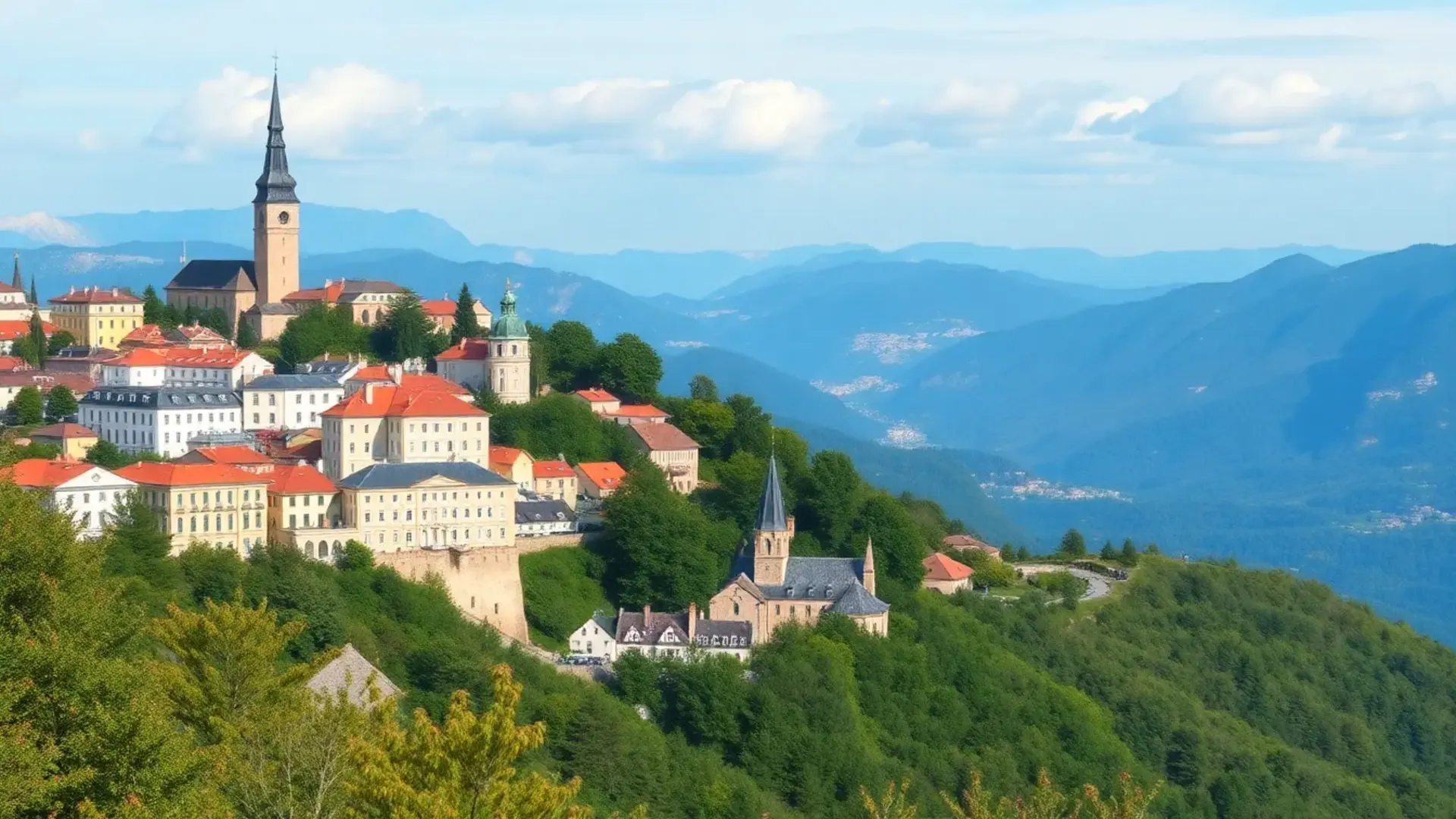
Why Open a Company in Slovenia
Slovenia has emerged as a promising destination for entrepreneurs, offering a strategic location, a stable economic environment, and seamless access to European markets. Its business-friendly policies, coupled with modern infrastructure, create an ideal setting for both startups and established companies looking to expand.
Discover the Benefits of Starting a Business in Slovenia
Slovenia’s membership in the European Union and its proximity to major European markets provide entrepreneurs with unmatched trade opportunities. The country’s well-educated workforce, robust infrastructure, and transparent regulatory system simplify the process of doing business. Furthermore, Slovenia offers competitive corporate tax rates and government incentives aimed at fostering innovation and investment. Entrepreneurs can also take advantage of Slovenia’s efficient transport network and its status as a logistics hub in Central Europe.
Identify Industries Thriving in the Slovenian Market
Slovenia’s manufacturing industry, especially in automotive parts and machinery, is thriving due to the country’s industrial expertise. Technology and IT startups are also benefiting from government innovation programs. Additionally, Slovenia’s tourism sector is flourishing because of its natural beauty and reputation as a sustainable travel destination. Entrepreneurs in these industries have strong market potential and abundant opportunities due to this exceptional growth.
Legal Requirements for Opening a Company in Slovenia
Understanding Slovenia’s legal requirements is essential for ensuring a smooth company formation process. From obtaining the right permits to selecting a suitable business structure, compliance with local regulations lays the foundation for successful operations.
Check the Necessary Permits and Licences
The type of permits and licences required depends on the nature of your business. For example, businesses in the food and beverage industry must comply with health and safety standards, while manufacturing enterprises may need environmental permits. It’s crucial to research industry-specific requirements and obtain all necessary approvals before commencing operations. Working with legal professionals familiar with Slovenian regulations can streamline this process.
Understand the Legal Forms Available for Businesses
The most common legal forms for businesses in Slovenia are sole proprietorships, partnerships, and limited liability companies (LLCs). Due to its limited liability protection and flexibility, the LLC (Družba z omejeno odgovornostjo or d.o.o.) is the preferred legal entity for entrepreneurs. Understanding the differences between these structures is key to selecting the one that aligns with your operational needs and long-term goals.
Steps to Register a Company in Slovenia
Registering your company is a critical step in establishing your presence in Slovenia. The process is designed to be straightforward, especially with the country’s efficient Business Register system.
Choose a Unique Name for Your Company
The first step in registration is selecting a name that reflects your business identity. The name must be unique and adhere to Slovenia’s naming guidelines, which prohibit offensive or misleading terms. Conducting a search through the Slovenian Business Register ensures that your chosen name is available and avoids potential conflicts with existing entities.
File Your Registration with the Slovenian Business Register
Once you’ve finalised your company name, the next step is to file your registration with the Slovenian Business Register. This involves submitting key documents such as the company’s articles of association, details of directors and shareholders, and proof of share capital. The registration process can be completed online or in person at one of the country’s One-Stop Shops for Entrepreneurs, making it both accessible and efficient.
Setting Up a Business Bank Account in Slovenia
Opening a business bank account is essential for managing your financial transactions and establishing credibility with clients and partners. Slovenia’s banking sector provides a range of options tailored to the needs of entrepreneurs.
Gather Required Documents for Your Bank Application
To open a business bank account, you’ll need to provide specific documentation, including your company registration certificate, tax identification number, and identification documents for authorised signatories. Some banks may also request a business plan or proof of operations, particularly for newly established companies. Ensuring that all documents are in order can expedite the application process.
Compare Banking Options for Your Company Needs
Slovenia offers both traditional banks and online banking platforms, allowing entrepreneurs to choose based on their preferences. Traditional banks such as NLB and Nova KBM offer comprehensive services, including loans and investment support. Meanwhile, digital banking platforms provide flexibility and lower fees, making them attractive for startups and small businesses. Evaluating these options helps identify the best fit for your financial management needs.
Tax Obligations When Opening a Company in Slovenia
Navigating Slovenia’s tax system is a key aspect of running a compliant and financially sound business. Understanding your obligations from the outset ensures smooth operations and avoids penalties.
Register for VAT and Corporate Taxes
Businesses operating in Slovenia must register for VAT if their annual turnover exceeds €50,000. VAT registration involves obtaining a tax identification number and complying with Slovenia’s VAT regulations, including issuing invoices and filing periodic returns. Additionally, corporate income tax is levied at a flat rate of 19%, making Slovenia competitive within the European Union. Entrepreneurs should familiarise themselves with these requirements early in the process.
Keep Up with Reporting and Filing Deadlines
In Slovenia, businesses have a legal obligation to submit timely tax reports, including annual corporate tax returns and periodic VAT declarations, which depend on their turnover. Failure to meet deadlines can result in financial penalties and harm a business’s reputation. To ensure compliance with reporting requirements and maintain accurate financial records, businesses can utilise accounting software or engage the services of a professional accountant.
Hiring Employees for Your Company in Slovenia
Building a skilled workforce is crucial for the success of your business in Slovenia. The country’s labour market offers a wealth of talent, but understanding employment regulations is vital to ensuring compliance and maintaining a productive work environment.
Meet the Requirements for Local and Foreign Hires
Employing workers in Slovenia involves specific requirements, whether you are hiring locally or bringing in foreign talent. For local hires, employers must draft employment contracts that outline terms such as salary, working hours, and job responsibilities. These contracts must comply with Slovenian labour laws. For foreign employees, work and residence permits are mandatory. The Slovenian government provides clear guidelines to facilitate the process of obtaining work permits, although the requirements vary based on the employee’s nationality and specific job role.
Understand Slovenia’s Labour Laws and Contracts
Slovenian labour laws are designed to protect employees’ rights while fostering a fair working environment. Employers are required to adhere to regulations on working hours, overtime pay, and social contributions. Fixed-term and indefinite-term contracts are the two primary forms of employment agreements. Understanding these legal nuances ensures that your hiring practices are compliant and that your employees’ rights are respected.
Finding the Right Location for Your Company in Slovenia
Choosing the right location is a strategic decision that can significantly impact your business’s success. Slovenia’s diverse regions offer unique opportunities depending on your industry and operational needs.
Choose Between Renting or Purchasing Office Space
Entrepreneurs can either rent or purchase office space based on their budget and long-term plans. Renting provides flexibility and requires lower upfront costs, making it ideal for startups. Purchasing, on the other hand, offers stability and can be a good investment for businesses planning to establish a permanent presence. Factors such as location, accessibility, and amenities should be considered when making this decision.
Consider Locations That Suit Your Business Operations
The choice of location should align with your business’s operational requirements. For example, companies in manufacturing or logistics may prefer proximity to major transport hubs, while tech startups might thrive in urban centres with access to skilled labour and innovation hubs. Ljubljana, Maribor, and Koper are some of the most popular cities for business due to their infrastructure and economic activity.
Business Support Services in Slovenia
Entrepreneurs can find assistance navigating the complexities of starting and running a business in Slovenia through a variety of business support services. These resources offer valuable aid in areas such as funding, training, and operational support.
Access Government and Private Sector Support Programs
The Slovenian government provides active support to entrepreneurs through a range of initiatives, including grants, tax incentives, and low-interest loans. Agencies such as SPIRIT Slovenia offer guidance on starting and expanding a business, as well as securing funding. Private sector organisations, including business incubators and accelerators, also provide mentorship, networking opportunities, and financial support for startups.
Use Local Resources for Training and Funding
Entrepreneurs can benefit greatly from local resources such as co-working spaces and training workshops to expand their knowledge and skills. Programs tailored to specific industries can help you stay competitive and up-to-date with market trends. Furthermore, to bolster your business growth, you can investigate financial support options available through local banks and venture capital firms.
Promoting Your Company in Slovenia
Effective promotion is essential for establishing your brand and attracting customers in the Slovenian market. Leveraging digital tools and building strategic partnerships can give your business a competitive edge.
Use Digital Marketing to Reach Your Target Audience
Digital marketing can effectively reach Slovenian customers. Engage your target audience and increase brand awareness with strategies like SEO, social media and email marketing. Cost-effective advertising campaigns can be run on popular platforms like Facebook, Instagram, and LinkedIn.
Build Partnerships to Grow Your Business Network
Success in the Slovenian business world depends on building strong relationships. By forming partnerships with local companies, industry associations, and government bodies, you can unlock new opportunities and resources. Attending events like trade fairs, business forums, and networking functions helps you connect with potential collaborators and establish a strong market presence.
Common Challenges When Opening a Company in Slovenia
While Slovenia is a business-friendly destination, entrepreneurs may encounter challenges that require careful planning and professional support to overcome.
Avoid Delays with Proper Planning and Documentation
A common challenge when forming a company is ensuring that all documentation is complete and complies with Slovenia’s legal standards. Incomplete or incorrect paperwork can result in delays, additional costs, and administrative issues. To ensure a smooth process, it is advisable to prepare all necessary permits, licenses, and registration documents in advance and seek guidance from legal or business advisors.
Overcome Language Barriers with Professional Support
Although English is widely spoken in Slovenia’s business community, language barriers can still arise, particularly when dealing with official documents or government authorities. Hiring a translator or working with local professionals who are fluent in Slovenian can help bridge this gap. This ensures that communication is clear and that you fully understand the legal and administrative requirements.
FAQs
Why should I open a company in Slovenia?
Slovenia offers a strategic location in Central Europe, access to EU markets, and a business-friendly environment. Its well-educated workforce, robust infrastructure, and government support programs make it an ideal destination for entrepreneurs looking to establish or expand their businesses.
What types of businesses are popular in Slovenia?
Industries such as manufacturing, technology, tourism, and logistics are thriving in Slovenia. The country’s expertise in automotive components, innovative startups, and sustainable tourism provides significant opportunities for entrepreneurs across these sectors.
How long does it take to register a company in Slovenia?
Registering a company in Slovenia is a quick process, often taking less than a week if all required documents are in order. The Slovenian Business Register’s efficient system and online registration options make the process convenient for entrepreneurs.
Do I need to reside in Slovenia to open a company?
No, you do not need to reside in Slovenia to open a company. However, you must appoint a representative with a Slovenian address for official correspondence. This can be done through a professional service or by partnering with a local individual.
What are the costs associated with starting a business in Slovenia?
Costs include registration fees, capital requirements for certain business structures, and any permits or licences needed for your industry. Additionally, you may incur expenses for office space, banking, and professional services. Planning your budget carefully helps ensure a smooth start.