

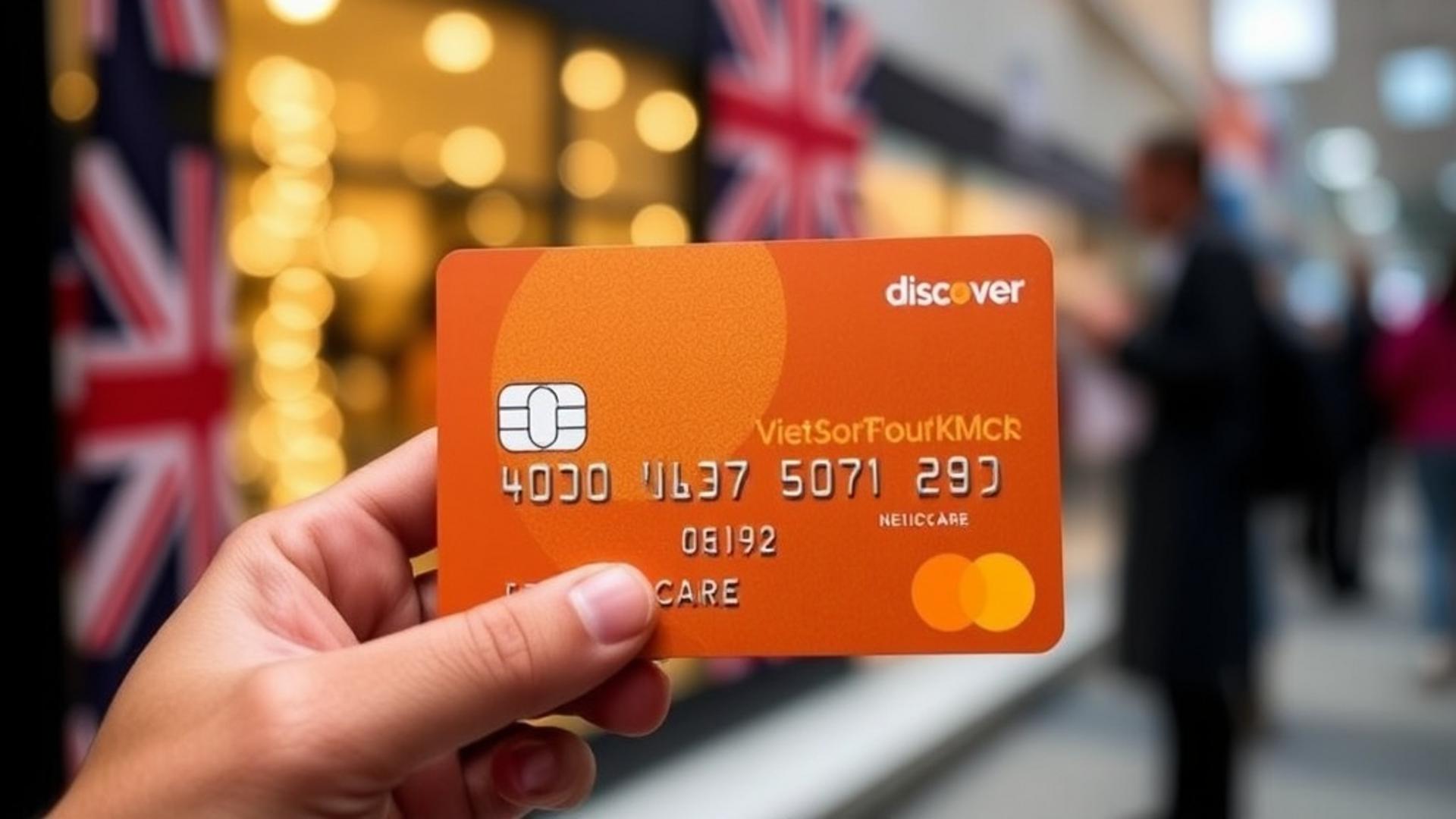
What do you do if you lose your debit card?
Misplacing a debit card can be a nerve-wracking experience, especially when you urgently need access to your money. The immediate concern revolves around how to withdraw cash without your card. This article delves into the alternative methods for accessing your funds when you find yourself without your debit card.
Understanding the various ways to get cash without your debit card is crucial. Not only does it provide peace of mind, but it also ensures you’re not stranded in a financial bind. Let’s explore the steps you should take right after losing your card and the options available to retrieve your money, providing you with a sense of relief that there are alternative methods.
What should I do first after losing my debit card?

Here are the immediate steps you need to take to protect your money.
Report the loss immediately
The first and foremost action is to report the loss to your bank as soon as you realize your card is missing. This is vital in preventing any unauthorized transactions that could drain your account. Most banks have a dedicated hotline or online platform for reporting lost or stolen cards, giving you a sense of control over the situation.
Notifying your bank promptly safeguards your finances against fraudulent activities. The sooner you act, the better protected your funds will be.
Freeze or cancel the card
Once you’ve reported the loss, the next step is to freeze or cancel your debit card. Many banks offer the convenience of doing this through mobile apps or online banking platforms.
Freezing the card temporarily halts any transactions, giving you time to locate it if it’s merely misplaced. Canceling, on the other hand, completely deactivates the card to prevent further usage. Banks typically provide both options, allowing you to choose based on your situation and ensuring your account remains secure.
How can I withdraw money from my checking account without a debit card?
Losing your debit card can feel overwhelming, but don’t worry—you still have options. Here’s how you can withdraw money from your checking account even without your card.
Visit a bank branch
You can also use other methods to access your cash without a debit card. Many banks offer cardless ATM withdrawals, which allow you to withdraw money using a mobile banking app or a one-time code sent to your phone. Additionally, if your bank supports online transfers, you can send money to a trusted friend or family member who can withdraw the cash for you. Another option is to use check cashing services or request a temporary ATM card from your bank if available.
Use a bank teller to withdraw cash
Approaching a bank teller is another method to withdraw money without your card. Here’s how you can do it:
- Visit your bank and head to the teller line.
- Inform the teller that you wish to make a cash withdrawal.
- Present your identification and provide your account number.
- If required, fill out a withdrawal slip or use your checkbook.
Having a checkbook can be particularly handy. Writing a check to “Cash” lets the teller give you the requested amount directly from your account. This method is quick and efficient, ensuring you get the cash you need without any hassle.
Write a check
Writing a check to “Cash” is a traditional yet effective way to withdraw money. Here’s how you can do it:
- Take your checkbook and write a check payable to “Cash.”
- Fill in the amount you need and sign the check.
- Present the check and your ID to the bank teller.
Keep in mind that some banks may charge a fee for cashing a check, especially if you’re not doing it at your own bank. Ensure you have your identification on hand, as it’s necessary for the transaction.
What are other ways to access cash without a debit card?
Here are alternative methods to access your funds without a debit card.
ATM access using a mobile app
Many banks now offer cardless ATM access through their mobile apps, allowing you to withdraw cash without a physical card. This method is secure, as the code is temporary and expires after a single use. It provides a convenient alternative when you need cash but don’t have your debit card. Here’s how it works:
- Go to your bank’s mobile app and select the cardless ATM option.
- Follow the prompts to generate a unique code or QR code.
- Go to a compatible ATM and enter the code. You can also scan the QR code and follow the on-screen instructions.
Wire transfers
Wire transfers are another way to move funds to an account you can access. They are typically processed quickly, often within the same day, allowing you to access your funds promptly. However, be aware of the fees banks usually charge for this service.
Here’s how you can do it:
- Initiate a wire transfer through your bank’s online platform or by visiting a branch.
- Provide the necessary details, such as the recipient’s name, bank account number, and routing number.
- Pay any associated fees and confirm the transfer.
Money transfer services
Money transfer services,, such as Western Union, MoneyGram, etc., can also receive cash without a debit card. These services are widely available and offer a reliable way to send and receive money when you don’t have access to your debit card. Here’s the process:
- Set up a transfer online or at a physical location by providing the recipient’s details.
- Pay the transfer amount and any service fees.
- The recipient can then pick up the cash at a designated location by showing a valid ID and the transaction reference number.
Cash a check at a retailer
Additionally, some major retailers and grocery stores provide cash-back options when making a purchase with a credit card or a digital wallet linked to your bank account. This method allows you to access cash without needing a debit card or visiting a bank. However, it’s essential to check for any fees or limits associated with cash-back transactions. If you frequently need cash without a debit card, consider using mobile payment apps or prepaid debit cards as alternative solutions.
What do you do if you lose a business debit card?

Losing a business debit card can be a stressful experience, as it disrupts daily operations and also poses a risk to your company’s finances. Here’s what to do if you lose a corporate card:
Report the loss & freeze the card
In addition to freezing or canceling your card, ask your bank about issuing a temporary replacement or expedited shipping for a new card. Many banks also provide virtual debit cards, which can be used for online transactions while you wait for a physical replacement. It’s also wise to monitor your account for any suspicious activity and update your payment details for any recurring subscriptions linked to your lost card.
Notify stakeholders
Keeping your business partners and employees informed is crucial to maintaining financial security. Advise them to stay vigilant for any unusual transactions and update any affected payment methods if necessary. If your business relies on the lost debit card for transactions, consider setting up alternative payment solutions, such as wire transfers, mobile payment apps, or temporary cards. Encouraging employees to follow best security practices, like using strong passwords and enabling multi-factor authentication, can also help safeguard business finances.
Monitor for unauthorized transactions
In addition to monitoring your account for suspicious activity, consider setting up account alerts through your bank’s mobile app or online banking platform. These alerts can notify you of any unauthorized transactions, large withdrawals, or unusual login attempts. Reviewing your bank statements frequently can also help you spot discrepancies early. If you notice any unauthorized charges, report them immediately to your bank to prevent further financial loss. Taking proactive measures like updating your passwords and enabling two-factor authentication can further enhance the security of your account.
Update payment information
Updating payment details for recurring transactions is essential to prevent service disruptions and maintain business operations. Start by reviewing all subscriptions, vendor payments, and automated billings linked to the lost or compromised card. Contact service providers and update your payment method using a new debit card, credit card, or an alternative payment solution like direct bank transfers or digital wallets. Additionally, keep records of these changes to avoid missed payments or penalties. If your bank offers a virtual card, consider using it for online subscriptions to enhance security and minimize risks in the future.
Enhance security measures
To protect your finances, it is essential to implement security measures such as setting up transaction alerts, using separate cards for online purchases, and establishing daily spending limits. Enabling real-time transaction alerts through your bank’s mobile app or online platform helps you monitor your account activity and quickly detect any unauthorized transactions or unusual spending patterns. Additionally, using a dedicated card for online purchases minimizes risk, as it limits exposure in case of a data breach or fraud. Opting for virtual or prepaid cards further enhances security by keeping your primary bank account protected. Establishing daily spending limits is another effective way to safeguard your funds, as it restricts the amount that can be withdrawn or spent in a single day, reducing potential losses in case of unauthorized access. By implementing these financial protection strategies, you can strengthen account security and minimize risks associated with fraud or cyber threats.
Where do I find my routing and account numbers without a debit card?
Withdrawing cash without a debit card often requires knowing your bank’s routing and account numbers. Here are several ways to find that information:
Checkbook
Look at the bottom of your checks. The long number on the far left is your bank routing number, and the long number in the middle is your account number. The shorter number on the right is the check number.
Bank website
Sign in to your bank account online to access your account and routing numbers. If you need help finding them, search the help section or contact customer service.
Mobile app

Log in to your bank’s mobile app to view your account and routing numbers.
Bank branch
Visit your bank or credit union in person. With proper identification, the bank can provide your routing and account numbers.
How much money can I withdraw from a checking account without a debit card?
Banks typically limit ATM withdrawals to between $300 and $1,000 per 24-hour period to protect your account from theft. These limits vary depending on your bank and your checking account type.
To confirm your bank’s withdrawal limits, check with your bank or credit union before heading to the ATM. If you need more cash than the ATM limit allows, visit your bank or credit union in person; withdrawal limits are usually higher when you get money from a teller.
How do I protect my debit card and account information?
Here are some tips you can follow to protect your debit card and account information.
Enable notifications and alerts
Setting up account alerts is the best way to monitor your account for suspicious activity. Most banks offer customizable notifications via email or SMS, alerting you to any unusual transactions. This real-time monitoring helps you catch and address unauthorized transactions swiftly, minimizing potential damage.
Use mobile wallets
Using mobile wallets like Apple Pay or Google Pay provides a convenient and secure backup for accessing your funds. These digital wallets can store your card information and allow you to make payments without needing your physical card.
Keep emergency cash
Keeping a small amount of emergency cash in a secure place can be a lifesaver in situations where you cannot access your debit card or bank account. This cash reserve ensures that you have funds available for immediate needs while you resolve any issues with your card.
Regularly monitor account activity
Regular account monitoring is crucial in quickly detecting unauthorized transactions. Review your bank statements and online account activity frequently. This vigilance allows you to spot any discrepancies early and take prompt action to secure your account.
Conclusion
In conclusion, losing a debit card can be an inconvenient and stressful experience, but knowing the steps to take reduces the risks and ensures you still have access to your funds. Promptly reporting a lost card, understanding alternative methods to withdraw money, and taking preventive measures are essential in safeguarding your finances.
Simplify your business finances today
Set up a low-cost business account in just 5 minutes with OneMoneyWay so you can focus on growth for your business.
FAQs
Can I withdraw cash if I lose my card?
Yes, you can withdraw cash by visiting your bank branch with a valid ID, using a bank teller, or utilizing cardless ATM options provided by some banks via mobile apps.
Can I get cash without my debit card?
Absolutely. You can access cash by writing a check to “Cash,” using money transfer services like Western Union, or performing a wire transfer to another account.
Can someone withdraw money with my lost ATM card?
Yes, if someone finds your lost ATM card and knows your PIN, they can withdraw money. Report the loss immediately to your bank to prevent unauthorized access.
Can someone use my lost debit card?
Yes, if your debit card is lost, it can be used for purchases if the person knows the PIN or if the card doesn’t require a PIN for transactions. Cancel or freeze the card immediately to prevent misuse.
What is the emergency cash withdrawal?
Emergency cash withdrawal is a service offered by some banks that allows you to access a limited amount of cash from your account without your debit card, usually through bank branches or select ATMs.