


How does Pix Brazil’s instant payment system work?
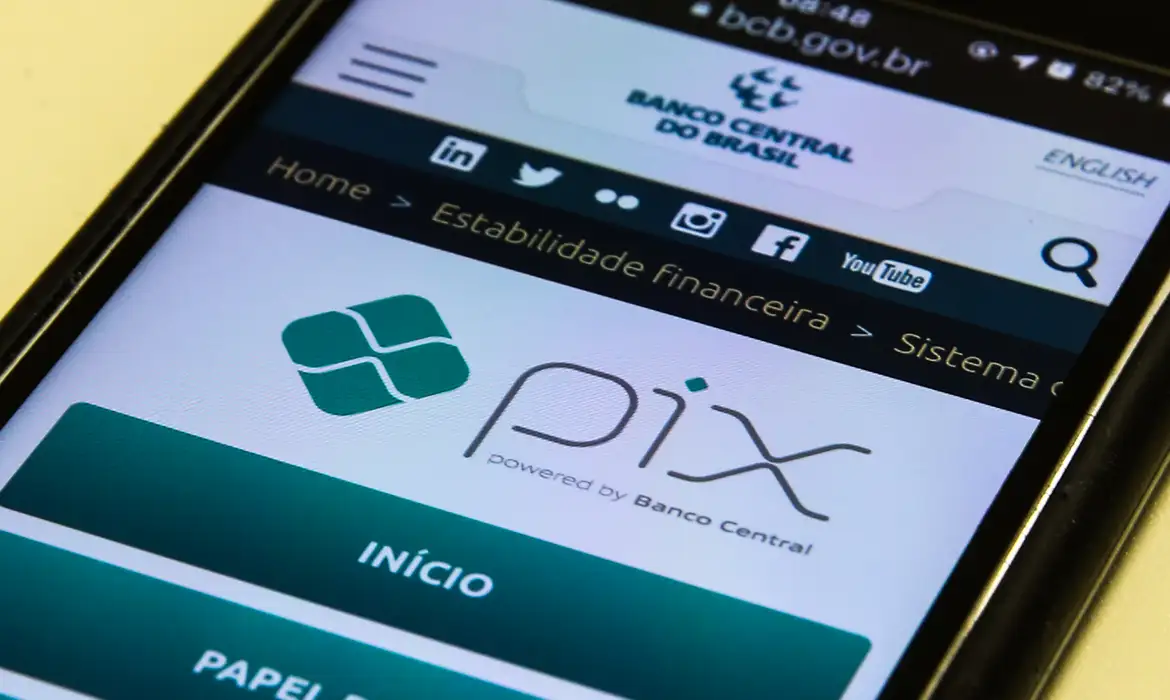
The Brazilian financial landscape has undergone a major transformation with the introduction of Pix, an innovative instant payment system developed by the Central Bank of Brazil. Launched in 2020, Pix enables individuals and businesses to send and receive money instantly, 24/7, with minimal or no transaction fees. By eliminating the need for intermediaries and reducing processing time, Pix has significantly improved the efficiency of digital transactions. This system has quickly become a preferred payment method, driving Brazil toward a more cashless economy.
The origin and evolution of Pix Brazil
Pix was conceived as part of the Brazilian Central Bank’s efforts to modernize the financial sector and promote financial inclusion. Before its launch, digital transactions in Brazil were often slow, expensive, and restricted to banking hours. Recognizing the need for a more efficient and accessible payment system, the Central Bank initiated the development of Pix with a focus on affordability, security, and ease of use.
The platform’s launch was preceded by extensive collaboration between government agencies, financial institutions, and fintech companies to create a secure and reliable infrastructure. Since its introduction, Pix has been continuously updated to meet the evolving demands of digital finance. Features such as QR code payments, seamless business integrations, and enhanced security protocols have made it a game-changer in the industry. Its success has set a new benchmark for real-time payment systems across Latin America.
Key features that make Pix stand out
Pix offers a range of features that cater to both individuals and businesses, making it a versatile and inclusive payment solution. Unlike traditional banking methods, Pix allows transactions to be completed in real time, even during weekends and holidays. Users can make payments through a variety of methods, including mobile apps, QR codes, and personal identification keys such as email or phone numbers.
One of the standout aspects of Pix is its affordability. Many transactions can be carried out free of charge, particularly for individuals, making it an attractive alternative to credit cards and traditional bank transfers. Additionally, Pix is not limited to bank account holders—digital wallets and fintech platforms also support it, further broadening its reach.
The role of Pix in financial inclusion
One of the primary goals of Pix is to bridge the financial gap for unbanked and underbanked populations in Brazil. Many individuals in rural and low-income areas lack access to traditional banking services due to high fees or logistical challenges. Pix provides a solution by allowing anyone with a smartphone and internet access to participate in the digital economy.
The ease of registration and the elimination of complex banking requirements have encouraged millions of Brazilians to adopt Pix, fostering greater economic participation. Government agencies have also utilized Pix for disbursing aid and tax payments, demonstrating its potential to streamline public financial services.
How Pix is shaping the future of payments in Brazil
The impact of Pix extends beyond just simplifying transactions; it is reshaping consumer behavior and business operations. Many businesses have embraced Pix as their preferred payment method, reducing dependency on cash and credit card processing fees. The adoption of Pix has also encouraged innovation in Brazil’s fintech sector, with startups and financial institutions developing new services to integrate with the system.
Security remains a top priority, and the Central Bank continues to enhance fraud prevention measures and data protection protocols. With ongoing updates and new functionalities being introduced, Pix is expected to further evolve, offering even greater convenience and efficiency to users.
The global influence of Pix
The success of Pix has not gone unnoticed on the international stage. Countries looking to modernize their payment infrastructure have studied Brazil’s model, recognizing its potential to improve financial accessibility and streamline economic transactions. The rapid adoption of Pix highlights the growing demand for real-time payment solutions and sets a precedent for future innovations in digital finance.
As Brazil continues to embrace the digital economy, Pix remains at the forefront of this transformation. By providing a fast, secure, and cost-effective way to transfer money, it has become an essential tool for millions and a significant milestone in the country’s financial evolution.
The role of Pix keys in simplifying transactions
The introduction of Pix keys has significantly transformed how people send and receive money in Brazil. These unique identifiers, such as phone numbers, email addresses, CPF numbers, or randomly generated codes, have eliminated the need to share complex bank details. By simplifying transactions, Pix keys have made digital payments more accessible, particularly for those unfamiliar with traditional banking procedures.
Instead of manually entering long account numbers, users can initiate payments quickly using just a Pix key. This efficiency has encouraged a broader demographic, including older generations and less tech-savvy individuals, to embrace digital transactions. The ease of use has also played a crucial role in promoting financial inclusion, allowing more people to participate in the formal economy.
How Pix Brazil transforms financial transactions
Pix has revolutionized Brazil’s financial landscape by offering a fast, secure, and cost-effective alternative to traditional payment methods. Unlike conventional bank transfers, which can take hours or even days to process, Pix transactions are instantaneous. This immediate access to funds has been a game-changer for both individuals and businesses, improving cash flow and enhancing overall financial efficiency.
Speed and efficiency in payments
One of the most significant advantages of Pix is its speed. Transactions are processed in real-time, allowing users to send and receive money within seconds, regardless of their financial institution. This is particularly beneficial for emergencies, online shopping, and daily transactions, where waiting for funds to clear can be inconvenient.
For businesses, the ability to receive instant payments means they no longer have to deal with delayed transactions or pending confirmations. This seamless payment experience enhances customer trust and satisfaction, fostering a more dynamic and efficient economy.
How businesses benefit from Pix
Businesses across various sectors have quickly integrated Pix into their payment systems due to its convenience and cost-effectiveness. Whether it’s a local vendor, an e-commerce platform, or a large corporation, the benefits of accepting Pix payments are numerous.
- Improved cash flow: Since Pix transactions are instant, businesses no longer experience payment delays, which can be crucial for maintaining operations.
- Seamless e-commerce transactions: Online retailers benefit significantly from Pix, as payments are processed in real-time, allowing faster order confirmations and deliveries.
- Reduced dependence on card payments: Many businesses have historically relied on credit and debit card transactions, which involve processing fees. Pix offers a free or low-cost alternative, helping companies save on transaction fees.
- Accessibility for small businesses: Smaller vendors, street markets, and self-employed individuals can accept digital payments easily without needing expensive point-of-sale machines or extensive banking infrastructure.
Cost-effectiveness for users
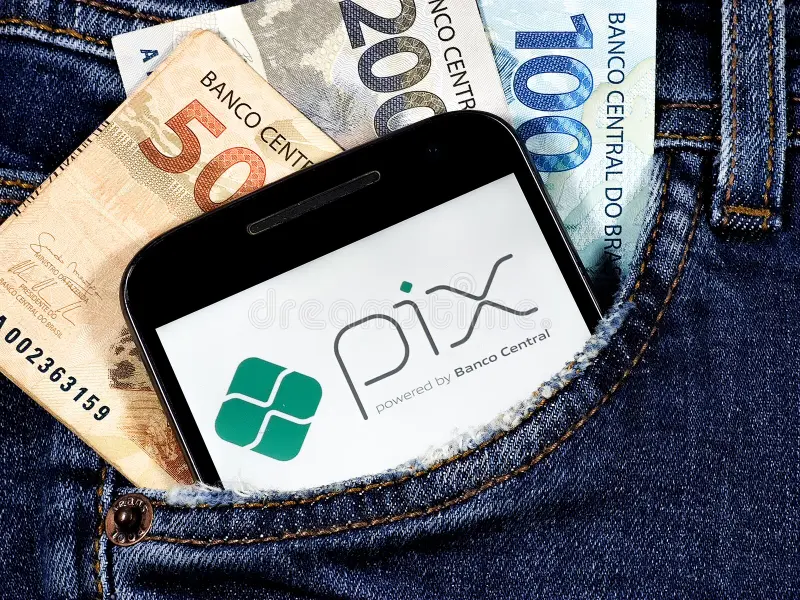
Pix has been a breakthrough in reducing financial transaction costs, making digital payments more affordable for everyone. Unlike traditional banking systems that often charge fees for transfers, Pix is generally free for individuals and incurs minimal costs for certain business transactions. This affordability has made Pix an attractive option for a wide range of users.
Financial savings for individuals and businesses
For individuals, Pix provides a free alternative to bank transfers, allowing them to manage their finances without worrying about additional costs. This is particularly beneficial for students, freelancers, and low-income earners who need a cost-effective way to send and receive money.
Businesses, especially small enterprises, also benefit from reduced transaction fees. The money saved from avoiding high banking fees can be reinvested into business growth, employee salaries, or customer incentives. This economic advantage contributes to a more sustainable and thriving business environment.
The long-term economic impact of Pix
By making digital transactions more accessible and affordable, Pix is contributing to Brazil’s economic growth. The reduction in banking fees and transaction costs means that more people can participate in the financial system, leading to increased economic activity. A cashless society is emerging, with digital transactions becoming the preferred method for many Brazilians.
Additionally, the increased use of Pix has led to better financial record-keeping, which can benefit individuals and businesses alike. With clearer transaction histories, financial planning and credit evaluations become easier, leading to improved access to loans and financial services.
Adoption and growth of Pix Brazil
The adoption of Pix has grown at an unprecedented rate, with millions of Brazilians using it as their primary payment method. The convenience, affordability, and efficiency of Pix have made it a household name, and its popularity continues to rise.
User statistics and demographics
Pix has gained widespread acceptance across various demographics, from young adults to senior citizens. It has bridged the digital divide, making online payments accessible even to those who were previously hesitant to use banking services. The ease of use and security features have encouraged trust in the system, contributing to its rapid growth.
Notably, the adoption of Pix is not limited to urban areas. Many rural communities have embraced the platform, using it for everything from small-scale trade to paying utility bills. This widespread adoption highlights the platform’s effectiveness in promoting financial inclusion.
Integration with businesses and services
Businesses across different sectors have embraced Pix as a preferred payment method. Retail stores, service providers, government institutions, and even healthcare facilities now accept Pix payments. This integration has made it easier for consumers to use Pix for everyday transactions, further solidifying its role in the Brazilian economy.
The government has also encouraged the use of Pix for tax payments and other official transactions, streamlining bureaucratic processes and reducing reliance on cash-based systems. As more services incorporate Pix, the financial ecosystem in Brazil continues to evolve toward a more digitized and efficient model.
Comparing Pix Brazil to traditional payment methods
Pix offers several advantages over conventional payment methods like bank transfers, credit cards, and cash. Unlike credit cards, which come with processing fees and potential interest charges, Pix transactions are typically free or low-cost. Additionally, while bank transfers are often restricted by business hours, Pix operates 24/7, giving users complete flexibility over their finances.
Furthermore, cash transactions, though still common, present security risks and logistical challenges. Pix eliminates these concerns by providing a secure and digital way to handle payments, reducing the risks associated with carrying physical money.
The future of Pix in Brazil’s financial landscape
As digital finance continues to evolve, Pix is poised to play an even greater role in Brazil’s financial system. The potential for further integration with international payment networks, enhanced security features, and additional functionalities such as scheduled payments and installment options could further expand its utility.
With the growing trust and reliance on Pix, Brazil is setting an example for other countries looking to modernize their payment systems. The success of Pix demonstrates that a well-designed, government-backed digital payment system can revolutionize an economy, making financial transactions faster, safer, and more inclusive for all.
Advantages of credit and debit cards
Credit and debit cards have long been a staple of modern financial transactions, offering convenience and security to users worldwide. However, they come with their own set of limitations, including interest rates, transaction fees, and occasional restrictions based on financial institutions’ policies. Unlike these traditional payment methods, Pix operates free of charge for most transactions and is available 24/7, making it a preferred option for individuals and businesses looking for a cost-effective and seamless payment system. The elimination of hidden fees and the absence of interest charges provide users with greater financial flexibility, making Pix a revolutionary alternative in the payment industry.
The shift away from cash in Brazil
The increasing adoption of Pix has significantly reduced the reliance on cash transactions in Brazil. As digital payments become more widely accepted and trusted, many consumers and businesses are moving away from physical currency. This transition is pushing Brazil closer to a cashless economy, aligning it with global trends in digital finance. The ease of use and accessibility of Pix make it an attractive choice, particularly for small businesses and individuals who previously depended on cash for everyday transactions. This shift also contributes to greater financial transparency, reducing issues related to tax evasion and untraceable transactions.
Strengthening security in Pix transactions
Security is a cornerstone of Pix’s operations, with the Central Bank of Brazil implementing numerous measures to protect users and their transactions. Encryption protocols, two-factor authentication, and real-time monitoring are standard security features that help safeguard transactions against fraud. Unlike traditional banking methods, which can sometimes have vulnerabilities, Pix’s dynamic security framework ensures continuous protection. The system is regularly updated to address emerging threats, reinforcing user confidence in the platform’s safety.
Strategies for fraud prevention
To mitigate fraudulent activities, Pix employs advanced fraud prevention techniques, including transaction limits based on user profiles. These limits help prevent unauthorized transfers and minimize financial risks. Additionally, machine learning algorithms analyze transaction patterns in real-time to detect anomalies that may indicate fraudulent behavior. If suspicious activity is identified, Pix can automatically block transactions or flag them for further review, enhancing security.
Educating users for better security
Beyond technological measures, the Central Bank has launched initiatives to educate users about safe Pix usage. Public awareness campaigns provide essential information on recognizing phishing attempts, securing accounts, and reporting suspicious activities. These efforts help users develop safe financial habits, reducing the likelihood of fraud and identity theft.

The global potential of Pix
Pix’s remarkable success in Brazil has drawn international attention, with many experts suggesting that similar instant payment systems could be implemented in other countries. The potential for Pix to facilitate cross-border transactions in the future is particularly promising. If successfully integrated with international payment networks, Pix could offer a seamless and cost-effective way for Brazilians to conduct transactions globally, further promoting financial inclusion and economic growth.
Expanding into cross-border payments
While Pix currently operates only within Brazil, discussions are underway regarding its expansion into international markets. By integrating with global payment networks, Pix could provide users with a convenient and affordable solution for sending and receiving money across borders. This could prove especially beneficial for expatriates, businesses engaged in international trade, and individuals who frequently conduct cross-border transactions.
Partnering with global payment providers
To enhance its global reach, Pix may collaborate with established international payment platforms such as PayPal, Visa, and Mastercard. These partnerships could pave the way for seamless integration with global financial systems, allowing Pix users to conduct transactions with individuals and businesses worldwide. Such collaborations could also help Pix remain competitive against other widely used digital payment methods.
Challenges in maintaining Pix’s success
Despite its rapid adoption and widespread success, Pix faces several challenges that must be addressed to ensure its long-term sustainability. Technical issues, operational constraints, and regulatory compliance remain key areas of concern as Pix continues to expand.
Overcoming technical and operational hurdles
As a high-volume payment platform, Pix occasionally experiences technical difficulties, such as transaction delays and temporary service disruptions. Ensuring system stability and minimizing downtime is crucial for maintaining user trust. Additionally, as Pix scales to accommodate a growing number of users, further investment in infrastructure and innovation is required to sustain its efficiency.
Adapting to regulatory requirements
Pix operates within a strict regulatory framework established by the Central Bank of Brazil. While compliance with these regulations is necessary for maintaining security and transparency, future expansions and integrations may introduce new regulatory challenges. Adapting to international financial regulations will be essential if Pix seeks to establish itself as a global payment solution.
The future of Pix and its continued growth
The outlook for Pix remains highly promising, with ongoing efforts to enhance its features and expand its reach. The Central Bank is actively working on updates that will make Pix even more versatile and user-friendly, ensuring its continued relevance in an evolving digital landscape.
Innovations on the horizon
Several upcoming features are expected to enhance the Pix experience for users. These include scheduled payments, automatic debits, and additional layers of security to further protect transactions. These enhancements will cater to a wider range of financial needs, making Pix more appealing to both individuals and businesses.
Expanding financial inclusion
One of Pix’s primary goals is to reach underserved populations, including unbanked individuals and those in remote areas with limited access to traditional banking services. By making digital payments more accessible, Pix can play a vital role in driving financial inclusion and fostering economic participation across all segments of society.
As Pix continues to evolve, its influence on Brazil’s financial landscape—and potentially the global economy—will only grow stronger. With the right strategies in place, Pix has the potential to redefine how digital payments are conducted, setting a new standard for convenience, security, and accessibility in the financial world.
Impact of Pix Brazil on the financial ecosystem
Pix has significantly transformed Brazil’s financial landscape, reshaping the way individuals and businesses handle transactions. By offering a cost-effective and efficient alternative to traditional banking services, Pix has forced financial institutions to rethink their strategies and prioritize innovation. This digital payment system has not only revolutionized banking but has also influenced fintech companies, businesses, and everyday users in unprecedented ways.
How banking institutions have adapted
Traditional banks have been among the most affected by Pix’s widespread adoption. Before its introduction, banks relied heavily on transaction fees and service charges as primary revenue streams. With Pix offering free and instant transactions, banks have had to find new ways to attract and retain customers.
Many banks have responded by enhancing their digital services, introducing customer-centric solutions, and launching loyalty programs. To remain competitive, they have also prioritized the development of faster, more user-friendly apps and expanded their range of financial products. The focus has now shifted towards providing seamless customer experiences and offering incentives like cashback programs and exclusive perks to differentiate themselves in the evolving market.
The impact on fintech companies
Fintech companies have embraced Pix as an opportunity to expand their services and reach a broader customer base. By integrating Pix into their platforms, fintech firms can provide instant and secure transactions, aligning with their goal of making financial services more accessible.
While Pix has intensified competition, it has also created new possibilities for collaboration. Some fintech companies now work alongside traditional banks to offer enhanced financial solutions. Others have launched Pix-exclusive services, such as automated savings tools and micro-loan platforms, leveraging the system’s efficiency to introduce more innovative products.
Additionally, the rise of Pix has encouraged fintech firms to explore blockchain technology, cryptocurrency integration, and advanced security measures to ensure transaction safety. As a result, Brazil’s fintech sector has become more dynamic, pushing the boundaries of digital finance.
User experiences with Pix Brazil
The rapid adoption of Pix has led to a surge in user feedback, highlighting both its advantages and areas that need improvement. Consumers and businesses alike have embraced Pix for its speed, convenience, and cost-effectiveness. However, some challenges, such as security concerns and fraud risks, remain areas of discussion.
How individuals benefit from Pix
For individual users, Pix has eliminated the hassle of traditional money transfers. Transactions that once required bank visits or hefty fees can now be completed instantly from a smartphone. Users particularly appreciate that Pix operates 24/7, allowing them to send money even on weekends or holidays without delays.
Many people now rely on Pix for everyday transactions, such as paying for groceries, splitting restaurant bills, and handling utility payments. Its simplicity and real-time processing have made financial interactions more fluid, reducing dependency on cash and improving financial inclusion across Brazil.
The role of Pix in business transactions
Businesses, particularly small and medium-sized enterprises (SMEs), have greatly benefited from Pix. The ability to receive payments instantly has significantly improved cash flow, reducing reliance on credit and expensive point-of-sale systems. Entrepreneurs can now accept payments with just a phone number or QR code, cutting down operational costs and simplifying bookkeeping.
Customers also appreciate the ease of paying with Pix, leading to increased satisfaction and loyalty. Some businesses have reported an uptick in sales as consumers are more willing to make purchases when an instant, hassle-free payment option is available. However, concerns about fraud and cybersecurity have prompted many businesses to invest in additional security measures to protect their transactions.
Getting started with Pix Brazil
Using Pix is straightforward and accessible to anyone with a bank account or digital wallet. The system was designed to be user-friendly, ensuring that even those unfamiliar with online banking can register and use it with ease.
Steps to register for Pix
To begin using Pix, individuals and businesses need to register a Pix key, which acts as a unique identifier. This key can be linked to a phone number, email address, CPF (Brazilian individual taxpayer registry), or even a randomly generated code. The registration process is quick, typically completed through a banking app or online banking portal.
Once registered, users can send and receive money instantly, scan QR codes for payments, and utilize Pix for various financial transactions. Most banks and fintech apps offer dedicated support to help new users navigate the process.
Maximizing the benefits of Pix
To make the most of Pix, users should explore different ways to leverage its features. For instance, having separate Pix keys for personal and business transactions can help in better financial management. Additionally, staying informed about the latest updates and security recommendations can ensure safe and efficient use of the platform.
For businesses, integrating Pix into e-commerce platforms and payment gateways can enhance customer experience and streamline transactions. Taking advantage of the real-time nature of Pix allows for better inventory management, faster refunds, and increased financial transparency.
The future of Pix in Brazil
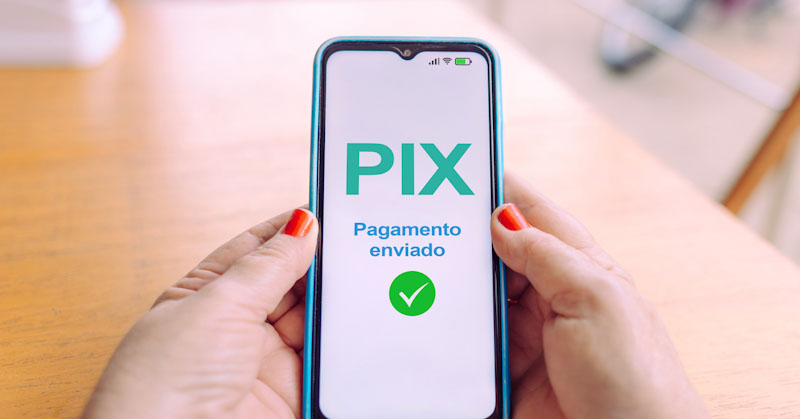
Pix has already reshaped the financial ecosystem, but its influence is expected to grow further. The Brazilian Central Bank continues to introduce new features, such as Pix Crédito (credit payments) and scheduled transactions, which will expand its functionality. There are also discussions about integrating Pix with international payment networks, potentially enabling cross-border transactions.
As financial institutions, fintech companies, and businesses continue to adapt, Pix’s role in the Brazilian economy will only strengthen. Its success serves as a model for other countries exploring instant payment solutions, solidifying Brazil’s position as a leader in digital finance.
FAQs
What is Pix Brazil, and how does it work?
Pix, an innovative payment system created by the Central Bank of Brazil, revolutionises financial transactions by enabling real-time money transfers, 24 hours a day, 7 days a week, at minimal or no additional charges, offering unparalleled convenience and cost-effectiveness for users. Transactions are completed in seconds and can be initiated through a Pix key linked to the user’s bank account.
How do I register for pix?
To register, users can create a Pix key through their bank’s app or website. This key can be their phone number, email, or a random identifier, allowing for quick and easy transactions.
Is Pix secure for users?
Yes, Pix has multiple security measures in place, including two-factor authentication, encryption, and fraud monitoring. The Central Bank also runs awareness campaigns to educate users about safe practices.
Can I use Pix for business transactions?
Yes, Pix supports both personal and business transactions. Many companies in Brazil accept Pix, as it offers instant payments with lower fees compared to traditional methods, which improves cash flow and reduces operational costs.
Are there any fees associated with pix?
For individuals, Pix transactions are generally free. For businesses, some fees may apply, but they are often lower than fees for traditional payment methods, making Pix a cost-effective option for many companies.