


Top 50 landmarks in the UK: a journey through history and culture
The United Kingdom, a land steeped in history and cultural heritage, boasts an array of iconic landmarks that captivate visitors from around the world. From medieval castles and grand palaces to breathtaking landscapes and modern architectural marvels, these sites reflect the nation’s rich past and dynamic present.
Whether strolling through the bustling streets of London, hiking in the Scottish Highlands, or admiring the ancient ruins of Stonehenge, every landmark offers a glimpse into the UK’s fascinating history and diverse beauty.
Each year, millions of tourists flock to the UK to explore its celebrated attractions. From the formidable Tower of London, which has stood as a silent witness to centuries of history, to the tranquil Lake District, where nature flourishes in its purest form, the country’s landmarks cater to history buffs, nature lovers, and cultural enthusiasts alike.
This journey through the UK’s top 50 landmarks will uncover the architectural grandeur, historical significance, and breathtaking landscapes that define the nation. Whether you’re intrigued by royal palaces, ancient cathedrals, or charming countryside villages, the UK promises an unforgettable experience for every traveler.
The Significance of UK Landmarks in History and Culture
Historical Landmarks and Their Stories
The landmarks of the United Kingdom are more than just tourist attractions; they are symbols of the country’s storied past and evolving culture. These historical sites narrate tales of conquest, monarchy, and architectural evolution. Roman relics such as Hadrian’s Wall and the Roman Baths transport visitors to an era of empire-building, while medieval castles like Windsor Castle and the Tower of London evoke images of knights, battles, and royal ceremonies.
Modern-Day Relevance of Historical Sites
Many of these landmarks continue to play a role in modern British society. Buckingham Palace, the official residence of the monarch, remains a symbol of the country’s enduring monarchy, while the Crown Jewels, displayed within the Tower of London, represent centuries of regal tradition. These sites allow visitors to step back in time and experience moments that have shaped the nation.
Natural Wonders of the UK
Beyond historical monuments, the UK’s natural wonders add to its allure. The rolling hills of the Cotswolds, with their honey-colored stone cottages, offer a glimpse into the idyllic English countryside. The rugged cliffs of Cornwall, paired with its historic fishing villages, highlight the country’s maritime heritage. Meanwhile, the towering peaks of the Scottish Highlands provide a striking contrast to the urban sophistication of London and Edinburgh.
The Role of Landmarks in Tourism and the Economy
Contribution to the Tourism Industry
Tourism is a vital component of the UK’s economy, and its landmarks play a crucial role in attracting millions of visitors annually. Renowned sites such as Big Ben, the British Museum, and Edinburgh Castle not only symbolize the country’s rich history but also drive economic growth by generating revenue through entrance fees, hospitality services, and souvenir sales. Additionally, these landmarks support thousands of jobs in sectors such as tourism, transport, and local businesses, further strengthening the UK’s financial stability.
Cultural and Economic Impact
The impact of these attractions extends beyond economics. They serve as cultural ambassadors, showcasing Britain’s heritage to the world. The tourism industry benefits from the global fascination with British history, whether it be through guided tours of Oxford’s historic universities, Shakespearean performances in Stratford-upon-Avon, or the annual Changing of the Guard ceremony at Buckingham Palace. By preserving these landmarks, the UK ensures future generations can continue to appreciate their significance while sustaining a thriving tourism industry.
Big Ben: A Timeless Icon of London
Architectural Marvel and Historical Resilience
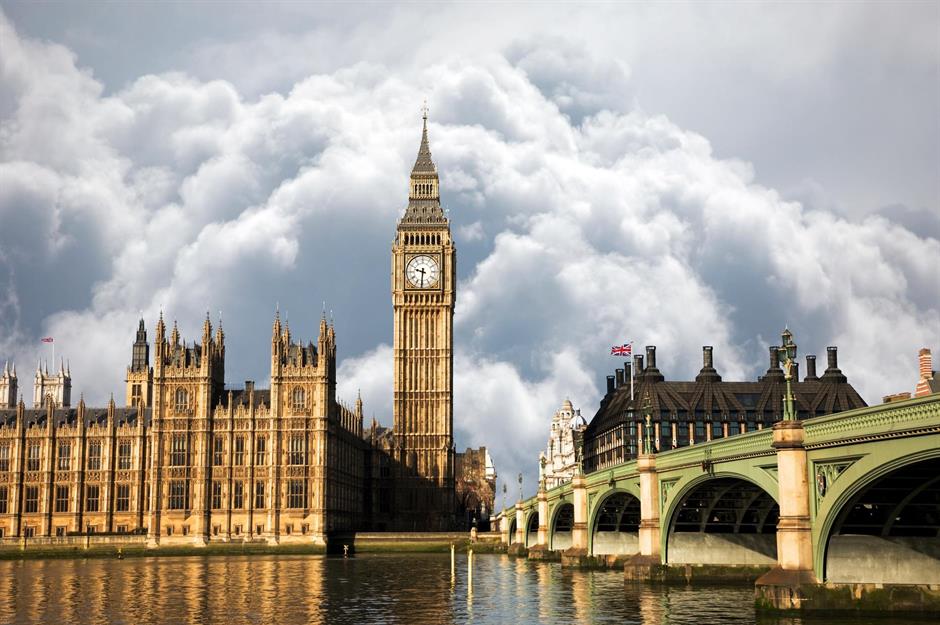
One of the most recognizable landmarks in the world, Big Ben stands as a testament to Britain’s architectural prowess and historical resilience. Situated at the north end of the Palace of Westminster, this grand clock tower has captured the imagination of millions since its completion in 1859. Though its official name was changed to the Elizabeth Tower in 2012 to honor Queen Elizabeth II, it remains affectionately known as Big Ben, a name originally associated with the massive bell housed within the tower.
Design and Engineering Excellence
Designed by architect Augustus Pugin, Big Ben showcases the stunning Gothic Revival style, adorned with intricate carvings and soaring pinnacles. The clock face, an engineering marvel, measures 23 feet in diameter, with Roman numerals and golden hands that illuminate the night sky. The bell itself, weighing over 13 tons, produces a deep, resonant chime that has become synonymous with the passage of time in Britain.
Symbol of British Resilience
Big Ben’s significance extends beyond its function as a timekeeper. It has been a silent witness to some of the most pivotal moments in British history. During World War II, despite the heavy bombing of London, the tower remained standing, symbolizing the resilience and determination of the British people. Its chimes continue to mark major national events, from royal weddings to New Year celebrations, reinforcing its status as a national treasure.
Preservation and Public Access
Today, Big Ben is undergoing meticulous restoration to preserve its grandeur for future generations. Although public access to the tower is limited, visitors can still marvel at its beauty from the surrounding streets or enjoy a panoramic view of the landmark from the River Thames. Its enduring presence in popular culture, appearing in films, literature, and art, ensures that Big Ben remains an iconic symbol of London and the United Kingdom.

Big Ben’s historical and cultural significance
Completed in 1859, Big Ben symbolises Britain’s strength and resilience. Its resounding chimes have marked countless historical moments, and the clock itself is considered one of the most accurate mechanical timepieces in the world. Tourists flock to see the grand structure for its historical significance and position as a cultural icon in London’s skyline.
Explore Stonehenge: an ancient wonder in the UK
No list of must-visit landmarks in the UK would be complete without mentioning Stonehenge. This iconic prehistoric site, located in Wiltshire, England, continues to captivate archaeologists, historians, and visitors alike. The massive standing stones, arranged in a mysterious circular formation, have inspired countless myths and legends, making Stonehenge one of the most intriguing and enigmatic attractions in the world.
The historical and cultural significance of Stonehenge
Dating back to approximately 3000 to 2000 BC, Stonehenge is a remarkable testament to the architectural and engineering prowess of ancient civilizations. Though its exact purpose remains a mystery, scholars speculate that it may have served as a ceremonial site, a burial ground, or even an astronomical observatory aligned with the movements of the sun and moon. Today, it is recognized as a UNESCO World Heritage Site and attracts millions of visitors eager to explore its fascinating history and symbolic significance.
Modern research and archaeological discoveries continue to shed light on the origins and construction techniques of Stonehenge. Some theories suggest that the bluestones used in its construction were transported from Wales, highlighting the ingenuity of its builders. Visitors can enhance their experience by exploring the interactive visitor center, which provides insights into the lives of the people who built this ancient marvel.
The Tower of London: a glimpse into royal history
Standing majestically along the River Thames, the Tower of London is one of the most historically significant landmarks in the UK. This imposing fortress has played a crucial role in England’s political and royal history, serving variously as a palace, a prison, an execution site, and the custodian of the Crown Jewels.
The Tower of London’s enduring legacy
Built in 1078 by William the Conqueror, the Tower of London has witnessed some of the most pivotal moments in British history. It has been the site of infamous imprisonments, including those of Anne Boleyn and Sir Walter Raleigh. Today, it remains one of the UK’s most visited attractions, drawing tourists who wish to uncover its dark and fascinating past.
The Tower is home to the world-famous Crown Jewels, which visitors can view up close. The Yeoman Warders, commonly known as Beefeaters, offer guided tours filled with gripping tales of betrayal, espionage, and royal intrigue. Walking through its ancient walls, one can almost hear echoes of the past, making it an unforgettable historical experience.
Windsor Castle: the heart of British royalty
As the oldest and largest occupied castle in the world, Windsor Castle stands as a symbol of Britain’s enduring monarchy. This majestic fortress has served as a royal residence for over 900 years and continues to be a working palace, frequently used by the British royal family for official events and ceremonies.
A journey through Windsor Castle’s history
Founded by William the Conqueror in the 11th century, Windsor Castle has been home to 39 monarchs. It boasts stunning Gothic architecture, opulent State Apartments, and sprawling gardens that offer breathtaking views of the surrounding countryside. The castle’s grandeur is evident in every corner, from St. George’s Chapel, where royal weddings and burials take place, to the magnificent works of art housed in the Royal Collection.
Visitors to Windsor Castle can witness the iconic Changing of the Guard ceremony, explore the lavishly decorated rooms, and learn about the deep-rooted traditions of the British monarchy. The castle’s enduring legacy continues to make it one of the most significant landmarks in the UK.
Buckingham Palace: the residence of the monarchy
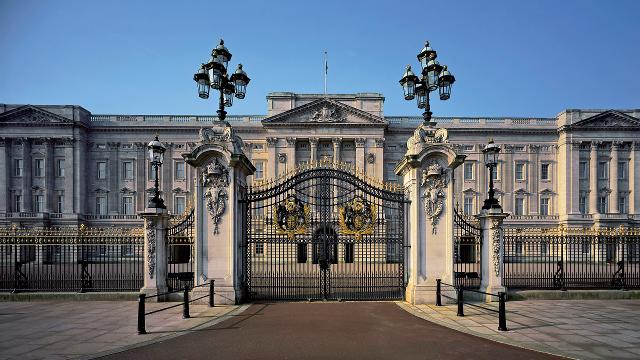
Located in the heart of London, Buckingham Palace is synonymous with the British monarchy. This grand palace serves as the official residence of the reigning monarch and is an essential part of the country’s heritage. It stands as a symbol of national pride and an enduring icon of British culture.
The allure of Buckingham Palace
While Buckingham Palace functions as a working royal residence, parts of it are open to the public during select periods. Visitors can explore the magnificent State Rooms, adorned with priceless artworks, intricate chandeliers, and regal decor. The palace’s vast gardens provide a serene escape from the hustle and bustle of London, making it a top destination for tourists.
One of the most anticipated events at Buckingham Palace is the Changing of the Guard ceremony. This age-old tradition, featuring immaculately dressed guards and a precision-drilled parade, attracts thousands of spectators daily. Whether admiring its exterior grandeur or stepping inside to witness its splendor, Buckingham Palace offers a unique glimpse into the world of British royalty.
The Roman Baths: a window into ancient Britain
Located in the historic city of Bath, the Roman Baths are one of the most remarkable remnants of Britain’s Roman past. This well-preserved complex offers an insight into the sophisticated engineering and cultural practices of ancient Rome, making it one of the most visited landmarks in the UK.
The significance of the Roman Baths
Constructed around 70 AD, the Roman Baths served as a hub for socialization and relaxation. The site features a series of baths, heated rooms, and a temple dedicated to the goddess Sulis Minerva. The natural hot springs continue to flow, providing a glimpse into the advanced water systems engineered by the Romans.
Today, visitors can explore the bathing complex, marvel at ancient artifacts, and gain a deeper understanding of Roman life through interactive exhibits. The nearby Pump Room offers a chance to sample the mineral-rich waters, believed to have healing properties. The Roman Baths remain an exceptional testament to Britain’s historical connections with the Roman Empire.
Edinburgh Castle: Scotland’s crown jewel in the top landmarks of the UK
Perched atop Castle Rock, Edinburgh Castle dominates the skyline of Scotland’s capital, standing as a testament to the nation’s rich and complex history. This grand fortress, with its origins tracing back to the Iron Age, has played a pivotal role in Scotland’s past, serving as both a royal residence and a military stronghold.
A symbol of Scotland’s history and resilience
Edinburgh Castle is more than just an architectural wonder; it is a symbol of Scottish pride and endurance. Throughout centuries of conflict, including the Wars of Scottish Independence, the castle remained a strategic stronghold. It has housed monarchs, witnessed historic battles, and even served as a military garrison. Today, it continues to be one of Scotland’s most visited tourist attractions, offering breathtaking panoramic views of the city and a deep dive into the nation’s history through its museums, exhibitions, and the Honours of Scotland—the country’s crown jewels.
Brighton Pier: coastal charm and entertainment
Brighton Pier is a quintessential British seaside attraction that has been drawing visitors since its opening in 1899. Located on England’s southern coast, this historic pier blends old-fashioned seaside charm with modern entertainment, making it a beloved landmark.
A vibrant hub of fun and nostalgia
From classic fairground rides to vibrant arcades and bustling eateries, Brighton Pier captures the essence of a traditional British seaside resort. It remains a nostalgic escape for those seeking a fun-filled day by the sea, complete with candy floss, fish and chips, and exhilarating roller coasters. Beyond its amusements, the pier stands as a symbol of Victorian ingenuity and remains one of the UK’s most iconic coastal destinations.
The White Cliffs of Dover: a natural treasure
The White Cliffs of Dover are one of Britain’s most breathtaking natural wonders. Towering above the English Channel, these striking chalk cliffs have long been a symbol of national identity and resilience.
A historic gateway to Britain
For centuries, the cliffs have served as a natural gateway to the country, offering a dramatic first glimpse of Britain to incoming travelers. Their role in World War II further cemented their significance, as they became a powerful emblem of hope and perseverance. Today, visitors can walk along the scenic trails, explore the nearby Dover Castle, and appreciate the stunning coastal views that have inspired poets and artists for generations.
Hadrian’s Wall: an enduring Roman legacy
Hadrian’s Wall, stretching across northern England, stands as a remarkable relic of the Roman Empire. Built under the orders of Emperor Hadrian in AD 122, this stone barrier once marked the northern boundary of Roman Britain.
Exploring an ancient frontier
The wall served both as a defensive fortification and a means of controlling trade and movement. Today, it is one of the most well-preserved remnants of Roman engineering in the UK. Tourists can explore the remains of Roman forts, such as Housesteads and Vindolanda, gaining insights into the lives of Roman soldiers who once patrolled the region. Walking along the wall’s scenic trails provides a unique journey through both history and nature.
The Lake District National Park: England’s scenic paradise
The Lake District National Park, located in Cumbria, is a breathtaking expanse of lakes, mountains, and charming villages. Spanning over 900 square miles, it is a haven for nature lovers and adventure seekers alike.
A source of artistic and literary inspiration
The Lake District has long been a muse for writers and poets, most notably William Wordsworth, whose work immortalized its serene beauty. Whether hiking up Scafell Pike, England’s highest peak, or enjoying a leisurely boat ride on Windermere, visitors are treated to some of the most stunning landscapes in the UK. The region’s rich cultural heritage, combined with its natural splendor, makes it a must-visit destination.
St. Paul’s Cathedral: London’s architectural masterpiece
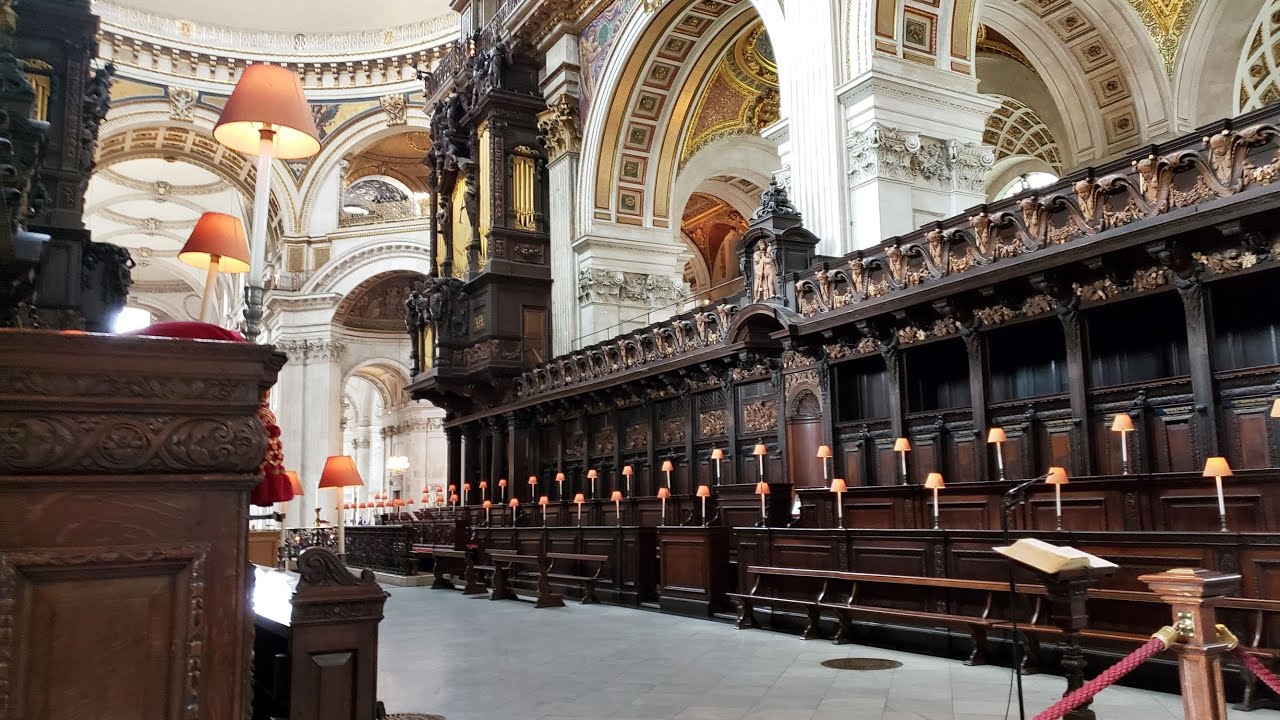
St. Paul’s Cathedral stands as one of London’s most iconic landmarks, a masterpiece of Baroque architecture designed by Sir Christopher Wren after the Great Fire of 1666. Its magnificent dome remains one of the most recognizable features of the city’s skyline.
A site of national significance
Beyond its architectural grandeur, St. Paul’s has been the setting for numerous historic events, including royal weddings, state funerals, and celebrations of national importance. The cathedral’s interior, with its breathtaking mosaics, intricate carvings, and the Whispering Gallery, continues to captivate visitors. As a place of worship, reflection, and historical reverence, St. Paul’s remains an enduring symbol of Britain’s rich heritage.
FAQs
How many tourists visit UK landmarks each year?
Millions of tourists visit the UK’s top landmarks yearly, including major destinations like London, Edinburgh, and Bath.
What is the oldest landmark in the UK?
Between 3000 and 2000 BC, Stonehenge is considered one of the UK’s oldest and most mysterious landmarks.
Are there any modern landmarks included in the top 50 UK landmarks?
Modern landmarks like The Shard and The London Eye showcase the UK’s historical and contemporary architectural innovation blend.
Why is Buckingham Palace so significant?
Buckingham Palace is the British monarch’s official residence and represents the United Kingdom’s royal heritage. It continues to captivate tourists as a significant attraction.
What role do natural landmarks play in UK tourism?
Natural landmarks like the Lake District and the White Cliffs of Dover play a vital role in UK tourism, attracting visitors seeking to experience the country’s natural beauty.