

Is it safe to share your sort code and account number?
We use banking details like sort codes and account numbers almost every day, whether we are receiving payments, setting up direct debits, or transferring money. However, many people don’t fully understand how these numbers work or whether it’s risky to share them. A common question that often arises is: can someone scam you with just your sort code and account number?
With financial fraud becoming increasingly sophisticated, it’s important to understand the potential risks of sharing these details. This article will explore how scammers might misuse this information, when it is safe to share your banking details, and what precautions you can take to avoid fraud.
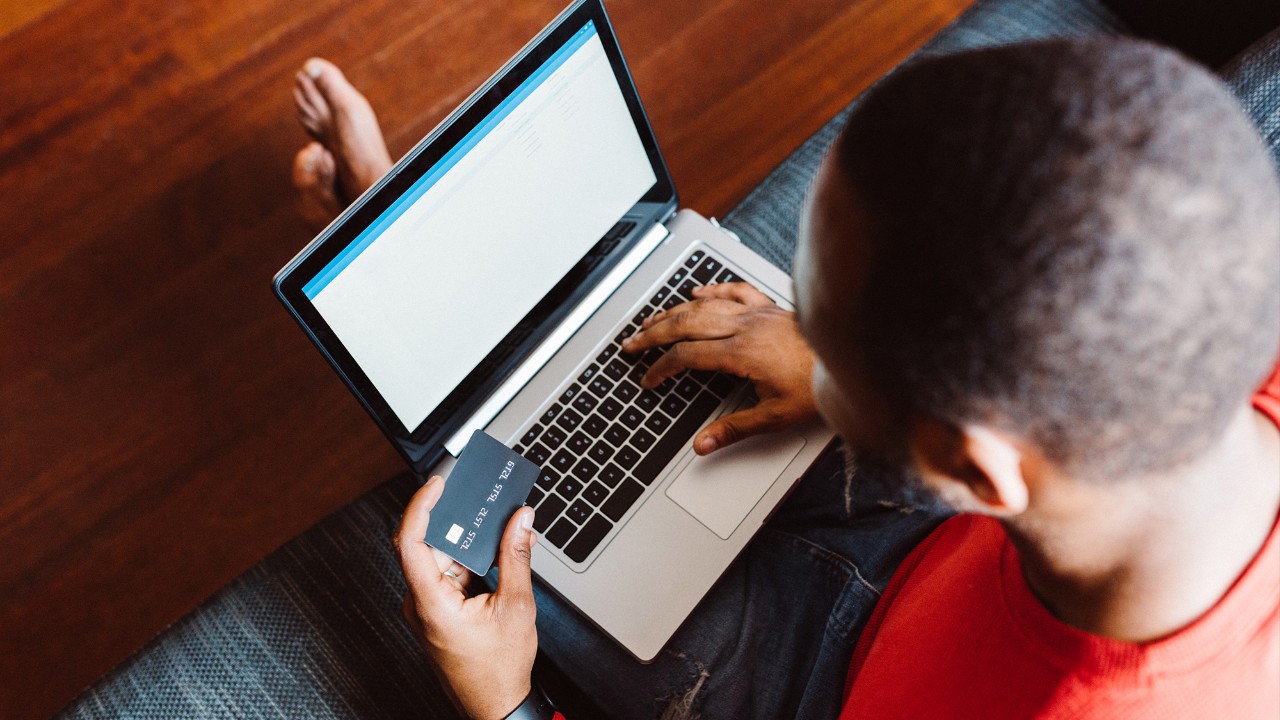
Understanding sort codes and account numbers
Sort code
A sort code is a six-digit number that identifies a particular bank and branch in the UK. It acts as an address for routing payments correctly. If you need to receive money, the sender must include your sort code so that the banking system knows where to send the funds. Without the correct sort code, transactions can fail or be delayed.
Each bank and its branches have unique sort codes, ensuring that payments are processed smoothly. For example, if your employer pays your salary, they need your sort code to ensure the funds reach your bank branch correctly.
Account number
An account number is a unique identifier assigned to each individual account within a bank. While the sort code directs the payment to the right bank and branch, the account number ensures that the money reaches the correct personal or business account.
In the UK, account numbers typically contain eight digits. They are crucial for transactions such as receiving your paycheck, making online purchases, or setting up recurring payments. Without the right account number, money could be sent to the wrong person or fail to go through at all.
How these numbers work together
Sort codes and account numbers function as a pair to facilitate seamless banking transactions. When making or receiving payments, both numbers are necessary to ensure the money moves correctly. If either number is incorrect, the payment could be delayed, returned, or sent to the wrong account.
Everyday scenarios where they are required:
- Receiving salary payments from your employer
- Setting up direct debits for utility bills and subscriptions
- Transferring money to friends or family members
- Making online purchases that require bank transfers
Because of their essential role in transactions, people often worry that scammers might misuse their sort code and account number. While these numbers alone do not provide full access to your account, there are still risks involved in sharing them carelessly.
Is it safe to share your sort code and account number?
When it is generally safe
Sharing your sort code and account number is generally safe in situations where it is necessary and with trusted parties. Examples include:
- Receiving payments from your employer
- Setting up direct debits for rent, utilities, or subscriptions
- Sending or receiving money from family and friends
These numbers are used to facilitate transactions rather than to access your account. Banks and companies regularly request these details to ensure that payments are made correctly.
When to be cautious
While these details alone do not grant direct access to your bank account, scammers can still exploit them in various ways. Here are some situations where you should be careful:
- Unsolicited requests: If a stranger or an unknown company asks for your banking details, be wary. Scammers may pose as businesses, charities, or even government agencies to trick you into sharing sensitive information.
- Phishing scams: Fraudsters often use fake emails or text messages pretending to be from legitimate institutions, asking for banking details to process refunds or payments.
- Fake overpayments: A common scam involves someone sending you money “by mistake” and then asking for a refund. In some cases, the original payment was fraudulent, leaving you responsible for the funds.
- Social engineering attacks: Scammers can use small bits of information, like your sort code and account number, to gain credibility when attempting to gather more sensitive details such as passwords or security codes.
How scammers might misuse your banking details
Even though a sort code and account number alone do not give full control over your account, fraudsters can still use them in fraudulent activities:
- Setting up unauthorized direct debits: Some scammers try to use your details to create fraudulent direct debits, although banks usually have measures in place to verify legitimacy.
- Social engineering fraud: If scammers already have additional information, such as your full name, date of birth, or address, they might try to impersonate you to access your account or reset passwords.
- Invoice scams: Businesses and freelancers are common targets. A scammer might send fake invoices pretending to be a legitimate service provider, requesting payments to their own account instead of the real one.
- Creating fake checks or payment requests: Some fraudsters might use your details to forge documents or convince others to send them money, pretending to be you.
How to protect yourself from fraud
To stay safe from potential scams, consider the following protective measures:
- Only share your banking details with trusted sources: Avoid providing your sort code and account number to unknown individuals or businesses without verifying their authenticity.
- Monitor your bank statements regularly: Check for unauthorized transactions and report any suspicious activity immediately.
- Enable bank security features: Many banks offer fraud alerts, two-factor authentication, and transaction notifications to help detect and prevent fraud.
- Be cautious with public postings: Avoid sharing your banking details on social media or public forums, as scammers can collect and misuse them.
- Verify payment requests: If you receive an unexpected request for payment, double-check with the sender using a verified contact method before proceeding.

The risks of sharing your banking details
Many people worry about the risks of sharing their sort code and account number, fearing that scammers might use them to steal money. While these details alone don’t typically allow direct access to your account, there are still risks involved. Fraudsters can misuse them for scams, identity theft, and unauthorized transactions. Understanding these risks and learning how to protect your information is crucial for safeguarding your finances.
Potential risks and fraud attempts
Unauthorized withdrawals and direct debits
A common concern is that scammers could withdraw money if they obtain your sort code and account number. However, for them to access your funds, they would need additional sensitive details such as:
- Your online banking login credentials (username and password)
- PINs or passcodes
- Answers to security questions
- Card details (CVV, expiry date)
Although these numbers alone don’t usually provide scammers direct access, fraudsters may try to set up unauthorized direct debits. Most banks have security checks in place to detect suspicious transactions, but it’s still important to monitor your account regularly.
Identity theft and impersonation
Fraudsters can use your sort code and account number to impersonate you and commit financial fraud. They might attempt to apply for loans, make unauthorized payments, or manipulate institutions into providing more of your personal details. This can lead to financial losses and a complicated process to restore your identity and credit standing.
Common scams involving banking details
Even though scammers cannot directly withdraw money with just your sort code and account number, they can still misuse these details in various fraudulent schemes.
Phishing scams
One of the most common tactics fraudsters use is phishing. They send fake emails, text messages, or make phone calls pretending to be your bank. These messages often urge you to confirm your banking details, and once you do, scammers attempt to gather more sensitive data, leading to potential fraud.
Fake invoices and payments
Scammers sometimes use your sort code and account number to generate fake invoices or payment requests. Unsuspecting individuals or businesses might send money to the fraudster, believing it is a legitimate transaction under your name. This not only damages your reputation but could also lead to legal complications.
Check fraud
Some fraudsters use bank details to create fraudulent checks. They may forge a check using your account number and deposit it into another account or use it to pay for goods fraudulently. While banks often detect and block such transactions, this type of fraud can cause significant stress and inconvenience.
What information should never be shared?
While sharing your sort code and account number is usually safe with trusted parties, some banking details should always remain private. These details, if exposed, can lead to direct financial theft or unauthorized account access.
PINs and passcodes
Your personal identification number (PIN) is a security key that grants access to your funds. Never share it, even with someone claiming to be from your bank. Scammers often use social engineering tricks to get people to reveal their PINs.
Online banking passwords
Your banking login details are essential for accessing and managing your account. Using strong, unique passwords and avoiding easily guessed words like “password123” or your birth year can help protect your account.
Security question answers
Banks use security questions to verify your identity. Fraudsters often try to obtain answers to questions like your mother’s maiden name or your first pet’s name through social media or phishing attempts. Keep this information private and consider using unconventional answers that only you would know.
Card details
Your debit or credit card number, along with the CVV and expiration date, can be used for unauthorized transactions if they fall into the wrong hands. Always be cautious when entering card details online and avoid sharing them through emails or phone calls.

How to protect your banking details
Preventing fraud and unauthorized access to your accounts requires a proactive approach. Here are some essential tips to keep your banking details safe:
Use strong and unique passwords
A strong password should be a mix of letters, numbers, and symbols. Avoid using common words or easily guessed numbers, and never reuse passwords across different accounts. Consider using a password manager to generate and store complex passwords securely.
Enable two-factor authentication (2FA)
Most banks offer 2FA as an additional security layer. This means that even if someone obtains your password, they will need a second verification code (usually sent via SMS or email) to access your account.
Monitor your bank statements
Regularly checking your bank statements helps you spot unauthorized transactions quickly. If you notice any suspicious activity, report it to your bank immediately to prevent further damage.
Be cautious when sharing banking details
Only provide your sort code and account number to trusted individuals or businesses. If you need to send money, consider using secure payment methods instead of directly sharing your banking details.
Stay alert to scams
Educate yourself about the latest scam tactics. Banks often release updates on fraud trends, and being aware of these can help you recognize and avoid potential scams.
Avoid public Wi-Fi for banking transactions
Public Wi-Fi networks can be insecure and vulnerable to hacking attempts. If you need to access your online banking, use a secure private network or a virtual private network (VPN) to protect your data.
What to do if you suspect fraud
Discovering that your banking details might be compromised can be alarming. However, taking immediate action can help minimize any potential damage. If you suspect fraudulent activity related to your bank account, here are the crucial steps you should take.
Contact your bank without delay
The first and most important step is to notify your bank as soon as possible. Banks have dedicated fraud departments that can take immediate action to protect your funds. They may temporarily freeze your account, issue a new debit or credit card, or implement additional security measures. Acting fast can help prevent unauthorized transactions from taking place.
Secure your passwords and PINs
Changing your passwords and PINs should be your next move. Use strong, unique passwords that are difficult to guess, and avoid using the same password across multiple accounts. Consider using a password manager to help you generate and store complex passwords securely. If your bank offers two-factor authentication (2FA), enable it for an extra layer of protection.
Keep a close watch on your accounts
Even if no immediate fraudulent transactions appear, monitoring your account regularly is essential. Check your bank statements and online banking portal frequently for any unfamiliar transactions. If you notice anything suspicious, report it immediately to your bank so they can investigate and take the necessary actions.
Report the fraud to the authorities
Depending on your location, you may have access to fraud reporting agencies that can assist you. In many countries, fraud victims can report incidents to their local police, consumer protection agencies, or national fraud helplines. Reporting fraud can help prevent similar incidents from happening to others and may also assist in recovering lost funds.
Be cautious with your banking details
While sharing your sort code and account number is generally safe when dealing with trusted businesses and individuals, it’s essential to remain vigilant. Scammers often use tactics to manipulate victims into providing additional sensitive information. Always verify the legitimacy of any requests for banking details and never disclose additional security information, such as your online banking password or verification codes.

Additional steps to enhance security
To further protect yourself against fraud, consider the following measures:
- Enable transaction alerts: Many banks offer SMS or email notifications for every transaction made on your account. This allows you to detect suspicious activity immediately.
- Regularly update your banking apps: Keeping your mobile banking app and computer security software updated helps protect against cyber threats.
- Be cautious of phishing attempts: Fraudsters often impersonate banks or financial institutions via email, phone, or text messages. Never click on suspicious links or provide personal information in response to unexpected messages.
- Limit online sharing of banking details: Avoid sharing financial details on social media or unsecured platforms, as this increases the risk of fraud.
FAQs
What if I gave my account information to a scammer?
If you realize you’ve given your banking details to a scammer, contact your bank immediately. They can freeze your account, stop any suspicious activity, and guide you on further steps to protect your money.
What information does a scammer need to access my bank account?
A scammer would typically need more than just your account number and sort code. They would also need sensitive details like your online banking password, PIN, or security answers to access your account.
Can you be scammed with just account number and sort code?
It’s unlikely that a scammer can steal money from your account with just these details. However, they might use them to create fake direct debits or other fraudulent activities, so it’s important to share them cautiously.
Can a scammer withdraw money if they have my sort code and account number?
No, a scammer cannot directly withdraw money with just your sort code and account number. They would need additional details like your online banking login or card information to access your funds.
How can I tell if an email or message asking for my bank details is a scam?
Look for signs like poor spelling, urgent language, or requests for sensitive details. Legitimate companies or banks won’t ask for your passwords or PIN over email or text. If you’re unsure, contact your bank directly.