


Card machines have become an essential part of commerce, enabling businesses to offer customers seamless, secure, and efficient cashless transactions. Whether in large retail chains or small local shops, these devices facilitate swift and hassle-free payments. Over the years, card machines have evolved significantly, incorporating new technologies that enhance security, speed, and convenience.
Understanding how card machines function, the technology behind them, and their impact on businesses provides valuable insights into their growing role in the modern economy. With the continuous advancement of payment systems, these machines now support not only credit and debit cards but also mobile wallets and online payment platforms.
The fundamentals of card machines
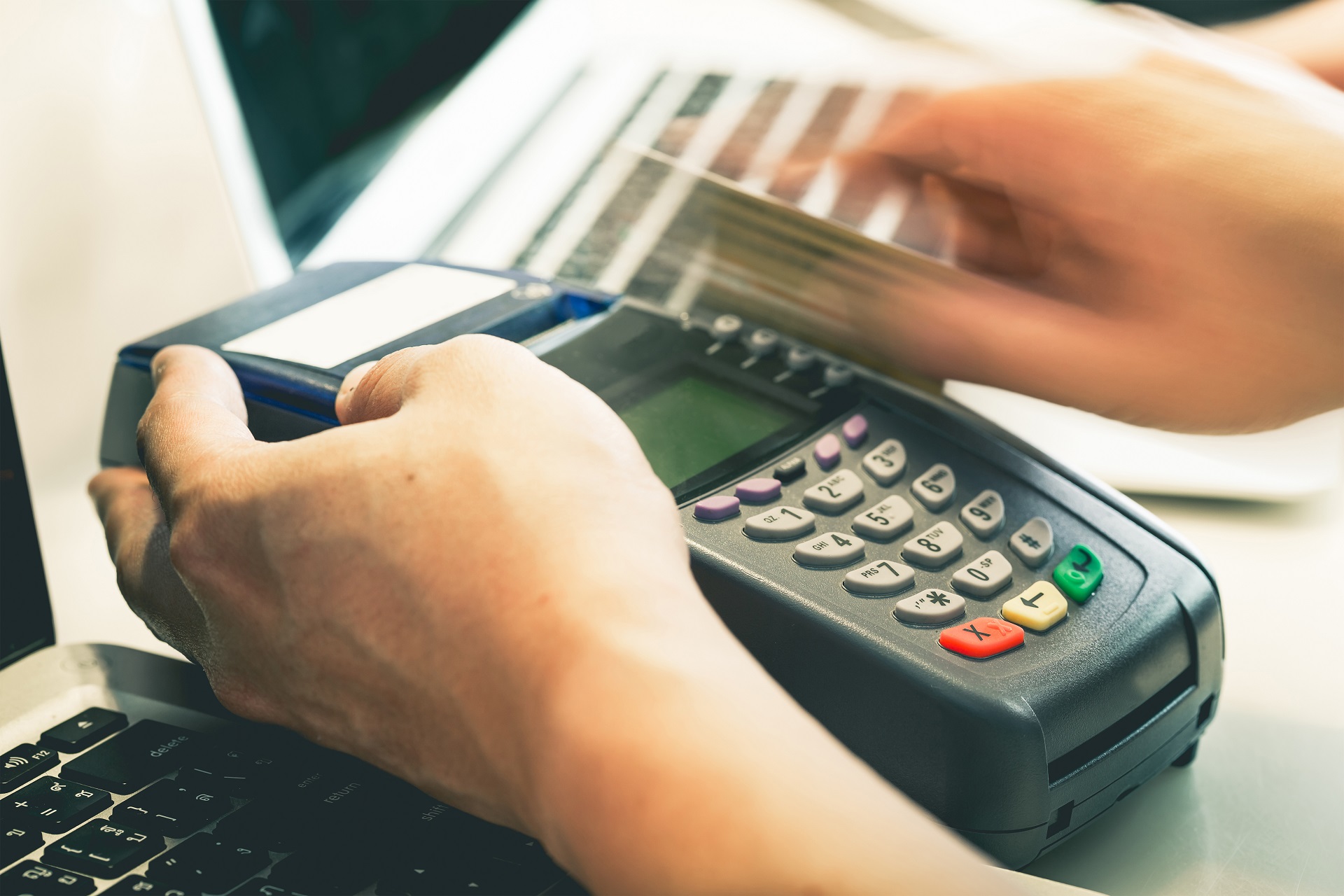
At their core, card machines are designed to process transactions swiftly. When a customer presents their card, they either swipe, insert, or tap it on the machine. The device reads the card’s details through different technologies, such as magnetic stripes, EMV chips, or Near Field Communication (NFC) for contactless payments.
Once the machine captures the payment information, it sends the transaction request to a payment processor, which then communicates with the issuing bank. The bank verifies the transaction details and either approves or declines the payment. This entire process takes only a few seconds, ensuring a seamless payment experience for both customers and businesses.
The evolution of chip and PIN technology
One of the most significant innovations in card payments is the chip and PIN system. Unlike traditional magnetic stripe cards, which are susceptible to fraud, EMV chip cards store encrypted data that enhances security. When a customer inserts their card and enters a PIN, the chip securely communicates with the bank to authenticate the transaction.
This method has become the standard worldwide due to its effectiveness in reducing fraud. Chip technology ensures that card data is protected, making it more difficult for unauthorized entities to replicate or tamper with card details.
Contactless payments and their growing popularity
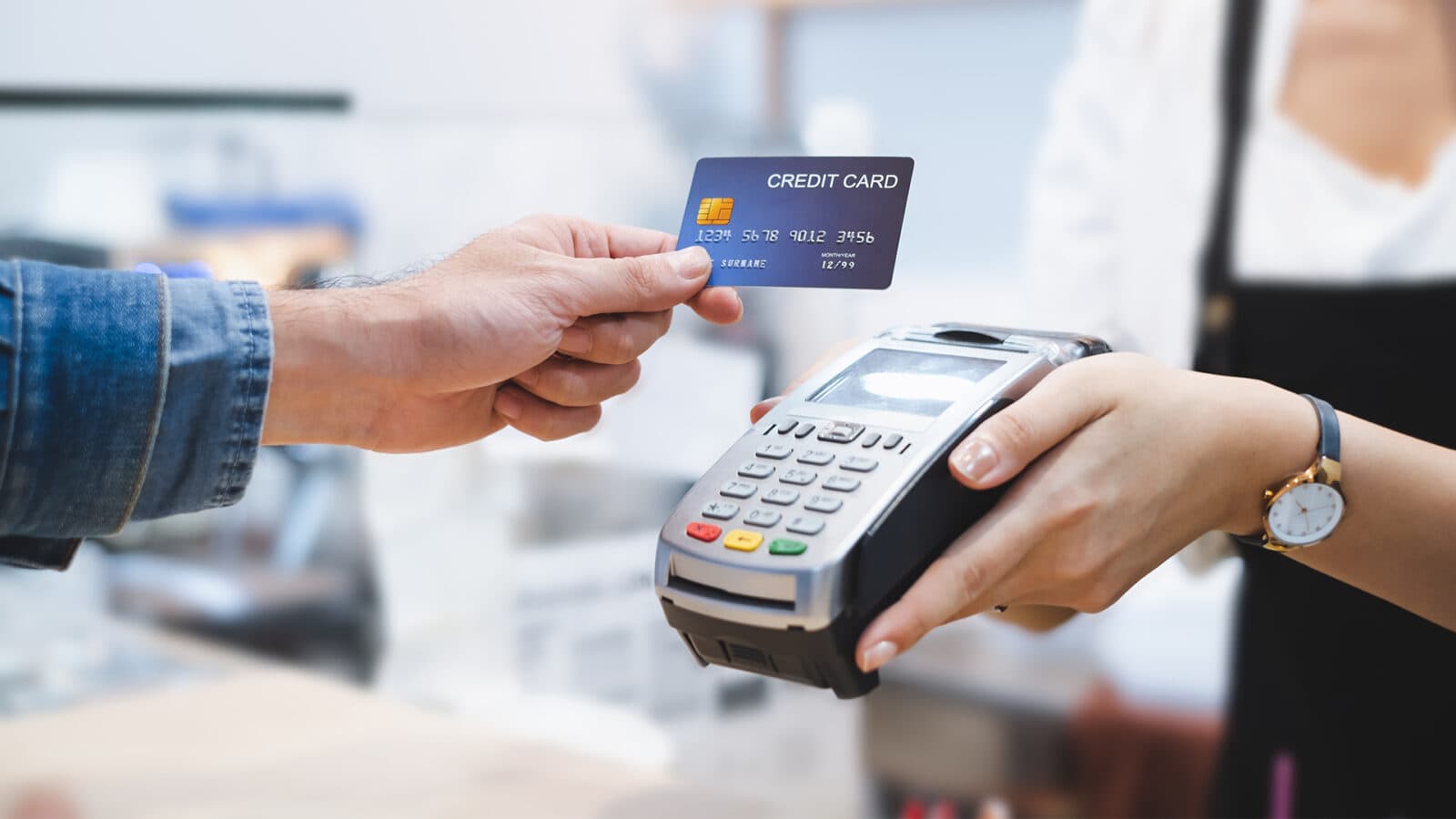
Contactless payments have emerged as a game-changing innovation, allowing customers to make purchases with a simple tap of their card or mobile device. This technology relies on NFC, which enables fast and secure data transmission between the card machine and the payment device.
The primary advantage of contactless transactions is their speed. Customers do not need to enter a PIN for small purchases, making checkout lines move faster. Additionally, they provide a hygienic payment option by minimizing physical contact with machines.
Security remains a priority in contactless transactions, with spending caps in place to prevent unauthorized use. As banks and payment providers improve security measures, these limits are gradually increasing, encouraging more widespread adoption of contactless technology.
The rise of mobile card readers
With the increasing need for flexible payment solutions, mobile card readers have gained popularity among small businesses, freelancers, and service providers. These compact devices connect to smartphones or tablets via Bluetooth or wired connections, allowing merchants to accept payments anywhere.
Mobile card readers function similarly to traditional card machines, processing transactions through secure channels. They offer an affordable alternative to fixed terminals, making them ideal for businesses that operate in dynamic environments such as food trucks, pop-up shops, and outdoor markets.
The integration of mobile payments
The rise of digital wallets such as Apple Pay, Google Pay, and Samsung Pay has further expanded the capabilities of card machines. These payment methods use the same NFC technology as contactless cards but offer an added layer of security through biometric authentication.
By integrating with mobile wallets, card machines provide customers with more payment options while ensuring enhanced security. Transactions conducted via mobile payments are encrypted and tokenized, reducing the risk of fraud. This integration aligns with the growing consumer preference for digital-first payment solutions, making businesses more adaptable to changing trends.
Merchant accounts and their role in card transactions
A merchant account is a crucial component of card payment processing. It acts as an intermediary that temporarily holds funds from card transactions before transferring them to the business’s primary bank account.
When a customer makes a payment, the transaction is processed through the merchant account, where necessary fees—such as interchange and processing costs—are deducted. The remaining funds are then deposited into the merchant’s bank account. This system ensures smooth financial transactions, providing businesses with accurate records and timely fund transfers.
Security features of card machines
Security plays a crucial role in the functionality of card machines, ensuring safe transactions for both consumers and businesses. As digital payments become the norm, advanced security measures are necessary to prevent fraud and data breaches.
Modern card machines integrate multiple security layers, including encryption, tokenisation, and adherence to Payment Card Industry Data Security Standard (PCI DSS) guidelines. Encryption protects sensitive data by converting it into unreadable formats, making it nearly impossible for cybercriminals to access. Tokenisation replaces card details with unique tokens, ensuring that actual payment data is never exposed. Compliance with PCI DSS regulations guarantees that businesses follow strict protocols to maintain the security of cardholder information.
Additionally, card machines employ real-time fraud detection systems that monitor transactions for suspicious activity. Features like EMV chip technology and two-factor authentication further enhance security, reducing the risk of card cloning and unauthorized access. Businesses can also enable end-to-end encryption to ensure that payment data remains secure from the moment the card is swiped until the transaction is completed.
How card readers support online and offline businesses
Card readers are not confined to physical retail locations—they also play a vital role in e-commerce. Businesses with an online presence can integrate card readers with their payment gateways, allowing customers to make seamless and secure transactions from anywhere in the world.
For brick-and-mortar businesses, card readers streamline the checkout process, making payments faster and reducing long queues. Many businesses now use omnichannel payment solutions that allow customers to switch between online and in-store purchases effortlessly. Some card machines even support contactless and mobile wallet payments, offering added convenience for tech-savvy customers.
By enabling businesses to accept a variety of payment methods, card readers increase customer satisfaction and broaden the potential customer base. Whether a business operates entirely online or has a physical store, integrating a reliable card payment system is essential for staying competitive in the modern market.
Choosing the right card reader for your business
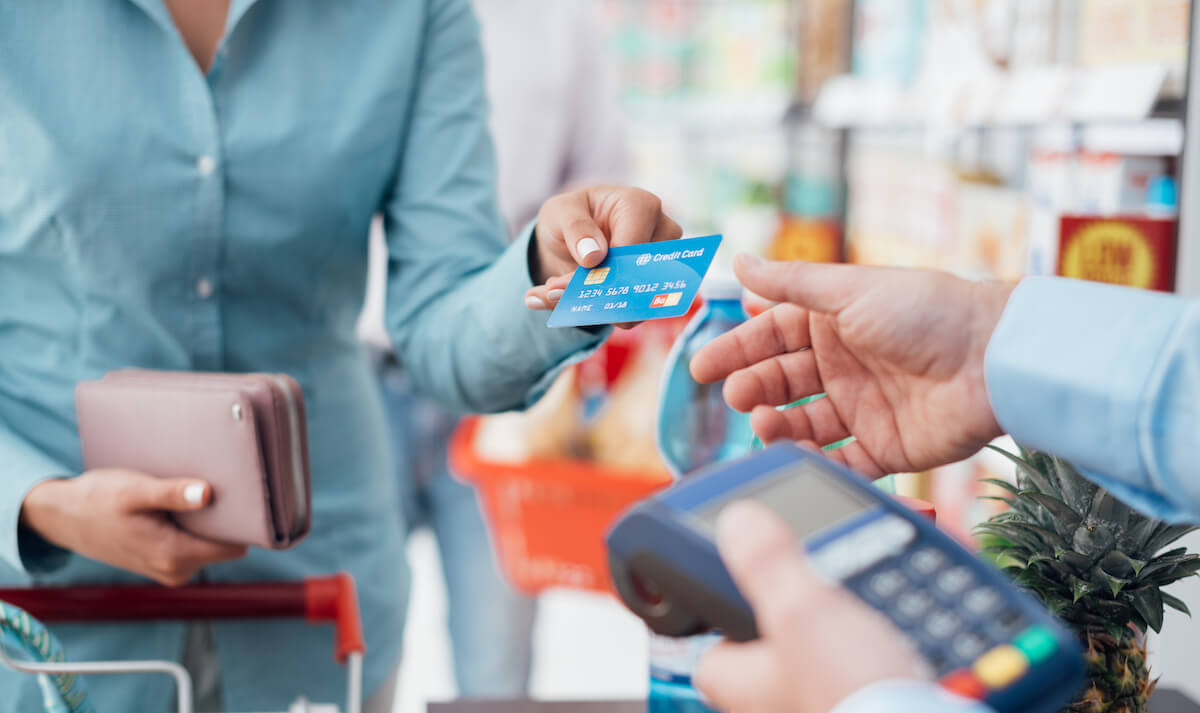
Different types of card readers cater to various business needs. Choosing the right one depends on factors like transaction volume, mobility requirements, and industry-specific demands.
Countertop card readers
These are stationary devices commonly found in retail stores, restaurants, and service-based businesses. They are known for their stability, fast processing speeds, and durability. Connected via a wired network, they ensure a secure and reliable connection, making them ideal for businesses that process a high volume of in-store transactions.
Portable card readers
Portable card machines offer wireless capabilities, allowing staff to bring the payment device directly to customers. These are commonly used in restaurants and cafes, where tableside payments enhance customer convenience. They connect via Wi-Fi or Bluetooth and provide flexibility without sacrificing security.
Mobile card readers
Designed for businesses on the go, mobile card readers connect to smartphones or tablets via Bluetooth. They are perfect for freelancers, market vendors, or delivery services that require payment acceptance outside traditional store settings. Mobile card readers provide the same security features as their countertop and portable counterparts, making them a cost-effective solution for small businesses.
The impact of card readers on small businesses
The adoption of card readers has significantly transformed the way small businesses operate. By accepting card payments, small business owners can cater to a wider audience, including customers who prefer cashless transactions. This flexibility not only enhances the customer experience but also increases sales potential.
Card readers also contribute to better financial management. Unlike cash transactions, digital payments leave an automatic record, making it easier for businesses to track revenue and expenses. This streamlined record-keeping simplifies accounting and tax filing, saving time and reducing the risk of errors.
Moreover, using card machines reduces the need to handle cash, decreasing the chances of theft and human error. With automated sales tracking, businesses can also gain insights into customer spending patterns, allowing for better inventory management and personalized marketing strategies.
Setting up a card machine
The process of setting up a card machine is straightforward, but it requires careful planning to ensure smooth operation. Businesses must first establish a merchant account with a payment service provider. This account acts as a middleman between the business and customers’ banks, facilitating secure transactions.
Once the merchant account is approved, businesses can choose a suitable card machine based on their needs. After selecting the device, it must be configured to connect with the payment processor. This step involves installing necessary software, linking the machine to a secure internet connection, and performing test transactions to confirm functionality.
Businesses should also consider training staff on how to use the card machine efficiently, including troubleshooting common issues and processing refunds. Regular software updates should be implemented to keep security measures up to date and prevent vulnerabilities.
Understanding the transaction process
From the moment a card is swiped to the final approval, each transaction undergoes a complex but seamless process. When a customer presents their card, the machine reads the card’s data and transmits it to the payment processor. The processor then contacts the cardholder’s bank to verify available funds. If the transaction is approved, the funds are reserved, and a confirmation message is sent to the card machine. The business receives a receipt, and the customer is charged accordingly.
This entire process happens within seconds, ensuring a smooth and efficient payment experience. The transaction is then settled, with funds typically being transferred to the merchant’s account within one to three business days, depending on the payment provider’s processing time.
Processing refunds through card machines
Refunds follow a similar path to purchases but in reverse. When a business initiates a refund, the request is sent to the payment processor, which then reverses the transaction. The refunded amount is deducted from the merchant’s account and returned to the customer’s bank. This process ensures transparency and security, protecting both parties from fraudulent refund claims.
Some card machines allow partial refunds, enabling businesses to return a portion of the payment rather than the full amount. Additionally, many modern systems provide real-time refund tracking, so customers can monitor the status of their reimbursement.
Maintenance and troubleshooting common issues with card readers
Card machines are an essential part of modern business transactions, ensuring seamless and secure payments. However, like any other technology, they require regular maintenance and occasional troubleshooting to function efficiently. Businesses must implement proper handling techniques and stay proactive in addressing common issues to prevent disruptions in payment processing.
Proper maintenance for longevity
To extend the lifespan of a card reader, businesses should adopt a routine maintenance schedule. This includes cleaning the machine regularly to prevent dirt and dust buildup, which can interfere with card swipes or chip readings. Using a soft cloth or a specialized cleaning card can help keep the device in optimal condition.
Updating the software is another critical aspect of maintenance. Manufacturers frequently release firmware updates to enhance security, fix bugs, and improve performance. Businesses should ensure their devices are always running the latest software to minimize vulnerabilities.
Additionally, checking the physical connections, such as power cables and internet links, can prevent unexpected disruptions. Loose cables or weak Wi-Fi signals can cause transaction failures, leading to customer dissatisfaction and lost sales.
Troubleshooting common issues
Despite regular maintenance, card readers can sometimes experience technical difficulties. Here are some common issues and potential solutions:
- Connectivity problems: If the device cannot connect to the network, restarting the machine and checking the internet connection (Wi-Fi, mobile data, or Ethernet) can help restore functionality.
- Declined transactions: This may be due to insufficient funds, card expiration, or connectivity issues. Encouraging customers to try a different payment method or contacting the payment processor for further assistance can help resolve the problem.
- Slow transaction processing: This issue could be linked to outdated software or a poor internet connection. Ensuring the latest updates are installed and using a stable network can improve transaction speed.
- Card reader not detecting a card: Dust or debris in the reader slot can prevent proper detection. Cleaning the reader or trying a different card can determine if the issue lies with the machine or the card itself.
By implementing these troubleshooting steps, businesses can quickly resolve common problems and maintain a smooth payment experience for customers.
Future trends in card payment technology
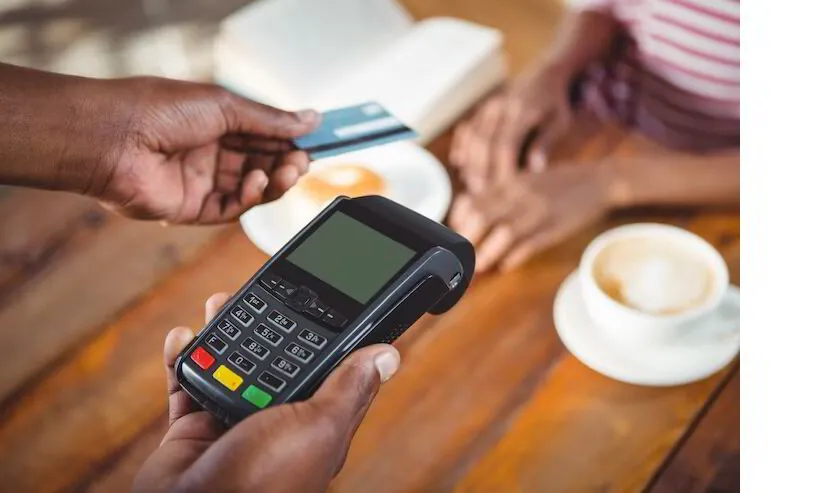
As payment technology continues to evolve, businesses must stay ahead of emerging trends to remain competitive. Several advancements are shaping the future of card machines, enhancing security, speed, and convenience for both businesses and consumers.
The rise of biometric authentication
One of the most significant developments in card payment technology is biometric authentication. Fingerprint and facial recognition systems are increasingly being integrated into payment devices, providing an added layer of security. These biometric payment solutions eliminate the need for PIN codes or signatures, reducing fraud risks while making transactions faster and more seamless.
AI-powered fraud detection
Artificial intelligence (AI) and machine learning are revolutionizing fraud detection in the payment industry. AI-powered systems can analyze transaction patterns in real time and identify suspicious activities, alerting businesses to potential fraud before it occurs. As these technologies continue to improve, they will help enhance security and reduce financial losses from fraudulent transactions.
Cryptocurrency integration
As digital currencies like Bitcoin and Ethereum gain popularity, many businesses are exploring ways to accept cryptocurrency payments through card readers. Some card machines are now being designed to process crypto payments alongside traditional credit and debit card transactions, catering to a broader customer base. This innovation could significantly impact how payments are made in the future, offering consumers more diverse payment options.
Enhanced connectivity with 5G
The implementation of 5G technology is expected to improve the speed and reliability of card transactions. Businesses operating in high-traffic areas or remote locations will benefit from faster and more stable connections, reducing transaction failures and ensuring smooth operations.
Choosing the right card machine provider
Selecting a suitable card machine provider is crucial for businesses looking to optimize their payment processing. Various factors should be considered, including transaction fees, customer support, ease of integration, and compatibility with existing business systems.
Comparing top providers
Several well-known card machine providers offer unique features tailored to different business needs:
- Square: Provides comprehensive point-of-sale (POS) solutions with competitive transaction fees, making it ideal for small businesses.
- SumUp: Known for its affordability and ease of use, SumUp is a great choice for startups and small businesses.
- PayPal Here: Best suited for businesses that already use PayPal for online transactions, offering seamless integration with existing accounts.
Businesses should assess their transaction volume, preferred payment methods, and operational requirements before choosing a provider. Whether opting for a countertop, portable, or mobile solution, finding the right provider can significantly impact efficiency and customer satisfaction.
Regulatory considerations for card payments
The card payment industry is subject to strict regulations designed to protect consumers and ensure the security of transactions. Businesses must comply with these regulations to avoid penalties and maintain trust with their customers.
PCI DSS compliance
One of the most critical regulatory frameworks governing card payments is the Payment Card Industry Data Security Standard (PCI DSS). This set of security guidelines requires businesses to handle cardholder data responsibly, minimizing the risk of fraud and data breaches.
Failure to comply with PCI DSS can result in financial penalties, legal consequences, and potential restrictions on processing card payments. To ensure compliance, businesses should:
- Regularly update their card machine software to address security vulnerabilities.
- Encrypt payment data to protect customer information.
- Implement secure storage methods for sensitive payment details.
By adhering to these guidelines, businesses can safeguard customer data and maintain compliance with industry regulations.
Benefits of integrated payment systems
The integration of payment systems with business operations has transformed the way transactions are managed. By connecting card machines with POS systems, accounting software, and inventory management tools, businesses can streamline operations and improve efficiency.
Streamlining operations
Integrated payment systems allow businesses to automatically record sales transactions, reducing the need for manual data entry. This minimizes human errors and simplifies financial reconciliation, making bookkeeping more accurate and efficient.
Real-time insights and analytics
For businesses with multiple locations or online stores, integrated payment systems provide real-time insights into sales performance and financial data. This visibility helps business owners make informed decisions about inventory, marketing strategies, and customer engagement.
Enhanced customer experience
By offering a seamless payment experience, businesses can improve customer satisfaction and loyalty. Faster transactions, multiple payment options, and secure processing create a positive shopping experience, encouraging repeat business.
How card machines improve customer experience
In today’s fast-paced world, businesses must prioritize efficiency and convenience to keep up with customer expectations. One of the most effective ways to enhance the customer experience is by integrating card machines into payment processes. These devices streamline transactions, offering a quicker and more secure payment experience, which is vital for customer satisfaction.
Faster and smoother transactions
The adoption of card machines has revolutionized the speed at which transactions are completed. Traditional cash payments often involve counting money, giving change, and verifying authenticity, all of which take time. In contrast, card transactions, especially contactless and mobile payments, allow customers to pay within seconds by simply tapping their card or smartphone. This significantly reduces waiting times, ensuring a seamless checkout process that enhances the overall shopping experience.
Enhanced security and trust
With increasing concerns about financial security, customers value businesses that provide safe payment options. Card machines utilize encryption, tokenization, and secure payment gateways to protect sensitive financial data. This added layer of security fosters trust and reassures customers that their information remains safe from fraud and theft. Furthermore, businesses that adhere to stringent security standards position themselves as credible and reliable service providers, encouraging repeat customers.
Catering to diverse payment preferences
Modern consumers expect businesses to accommodate various payment methods. While traditional credit and debit cards remain popular, digital wallets such as Apple Pay, Google Pay, and PayPal are rapidly gaining traction. By integrating a card machine that accepts multiple payment options, businesses ensure they cater to all customer preferences. This flexibility enhances customer convenience and encourages spontaneous purchases, boosting sales in the long run.
Improving customer loyalty
A seamless and hassle-free payment experience contributes to overall customer satisfaction. When shoppers encounter minimal friction during transactions, they are more likely to return. Many businesses that implement card payment solutions notice increased customer retention, as customers appreciate the convenience and reliability of cashless payments. Additionally, businesses that offer reward programs linked to card transactions can further incentivize repeat purchases.
Financial considerations when using card machines
While card machines offer undeniable advantages, they come with associated costs that businesses must evaluate before implementation. Understanding these costs and strategically planning for them ensures that businesses maximize the benefits without encountering financial strain.
Initial costs and transaction fees
Purchasing or renting a card machine involves an upfront investment. Some businesses opt for rental plans, while others prefer purchasing outright. Additionally, providers charge transaction fees, typically ranging from 1% to 3% per transaction. These fees vary based on the payment provider, transaction volume, and the type of card used (credit, debit, or premium cards).
Maintenance and operational expenses
Beyond transaction fees, businesses may incur monthly service charges, maintenance costs, and software upgrades. Some payment providers charge for integrating card machines with existing point-of-sale (POS) systems. Businesses must assess these ongoing costs and determine whether the increase in sales and customer convenience justifies the expenditure.
Cost-benefit analysis
Before adopting card payment solutions, conducting a cost-benefit analysis is essential. Businesses should evaluate whether the potential revenue growth from accepting card payments outweighs the expenses involved. For many businesses, the convenience, increased sales, and enhanced customer satisfaction that card machines bring make the investment worthwhile.
Long-term impact on cash flow
Card machines can improve a business’s cash flow by reducing cash-handling expenses and minimizing errors associated with manual transactions. Additionally, digital transactions ensure that funds are securely deposited into business accounts, reducing the risk of theft and mismanagement. This financial predictability allows businesses to plan better and allocate resources more effectively.
FAQs
What is the role of a merchant account in card transactions?
A merchant account is essential for processing card payments. It is an intermediary that temporarily holds funds from a card transaction before transferring them to the business’s bank account. This process ensures that companies can securely accept payments and manage their cash flow effectively.
How do card machines ensure transaction security?
Card machines employ several security features, including data encryption, tokenisation, and compliance with industry standards such as PCI DSS. These measures protect sensitive cardholder information and minimise the risk of fraud or data breaches during the transaction process.
Can card machines be used for mobile payments?
Many modern card machines integrate seamlessly with mobile payment platforms like Apple Pay, Google Pay, and Samsung Pay. This integration is made possible through NFC technology, which allows customers to complete transactions using their smartphones or smartwatches.
What types of businesses benefit the most from using card machines?
Card machines benefit many businesses, from retail stores and restaurants to service providers and e-commerce platforms. Small businesses, in particular, benefit from the flexibility and convenience of card machines, as they allow for efficient transactions and cater to customers who prefer cashless payments.
What are the key trends shaping the future of card machine technology?
Future trends in card machine technology include the rise of biometric payments, cryptocurrency integration, and enhanced fraud detection through artificial intelligence. Additionally, advancements in 5G technology will further improve transaction speed and reliability, providing businesses with even more efficient payment solutions.