


A malfunctioning card machine can be frustrating, especially when it disrupts transactions and affects your business operations. Resetting your card machine is often the quickest way to resolve technical issues and restore smooth payment processing. Whether you’re using an Ingenico, Worldpay, or any other card reader, the reset process can vary slightly. However, the general approach remains the same.
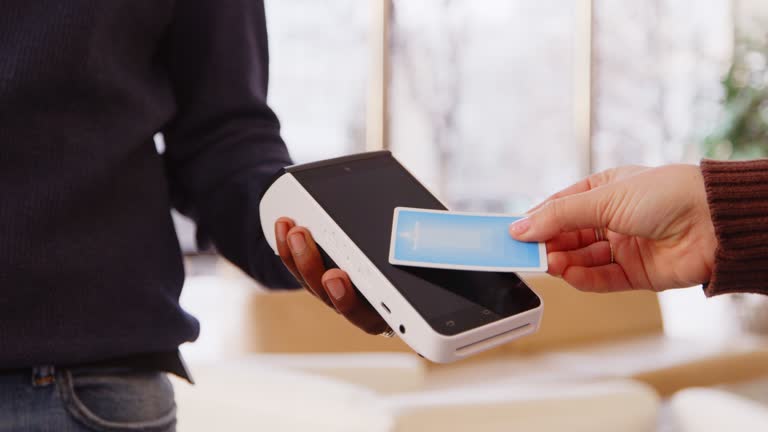
Resetting a card machine typically means restarting its software or restoring default settings to eliminate glitches, connectivity issues, or frozen screens. This guide will take you through the steps to reset your device and get it back in working order.
Steps to reset your card machine
Understanding how to reset your card machine is crucial for maintaining seamless business operations. Follow these steps to troubleshoot and fix common issues effectively.
Identify the right reset method
Before attempting to reset your card machine, determine the correct method for your device. Different manufacturers and models have specific reset procedures. Consulting the user manual or the manufacturer’s website can provide the exact instructions. If you’re unsure, contacting customer support can also be helpful.
Power off and restart the device
Begin the reset process by turning off the card machine. Locate the power button or switch and hold it down until the device powers off completely. Allow it to remain off for a few moments before switching it back on. This basic step can resolve minor issues like system lags or unresponsive screens.
Perform a soft reset
A soft reset is often enough to fix minor glitches without affecting the machine’s stored settings. To perform a soft reset:
- Hold down the designated reset button or a combination of keys, depending on your device.
- Release the button once the device restarts or displays a reset confirmation message.
- Wait for the machine to fully reboot before processing any transactions.
This method is especially useful for temporary system errors, such as frozen screens or delayed transaction processing.
Conduct a hard reset if needed
If a soft reset doesn’t fix the problem, you may need to perform a hard reset. This method restores the device to its original factory settings, erasing any saved configurations or preferences. Hard resets should be used as a last resort.
To perform a hard reset:
- Follow the manufacturer’s instructions to enter the reset mode.
- Confirm the reset when prompted.
- Allow the device to restart and initialize.
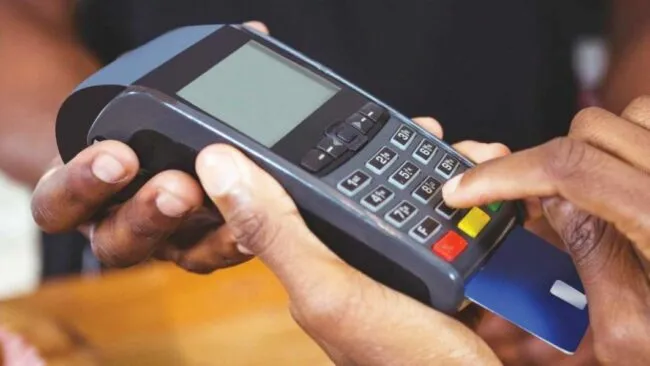
Once completed, you may need to reconfigure the card machine settings, such as connecting it to Wi-Fi or pairing it with other devices.
Test the machine after resetting
After the reset process, conduct a test transaction to ensure the card machine is working correctly. Swipe or insert a test card, check for connectivity issues, and verify if receipts print properly. If the problem persists, reach out to technical support for further assistance.
Updating the software for better performance
In addition to resetting the machine, keeping its software updated can prevent future issues. Manufacturers often release updates to improve security, enhance compatibility, and fix known bugs. Check for available updates through the machine’s settings or visit the manufacturer’s website for installation guidelines.
Ingenico card machine reset
If you are using an Ingenico card machine, follow these steps:
- Hold down the “function” and “clear” buttons simultaneously.
- Keep holding until the device powers off and restarts.
- Follow any on-screen instructions to complete the reset.
Worldpay card machine reset
For a Worldpay card machine, use the following method:
- Locate the power button and switch the device off.
- Wait for a few seconds before turning it back on.
- Allow the machine to restart and initialize fully.
When to seek technical support
If your card machine continues to experience problems despite resetting and updating it, consider seeking expert assistance. Persistent connectivity issues, faulty card readers, or repeated transaction failures may indicate hardware problems requiring professional repairs or replacements.
By following these steps, you can quickly troubleshoot and reset your card machine, ensuring uninterrupted transactions and smooth business operations. If you encounter difficulties, don’t hesitate to contact your service provider for additional guidance.
Troubleshooting card machine issues effectively
Encountering problems with your card machine can be frustrating, especially when it disrupts transactions. However, with the right approach, most issues can be resolved quickly. Here are some key troubleshooting steps to help ensure your card machine operates smoothly.
Ensuring proper power and connectivity
One of the most common reasons for card machine issues is inadequate power supply or connectivity problems. Make sure all cables are securely connected, and if your device operates on battery, check if it needs to be recharged or replaced. A low battery can often lead to processing failures or unexpected shutdowns.
A stable internet or network connection is equally important. If your card machine uses Wi-Fi, verify that it is connected to a reliable network. For wired connections, check that the Ethernet cable is securely plugged in. If you experience slow processing times or intermittent disconnections, restarting your internet router or switching to an alternative network may help.
Checking card reader functionality
Your card machine may fail to process payments due to issues with the card reader itself. Dust, debris, or damage to the reader can interfere with transactions. Gently clean the card slot and contactless reader with a dry, soft cloth to remove any obstructions. Avoid using liquid cleaners, as they may damage the device.
Additionally, test the machine using different payment methods, such as chip and PIN, magnetic stripe, and contactless payments. If one method works while another does not, the issue may be related to a specific type of transaction rather than the device as a whole.
Keeping software and firmware updated
Like any digital device, a card machine requires periodic software updates to function optimally. Check for software or firmware updates from your provider regularly, as these updates often fix bugs, improve security, and enhance compatibility with new payment technologies.
If your machine is outdated, it may experience frequent glitches or slow processing times. Updating the software to the latest version can resolve many performance-related issues and prevent potential security vulnerabilities.
Restarting and resetting the device
Sometimes, a simple restart can resolve temporary glitches or unresponsive behavior. Turn off your card machine, wait a few seconds, and then turn it back on. If the issue persists, consider performing a factory reset. Be aware that a factory reset will erase all stored settings, so ensure you have the necessary backup or support before proceeding.
Interpreting error messages
Error messages displayed on the card machine’s screen can provide valuable clues about the problem. Rather than ignoring them, take note of the exact message and refer to the device’s manual or the provider’s website for guidance. Common error messages may indicate issues like network disconnections, declined transactions, or invalid card readings.
If an error message appears repeatedly, try searching online for solutions or contact customer support for assistance.
Testing different payment methods
If transactions fail using one payment method, test another to identify whether the issue is specific to a particular card type or transaction method. For example, if the chip reader isn’t working, try processing the payment via contactless or magnetic stripe. If only one method fails consistently, the problem may be with that specific reader, requiring cleaning or professional servicing.
Contacting technical support
When troubleshooting on your own doesn’t resolve the issue, reaching out to technical support is the next best step. Be prepared to provide details such as error messages, the nature of the issue, and the steps you have already tried. A support representative can guide you through advanced troubleshooting steps or escalate the issue if necessary.
If your card machine is under warranty, your provider may offer a replacement or repair service, preventing prolonged disruptions to your business.
Maintaining your card machine for longevity
Regular maintenance can help prevent many common issues from arising. Here are a few steps to keep your card machine in top working condition:
- Clean the card reader and contactless sensor regularly to remove dirt and debris.
- Inspect cables and connections for signs of wear or damage.
- Avoid exposing the machine to extreme temperatures or moisture, as these can affect performance.
- Ensure software updates are installed promptly to avoid compatibility issues.
By following these best practices, you can minimize technical problems and ensure smooth payment processing for your business.
OneMoneyWay: Your business account solution
OneMoneyWay offers a range of services to streamline your business operations, including payment processing solutions and financial management tools. While we’re not a bank, our platform provides essential services such as business accounts, cards, currency conversion, and international payment solutions, empowering UK businesses to thrive in today’s competitive market.
FAQs
Can I reset my card machine if it’s frozen or unresponsive?
Yes, performing a reset can often resolve issues with a frozen or unresponsive card machine. Follow the steps outlined in our guide to reset your device and restore functionality.
How often should I reset my card machine?
Resetting your card machine is typically only necessary if you encounter technical issues or errors. However, it’s a good practice to perform routine maintenance, including software updates and system checks, to prevent issues from occurring.
Will resetting my card machine delete any stored data?
No, resetting your card machine typically restores it to its default settings without affecting stored data or transaction history. However, it’s always recommended to back up important data regularly to prevent data loss.
By following these steps and troubleshooting tips, you can reset your card machine effectively and minimize disruptions to your business operations. Remember to reach out to OneMoneyWay for comprehensive payment and financial management solutions tailored to your business needs.