How to choose the right merchant payment processor for your business
In today’s rapidly evolving world, customers expect smooth and efficient payment options, whether they are shopping in physical stores, online, or on the go. For businesses to meet these expectations while ensuring secure and efficient payment handling, merchant payment processing becomes essential. This system allows businesses to accept multiple payment methods swiftly and securely, leading to enhanced customer satisfaction and streamlined financial operations.
What is merchant payment processing?
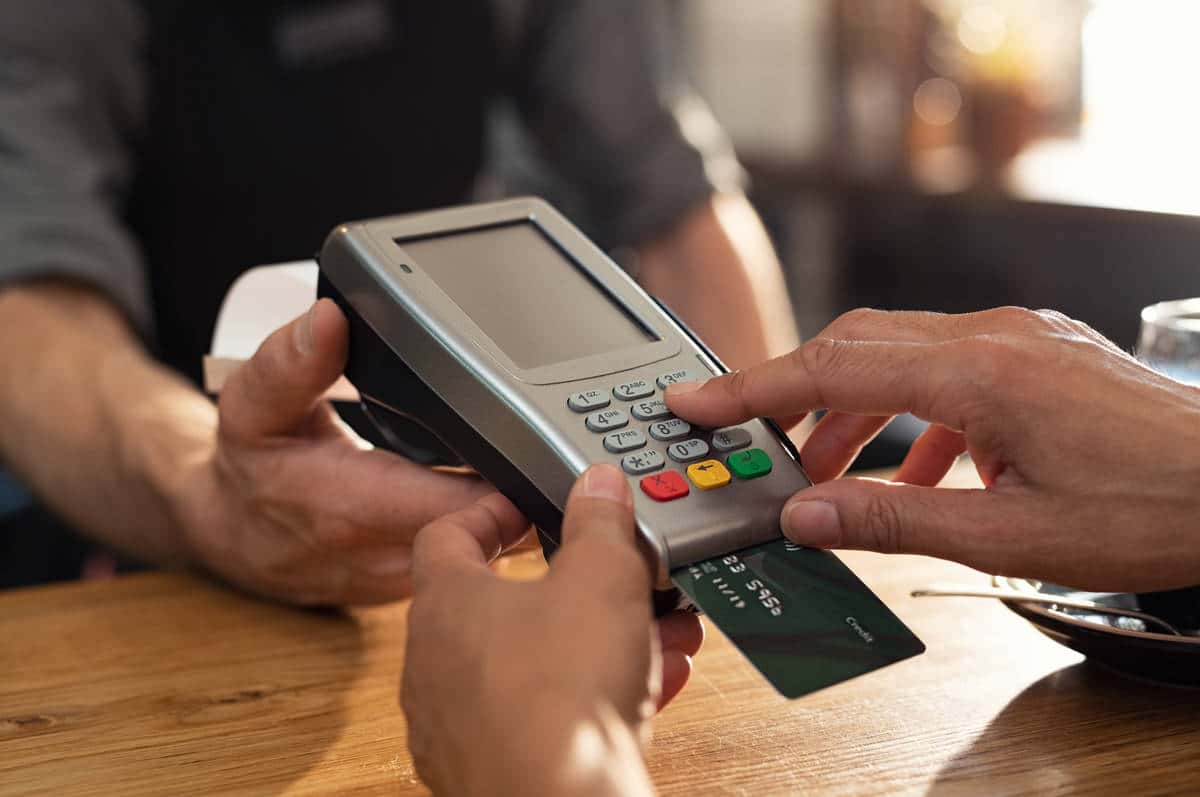
Merchant payment processing refers to the system that enables businesses to accept and manage various forms of payments. It is the technology that allows a store or website to process credit cards, debit cards, and digital wallet transactions. This process involves multiple entities working in harmony to ensure the seamless and secure transfer of funds from a customer’s account to the business’s account.
The core components of merchant payment processing
The effectiveness of merchant payment processing relies on three primary components: the payment processor, the merchant account, and the payment gateway.
Payment processor
The payment processor serves as the central hub responsible for handling the actual transfer of funds. It acts as a mediator between the business and financial institutions, ensuring that transactions are either approved or declined based on the customer’s available funds. With advanced security measures, the payment processor protects sensitive customer information, minimizing the risk of fraud and unauthorized access.
Merchant account
A merchant account is a specialized type of bank account that allows businesses to receive payments via credit and debit cards. When a customer makes a payment, the funds are first held in the merchant account before being transferred to the business’s primary bank account. This temporary holding period helps verify the transaction and ensures compliance with financial regulations.
Payment gateway
The payment gateway acts as a secure bridge between the customer and the payment processor. It captures payment details, encrypts sensitive information, and transmits the data securely for authorization. This step is crucial in preventing data breaches and ensuring the confidentiality of customer information.
How merchant payment processing works
Merchant payment processing is a seamless system that facilitates the transfer of funds from a customer’s card to a business’s bank account. This process is essential for businesses that accept electronic payments. Let’s dive into the steps involved and understand the key players in this system.
The authorization phase
When a customer initiates a purchase, their payment information, whether from a credit card or a digital wallet, is transmitted through a payment gateway. The payment processor then communicates with the customer’s bank (known as the card issuer) to verify the availability of funds and assess the legitimacy of the transaction. If the verification is successful, the transaction is approved.
Ensuring authentication
Authentication is crucial to prevent fraudulent activities. This step confirms the customer’s identity, often through additional measures like entering a one-time password or using biometric data. These security measures help protect both the customer and the merchant from unauthorized transactions.
The clearing process
After authorization and authentication, the transaction enters the clearing phase. Here, the payment details are processed, and the funds begin their journey from the customer’s bank to the merchant’s account. This phase involves verifying the transaction’s accuracy and preparing for the final settlement.
Settling the transaction
Settlement is the final step where the funds are officially transferred from the customer’s bank to the merchant’s bank account. This process can take a couple of days, depending on the payment processor and the banks involved.
Key entities involved
- Merchant: The business or vendor that sells products or services and accepts electronic payments.
- Payment processor: The system that manages the transaction process and ensures each step is executed smoothly.
- Acquirer: The merchant’s bank that receives the payment from the customer’s bank.
- Issuer: The customer’s bank or financial institution that authorizes or declines the transaction.
The role of technology in payment processing
Modern payment systems rely heavily on advanced technology to ensure security and efficiency. Encryption and tokenization are employed to protect sensitive data, while machine learning algorithms help detect fraudulent patterns. Additionally, real-time monitoring systems enhance the speed and reliability of transactions.
Beyond these core technologies, blockchain is emerging as a revolutionary force in payment processing. By decentralizing transaction records, blockchain enhances transparency and security, reducing the risk of fraud and errors. Furthermore, biometric authentication methods, such as fingerprint and facial recognition, are being integrated to provide an additional layer of security.
Cloud-based payment platforms are also gaining traction, allowing businesses to scale operations and access real-time data from any location. These platforms improve flexibility and streamline the payment process, especially for businesses with global operations.
The adoption of artificial intelligence (AI) is another game-changer. AI-driven analytics can identify spending patterns, predict customer behavior, and provide personalized payment experiences. This not only boosts customer satisfaction but also helps businesses make data-driven decisions to enhance revenue.
The various types of merchant payment processing
Merchant payment processing is not a one-size-fits-all approach. Each business has unique needs when it comes to accepting payments. There are three primary types of payment processing methods: in-store, online, and mobile payment processing.
In-store payment processing
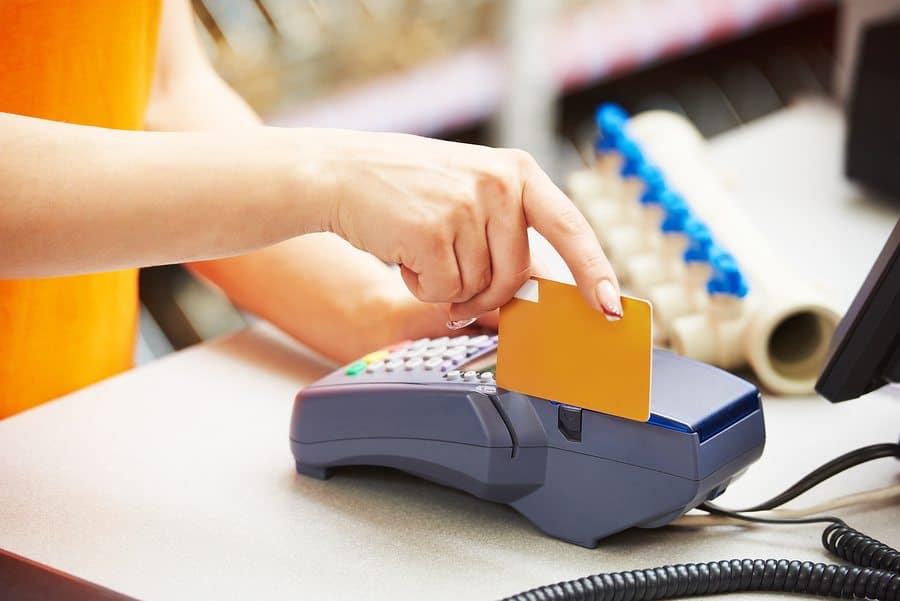
For businesses operating in physical locations, in-store payment processing is essential. This method involves using physical card readers or point-of-sale (POS) systems that handle card transactions efficiently. When customers tap, insert, or swipe their cards, the payment processor swiftly manages the transaction, ensuring security and convenience.
Common methods include:
- Credit and debit card terminals for swiping, inserting, or tapping cards.
- Contactless payment options through smartphones, smartwatches, or contactless cards for a faster and more hygienic experience.
This type of payment processing is vital for improving customer satisfaction and streamlining operations.
Online payment processing
E-commerce businesses depend heavily on online payment processing to manage transactions made through websites. This method allows customers to securely input their payment details, which are then processed via a payment gateway.
Key benefits include:
- Enhanced security through encryption and fraud detection tools to protect sensitive data.
- Unmatched convenience, allowing customers to make purchases from anywhere, 24/7, which is crucial for boosting sales and expanding market reach.
By integrating secure online payment systems, businesses can enhance customer trust and reduce the risk of fraud.
Mobile payment processing
With the rise of mobile technology, mobile payment processing has become increasingly popular. This method caters to customers who prefer using their smartphones or other mobile devices for transactions.
Key features include:
- QR code payments, allowing customers to scan a code with their phone to complete a transaction.
- Mobile wallets, such as Apple Pay and Google Pay, which offer quick, contactless payments.
Mobile payment processing provides flexibility and convenience, especially for businesses operating in fast-paced environments like food trucks and pop-up shops.

The benefits of merchant payment processing for businesses
Implementing an effective merchant payment processing system offers several advantages that can enhance daily operations and support long-term growth.
Faster transactions and improved cash flow
One of the most significant benefits is the acceleration of transaction processing. Quick, seamless payments reduce waiting times for customers and ensure that businesses receive funds promptly. This improved cash flow allows companies to meet expenses, pay employees, and maintain smooth operations.
Enhanced customer convenience
Modern consumers expect multiple payment options. By supporting various payment methods, such as credit cards, mobile wallets, and digital transfers, businesses can cater to different customer preferences. This convenience not only boosts customer satisfaction but also encourages repeat business and customer loyalty.
Security and fraud prevention
Security is a top priority for both businesses and customers. Advanced payment processors offer robust security measures, including data encryption and fraud detection tools. These features help protect against unauthorized transactions and data breaches, giving customers confidence in the safety of their financial information.
Building customer trust and brand reputation
A reliable and efficient payment processing system builds trust and enhances a brand’s reputation. When customers experience smooth and secure transactions, they are more likely to perceive the business as professional and trustworthy. This positive perception can lead to increased customer retention and attract new clients.
Access to valuable insights and data
Merchant payment processors often provide analytics and reporting tools that offer insights into customer behavior, sales trends, and revenue patterns. By analyzing this data, businesses can make informed decisions, optimize marketing strategies, and identify areas for improvement.
How to choose the right merchant payment processor for your business
Selecting the ideal merchant payment processor is a critical step for any business aiming for seamless financial transactions. Here’s a comprehensive guide to help you make the best choice.
Understanding fees and pricing structures
Different processors have varying pricing models, and understanding these is essential to avoid unexpected costs. Evaluate transaction fees, monthly charges, and hidden costs that may accumulate over time. Some providers offer a flat-rate fee per transaction, while others charge based on payment type. Gaining clarity on these structures allows businesses to effectively manage their budget and prevent financial surprises.
Prioritizing security features
Security is paramount when handling customer payment data. Opt for processors that comply with PCI DSS standards to protect cardholder information. Essential features like tokenization, data encryption, and fraud detection systems are crucial for safeguarding both business and customer information. By investing in a processor with robust security tools, you can significantly reduce the risk of data breaches and ensure safe transactions.
Evaluating customer support and service options
Reliable customer support is invaluable when technical issues arise. Seek processors that offer 24/7 support with knowledgeable representatives who can swiftly resolve problems. Multiple support channels, such as phone, chat, and email, enhance accessibility and efficiency. Prompt and effective support is particularly beneficial during peak business hours or when unexpected issues occur.
Ensuring compatibility and integration
A seamless integration with your existing systems is vital for smooth operations. For online stores, the processor should work efficiently with your e-commerce platform. For physical locations, compatibility with your POS system is essential. Smooth integration prevents technical glitches and enhances the overall customer experience, ensuring hassle-free payment processing.
Addressing common challenges in merchant payment processing
While merchant payment processing offers numerous advantages, it also comes with challenges. Here’s how to tackle them effectively:
- Security risks and fraud: Cybercriminals often target payment systems. To mitigate this, choose a processor with advanced fraud detection and real-time monitoring. Regularly updating security protocols and training staff can further prevent breaches.
- Managing costs: High fees can burden small businesses. Negotiating rates and comparing providers can help secure a fair deal. Transparent pricing structures also simplify budgeting.
- System downtime and technical issues: Downtime can result in lost sales and customer dissatisfaction. Working with a reliable processor that offers backup solutions and 24/7 technical support can minimize disruptions and maintain smooth operations.
Future trends in merchant payment processing
The payment processing industry is rapidly evolving, influenced by technological advancements and changing customer preferences. Here’s what to watch for:
Technological advancements
Artificial intelligence (AI), machine learning, and blockchain technology are revolutionizing payment processing. AI and machine learning can swiftly detect fraudulent activity, while blockchain offers a secure and transparent transaction method. These innovations enhance efficiency and security, ensuring faster and safer payments.
Emerging payment methods
Consumers are increasingly turning to digital wallets, buy now, pay later (BNPL) options, and cryptocurrencies. Offering these alternatives can help businesses attract tech-savvy customers and expand their market reach. Younger generations, in particular, value the flexibility and convenience of these options.
Enhancing customer experience
The focus on customer-centric payment experiences is growing. Features like one-click payments, voice-activated purchases, and loyalty program integration are becoming popular. By adopting these developments, businesses can create a seamless and enjoyable payment process, boosting customer satisfaction and retention.

Summing up
Merchant payment processing is more than just a way to accept payments—it’s a tool that supports growth, security, and customer satisfaction. From quicker transactions to advanced security, the right payment processor can make a world of difference for a business. By understanding the benefits, choosing the right provider, and staying ahead of trends, businesses can create a seamless payment experience that builds customer trust and drives success. Embracing the right payment solutions will empower businesses to keep up in an ever-evolving market.
FAQs
What is the difference between a payment gateway and a payment processor?
A payment gateway is an online system that securely captures and sends customer payment details to the payment processor. The payment processor, on the other hand, handles the transaction behind the scenes, moving money from the customer’s bank to the business’s account.
Can small businesses benefit from merchant payment processing?
Yes, small businesses can benefit a lot! Payment processing allows them to accept card payments, making it easier for customers to pay, which can increase sales. Plus, it adds security and speeds up the payment process, helping small businesses grow and manage cash flow better.
How long does it take for payments to process?
The processing time can vary, but most payments take about 1-2 business days to reach the business’s account. Some processors offer quicker options for a fee, so businesses that need faster cash flow can often get same-day or next-day processing.
Are there any hidden fees with merchant payment processors?
Some processors may charge hidden fees like setup fees, monthly minimum fees, or extra fees for certain payment types. It’s important to read the contract carefully and ask about any fees you might not see upfront to avoid surprises.
Do payment processors offer currency conversion for international payments?
Yes, many payment processors provide currency conversion services, allowing businesses to accept payments in different currencies. However, there may be additional fees for this service, so it’s best to confirm the rates and terms before accepting international payments.