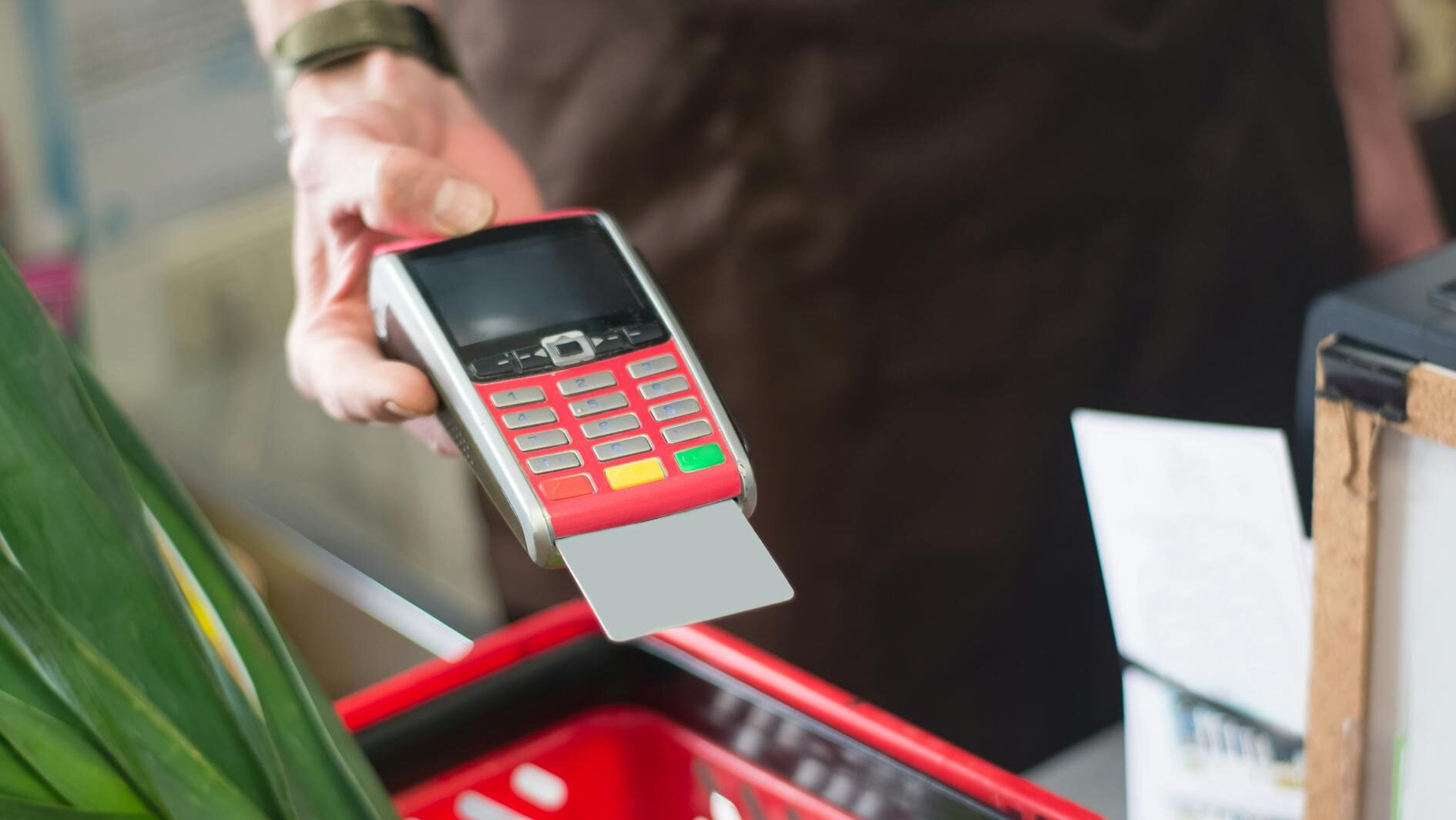
What is a credit card terminal: A closer look
In today’s fast-paced digital economy, businesses need efficient and secure payment solutions to keep up with consumer demands. A crucial component of this system is the credit card terminal, which allows businesses to accept electronic payments seamlessly. Whether running a small retail shop or managing an online enterprise, understanding how credit card terminals work and choosing the right one can significantly enhance your transaction efficiency and customer experience.

What is a credit card terminal
A credit card terminal is a specialized device that facilitates electronic payments through credit and debit cards. Instead of relying on cash transactions, businesses use these terminals to process payments digitally, reducing the need for physical money exchanges. These terminals help streamline accounting, improve transaction security, and offer customers a convenient and hassle-free payment experience.
Businesses today rely on credit card terminals for various reasons, including enhancing sales, minimizing errors in payment processing, and ensuring compliance with modern payment security standards. As consumer preferences continue shifting toward digital transactions, having a reliable credit card terminal has become an essential part of business operations.
Choosing the right credit card terminal
Selecting a suitable credit card terminal depends on various factors, as businesses have different operational needs. Here are some key considerations to help make the best choice:
Business type and operational model
Whether you operate a physical store, an e-commerce platform, or both, you need a credit card terminal that aligns with your business model. Retail businesses may require traditional countertop terminals, while mobile vendors and service-based businesses might benefit from wireless or mobile terminals.
Transaction volume
Your daily or monthly transaction volume will determine the processing power required. Small businesses with fewer transactions can opt for basic models, while enterprises handling a high volume of payments need terminals that can process transactions quickly and efficiently.
Connectivity options
Different terminals offer varying connectivity methods, such as:
- Wired terminals – Connect via phone lines or Ethernet, providing stable and reliable transactions.
- Wireless terminals – Use Wi-Fi or cellular networks, ideal for businesses requiring mobility.
- Mobile card readers – Attach to smartphones or tablets, enabling transactions on the go.
Features and components of a credit card terminal
A credit card terminal comprises several essential components that facilitate seamless transactions. Understanding these features helps businesses maximize the efficiency of their payment systems.
Card reader
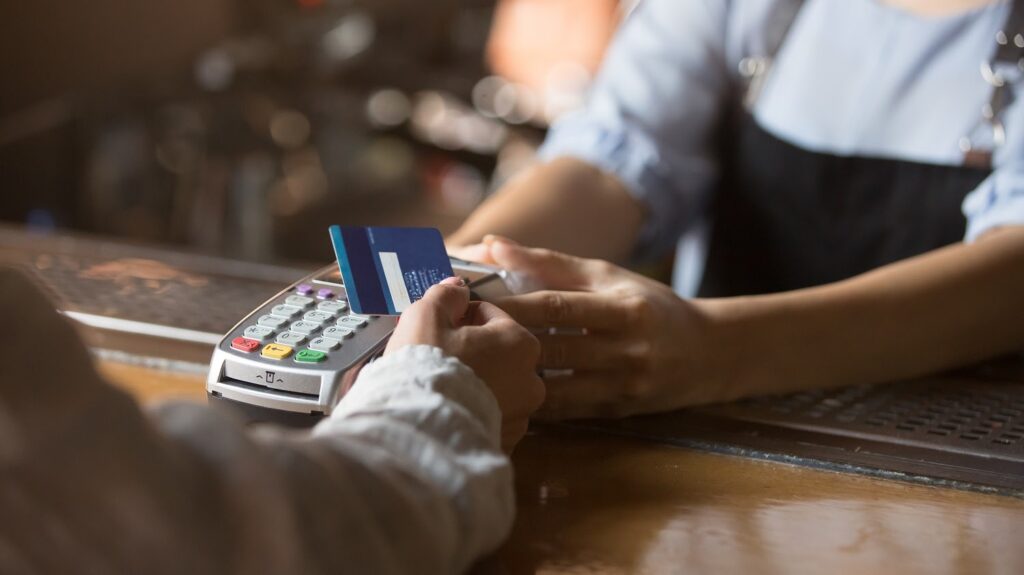
This component allows customers to swipe, insert, or tap their cards. Modern card readers support multiple payment methods, including chip-and-PIN, contactless (NFC), and traditional magnetic stripe transactions.
Keypad and touch interface
Customers use the keypad to enter their PIN, sign for payments, or interact with prompts. Some advanced terminals feature touchscreen interfaces, making the transaction process more intuitive.
Display screen
The screen displays transaction details, such as the amount to be paid and confirmation messages. Some high-end terminals also provide digital receipt options, reducing the need for printed receipts.
Security features
Modern credit card terminals come with robust security protocols, including:
- EMV compliance – Ensures secure chip-based transactions.
- End-to-end encryption – Protects payment data from fraudsters.
- Tokenization – Replaces card details with unique identifiers to enhance security.
Benefits of using credit card terminals
Businesses that adopt credit card terminals enjoy multiple advantages, making them an indispensable tool for modern commerce. Some key benefits include:
- Faster transactions – Digital payments reduce checkout times and improve customer satisfaction.
- Improved security – Reduces the risks associated with handling cash and minimizes fraud-related issues.
- Better record-keeping – Electronic transactions automatically log payment details, simplifying financial tracking and tax reporting.
- Increased sales opportunities – Accepting card payments allows businesses to cater to a broader customer base, including tourists and digital shoppers.
Types of credit card processing terminals
Credit card processing terminals come in different forms, each designed to meet specific business needs. Choosing the right type of terminal can enhance your payment system’s efficiency, ensuring smooth transactions for both your business and customers.
Traditional terminals
Traditional countertop terminals are the most common type used by businesses with fixed checkout locations. These devices connect via a phone line or internet connection, making them ideal for brick-and-mortar stores. They provide a reliable way to process payments securely and efficiently.
Wireless terminals
Wireless terminals offer more flexibility by using Wi-Fi or cellular networks to process transactions. These are particularly beneficial for businesses that require mobility, such as food trucks, event vendors, or service professionals who operate outside of a fixed location. Wireless terminals eliminate the need for wired connections, allowing businesses to accept payments from virtually anywhere.
Virtual terminals
For businesses that operate primarily online or accept payments over the phone, virtual terminals are an excellent option. These cloud-based solutions do not require physical hardware, making them convenient and cost-effective for e-commerce merchants and service providers. They allow businesses to process payments through a secure web-based interface, improving transaction speed and efficiency.
Mobile payment terminals
With the rise of digital wallets and mobile payments, businesses are increasingly adopting mobile payment terminals. These devices connect to smartphones or tablets via Bluetooth or USB, transforming them into powerful payment processing tools. They are widely used by small businesses, freelancers, and independent service providers who need a simple yet effective payment solution on the go.
Integrated POS systems
Point-of-sale (POS) systems combine credit card processing with inventory management, sales tracking, and customer data storage. These advanced systems are ideal for retail stores, restaurants, and businesses looking for an all-in-one solution. Integrated POS systems streamline operations and enhance the overall customer experience by providing seamless payment options.
How to integrate credit card terminals into your payment system
Once you’ve selected the appropriate credit card terminal for your business, integrating it into your payment system is the next step. A well-integrated system ensures smooth transactions and minimizes potential disruptions.
Install and configure your terminal
Follow the manufacturer’s setup instructions to install and configure your credit card terminal. This may include connecting it to your internet or phone line, ensuring proper power supply, and testing connectivity.
Conduct test transactions
Before going live, conduct multiple test transactions to ensure the terminal is functioning correctly. This helps identify and resolve any potential issues that could disrupt payment processing.
Train your staff
Educating your employees on how to operate the terminal is essential. Training should cover basic payment acceptance, troubleshooting common errors, and handling customer queries regarding payment processing.
Monitor and maintain your system
Regular monitoring of your credit card terminal helps prevent technical glitches and downtime. Keep software and security updates up to date, and seek technical support if any issues arise.
Enhance security measures
Protecting customer payment data is crucial. Implement security measures such as encryption, tokenization, and fraud detection tools to safeguard transactions. Ensuring compliance with industry security standards like PCI DSS can help prevent data breaches.
Optimize your payment solutions with OneMoneyWay
At OneMoneyWay, we offer a wide range of cutting-edge credit card processing solutions tailored to meet the evolving needs of businesses. Whether you require a traditional terminal, a wireless option, or an integrated POS system, our advanced technology ensures seamless and secure transactions.
Our solutions help businesses streamline their payment processing while enhancing customer satisfaction. By choosing the right credit card terminal and optimizing your payment system, you can provide a smooth and secure checkout experience.
With this in-depth guide, you now have the knowledge to choose the best credit card processing terminal for your business. Embracing modern payment solutions will help you stay competitive in today’s fast-paced market.

Frequently asked questions (FAQs)
What is the best type of credit card terminal for my business?
The best terminal depends on your business needs. Traditional terminals are great for brick-and-mortar stores, wireless terminals work well for mobile businesses, virtual terminals are ideal for online payments, and POS systems provide a comprehensive solution.
Do I need an internet connection for credit card processing?
Most modern terminals require an internet or cellular connection to process payments. Some traditional terminals can use phone lines, but internet-based options provide faster transactions.
How secure are credit card terminals?
Credit card terminals come with various security features, including encryption and fraud detection. Choosing a PCI-compliant terminal ensures transactions remain secure and protects customer data.
Can I accept contactless payments with my terminal?
Yes, many modern terminals support contactless payments such as Apple Pay, Google Pay, and NFC-enabled credit cards. Ensure your terminal is equipped with this technology if you want to offer contactless transactions.
What should I do if my terminal stops working?
If your terminal experiences issues, check the connection, restart the device, and ensure it has the latest software updates. If the problem persists, contact your payment processor or the terminal manufacturer for support.