


A business guide to biometric payments and security
In today’s digital age, ensuring secure, swift, and dependable payment options is more critical than ever. With the surge in data breaches and identity theft, both consumers and businesses face significant risks when managing financial transactions. Traditional payment methods like PINs, passwords, and physical cards are susceptible to theft and hacking, leading to financial losses and damage to a company’s reputation.
Biometric payments have emerged as a robust solution to these challenges. By leveraging unique biological traits such as fingerprints, facial features, or voice patterns, biometric systems offer a secure and user-friendly payment method. Unlike passwords or cards, which can be stolen or forgotten, biometric traits are unique to each individual and challenging to replicate. This makes biometric payments a promising alternative for enhancing security and convenience.
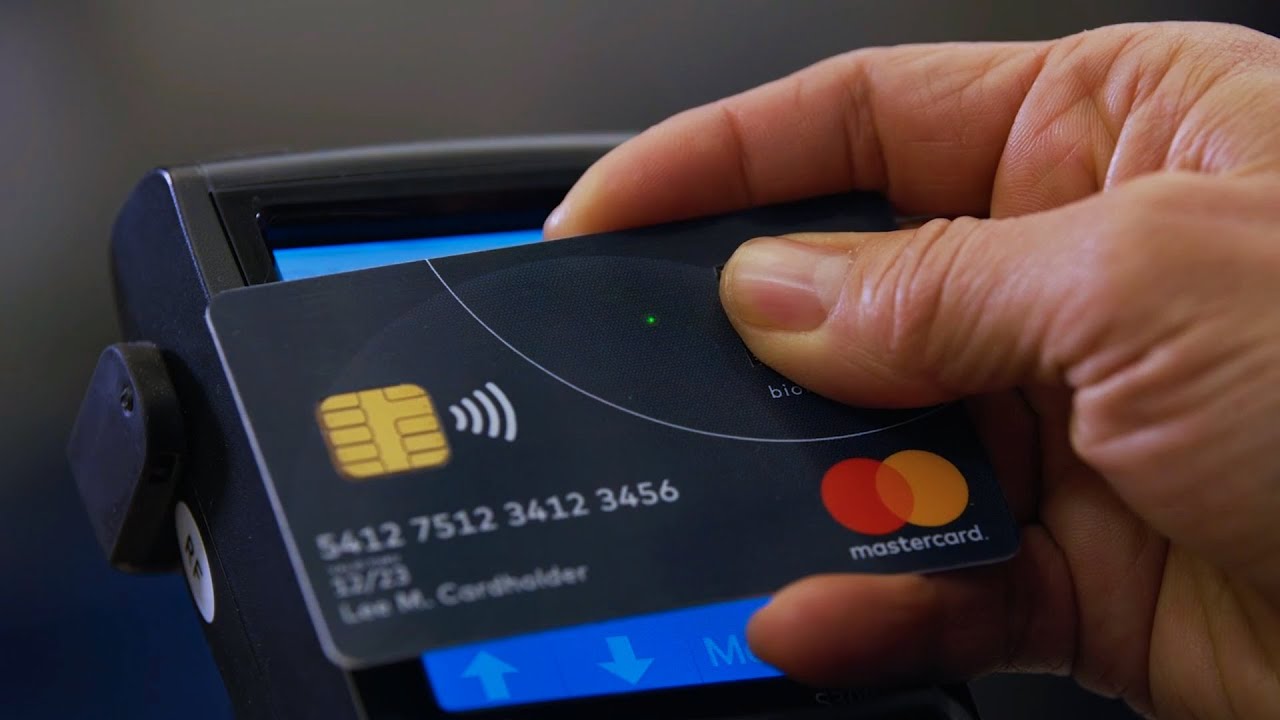
Understanding biometric payments
Biometric payments utilize an individual’s distinct physical or behavioral characteristics to verify identity during financial transactions. Unlike traditional systems that rely on something you know (like a PIN) or something you possess (like a card), biometric payments are based on who you are. This includes fingerprints, facial recognition, iris scans, and even voice recognition.
The technology behind biometric payments captures an image or pattern unique to the individual and compares it to a stored template for authentication. This process ensures that transactions are both secure and effortless.
How biometric payment systems operate
Capturing biometric data
The system first captures an image or pattern of a biometric trait, such as a fingerprint or facial scan, using specialized sensors. This could be through a smartphone, card reader, or dedicated scanner.
Converting data into a digital template
The captured data is converted into a digital template rather than being stored as an image. This template represents the unique features of the biometric data, making it easier to store and compare during future transactions.
Verifying the template
When making a payment, the system captures biometric data again and compares it to the stored template. If there is a sufficient match, the payment is approved.
Key components of this system include biometric sensors (such as fingerprint readers or facial recognition cameras), data encryption to secure the information, and cloud-based storage for enhanced flexibility. These elements work together to prevent unauthorized access and ensure a smooth user experience.
Practical applications of biometric payments
Biometric payment systems are becoming increasingly prevalent in various sectors:
- Retail stores: Many stores now offer fingerprint or facial recognition options for quick and secure checkouts.
- ATMs: Some regions have adopted biometric authentication instead of traditional PINs.
- Mobile payment apps: Incorporating biometric verification adds an extra layer of security.
- Airports and high-security environments: Iris scanning and facial recognition streamline secure access and payment processes.
Potential challenges and solutions
While biometric payments offer numerous benefits, they also come with challenges:
- Privacy concerns: Storing biometric data raises privacy issues. Implementing robust encryption and secure storage practices can mitigate these risks.
- Technology limitations: Inconsistent biometric readings can occur due to poor lighting or sensor quality. Advancements in sensor technology and AI can help improve accuracy.
- Cost of implementation: Installing biometric systems can be expensive. However, the long-term benefits of security and customer satisfaction often outweigh the initial investment.
The main types of biometric authentication used in payments
Biometric authentication is transforming the payment landscape by offering enhanced security and convenience. Various forms of biometric verification cater to different needs, each with its own benefits and limitations.
Fingerprint recognition
Fingerprint scanning is one of the most prevalent biometric methods due to its accuracy and ease of use. By simply placing a finger on a scanner, users can swiftly and securely verify their identity. With the integration of fingerprint readers in smartphones and point-of-sale systems, this method has become widely accessible. Moreover, advancements in sensor technology have enhanced the accuracy and speed of fingerprint recognition, reducing the risk of fraud.
Facial recognition
Facial recognition technology captures and analyzes the unique features of an individual’s face to authenticate identity. Popular on smartphones and some ATMs, this method offers a seamless and contactless experience. However, privacy concerns arise due to the storage and processing of facial data, often in the cloud. Companies must implement robust data protection measures to balance convenience with security.
Iris and retinal scanning
Iris scanning maps the unique patterns in the iris, while retinal scanning focuses on the blood vessels in the eye. These methods provide exceptional accuracy and are commonly used in high-security environments. Although currently less common for everyday payments due to high costs, these technologies are gradually being integrated into banking and secure payment systems. The future holds potential for more widespread adoption as costs decrease and technology advances.
Voice recognition
Voice recognition leverages the unique sound and rhythm of a person’s voice for authentication. Users can complete transactions hands-free by repeating a phrase or password. While less common in retail, this method is gaining popularity in remote and phone-based payment systems. It is especially useful for individuals with physical limitations or those seeking a hands-free authentication option.
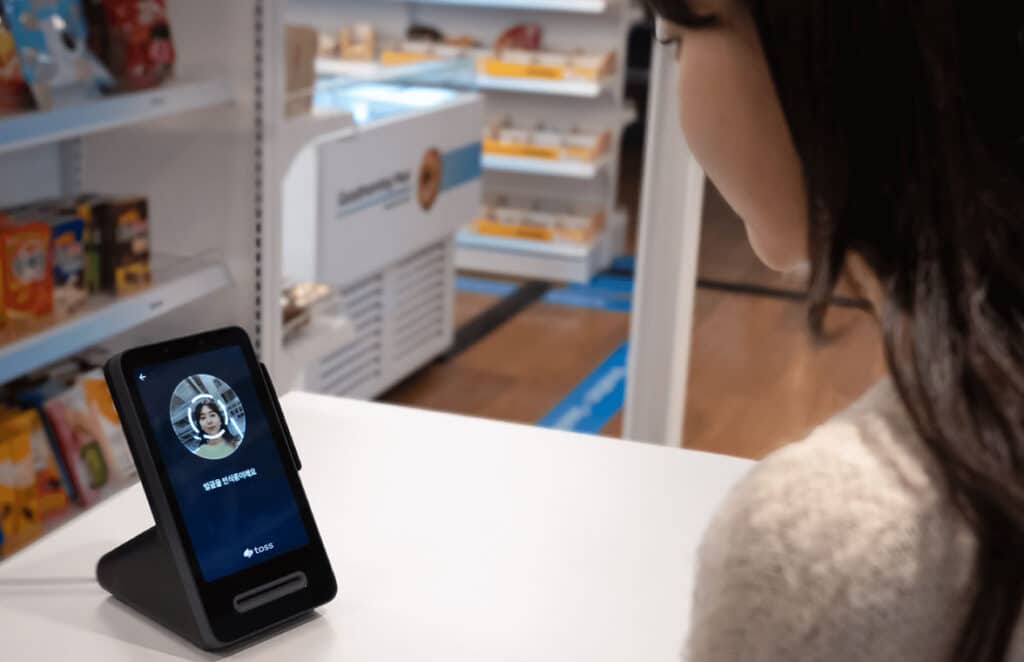
Industries benefiting from biometric payments
Biometric authentication is revolutionizing multiple industries by enhancing security and streamlining payment processes.
Retail and e-commerce
Retail businesses and online platforms are embracing biometrics to offer faster and more secure checkouts. Customers can pay with a fingerprint or facial scan, reducing wait times and enhancing the shopping experience. This approach not only speeds up transactions but also minimizes physical contact, which is increasingly appealing in a health-conscious world.
Banking and financial services
The banking sector has quickly adopted biometric payments to prevent fraud and enhance customer security. ATMs in certain regions allow customers to withdraw cash using fingerprint or facial recognition, eliminating the need for PINs. Mobile banking apps and online platforms also incorporate biometric authentication, allowing users to log in and authorize payments with ease.
Healthcare and government sectors
In healthcare, biometric authentication ensures accurate patient identification and secure payment processing. Hospitals and clinics use biometric check-ins to verify patient identities and prevent unauthorized access to medical records. Government agencies also benefit from biometric payments, particularly for secure identity verification in tax payments and benefit claims.
The benefits of biometric payments
Biometric payments have emerged as a revolutionary method for both businesses and consumers, offering a blend of security, convenience, and efficiency. By leveraging unique biological traits, such as fingerprints or facial recognition, this technology enhances the payment process in several ways.
Enhanced security and fraud prevention
One of the most significant advantages of biometric payments is the heightened security they provide. Unlike traditional methods that rely on passwords or PINs, which can be easily forgotten, shared, or stolen, biometric data is unique to each individual. This uniqueness makes it extremely difficult for fraudsters to replicate or manipulate the system.
Moreover, biometric authentication reduces the risk of identity theft and unauthorized access to accounts. For instance, fingerprint scanning or facial recognition ensures that only the authorized user can complete a transaction. This added layer of protection not only safeguards consumers’ sensitive information but also protects businesses from financial losses and reputational damage.
Improved convenience and user experience
Biometric payments streamline the transaction process, offering unparalleled convenience. With a simple touch or glance, users can authorize payments, eliminating the need to carry physical cards or remember complex passwords. This is particularly beneficial for contactless payments, where speed and efficiency are crucial.
In addition, biometric authentication minimizes the time spent at checkout counters, reducing long queues and enhancing customer satisfaction. For online shopping, it eliminates the hassle of entering card details or passwords, providing a seamless and frictionless experience.
Operational efficiency for businesses
For businesses, the integration of biometric payment systems leads to increased operational efficiency. Automated authentication reduces the need for manual verification, allowing employees to focus on other essential tasks. This not only speeds up the payment process but also helps manage customer flow more effectively.
Furthermore, businesses can reduce the costs associated with handling physical payment methods, such as card readers or cash registers. The adoption of biometric technology also helps in minimizing errors related to manual data entry, thereby improving overall accuracy and customer satisfaction.
Reduced dependency on physical payment methods
The shift towards biometric payments significantly reduces the dependency on physical payment methods, such as credit cards or cash. This is particularly advantageous for individuals who frequently misplace their cards or struggle to remember passwords. By simply using their fingerprint, facial recognition, or even voice authentication, users can make secure and quick payments.
For businesses, this reduction in physical payment handling translates to lower operational costs and fewer instances of fraud or counterfeit transactions. Additionally, it paves the way for a more sustainable and eco-friendly payment system by reducing the need for plastic cards and paper receipts.
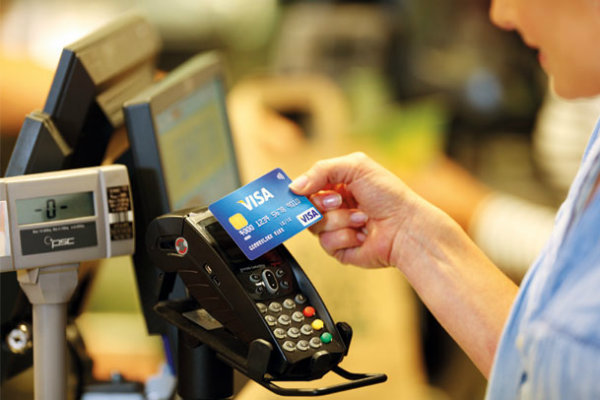
Challenges and considerations of biometric payments
While biometric payments offer numerous benefits, they also come with certain challenges and considerations that need to be addressed for successful implementation.
Privacy and data protection concerns
Biometric data is highly sensitive and, if compromised, can lead to severe privacy violations. Unlike passwords, which can be changed, biometric data is permanent and cannot be reset. Therefore, businesses must invest in robust encryption technologies and secure storage systems to protect this data from cyberattacks.
Moreover, compliance with privacy regulations, such as the General Data Protection Regulation (GDPR), is essential to avoid legal consequences and build consumer trust. Transparent policies on data collection, storage, and usage are critical in reassuring customers about the safety of their biometric information.
High implementation and maintenance costs
The adoption of biometric payment systems requires substantial investment in specialized hardware and software, such as fingerprint scanners or facial recognition cameras. For small and medium-sized businesses, these upfront costs can be a significant barrier to entry.
Additionally, ongoing maintenance, regular system updates, and security patches are necessary to ensure the smooth functioning and protection against potential vulnerabilities. This continuous investment can be financially challenging for some businesses.
Accuracy issues and potential vulnerabilities
While biometric systems are generally accurate, they are not infallible. Factors such as changes in appearance, lighting conditions, or skin conditions can affect the system’s ability to recognize an individual. False positives or negatives can lead to customer frustration and hinder the payment process.
Moreover, the risk of spoofing or hacking attempts, such as using high-quality photos or fake fingerprints, remains a concern. Businesses must implement multi-layered security measures and stay vigilant against emerging threats.
Building consumer trust and compliance
Consumer acceptance is crucial for the widespread adoption of biometric payments. Some individuals may be hesitant to share their biometric data due to privacy concerns or lack of trust in the technology. Businesses need to educate customers on the security measures in place and the benefits of biometric authentication.
Furthermore, adhering to regulatory requirements and obtaining necessary consent from users is vital to avoid legal repercussions and maintain a positive reputation in the market.
Comparing biometric payments with traditional payment methods
Biometric payments are transforming the financial landscape by offering unparalleled security and convenience when compared to traditional payment methods.
The superiority of biometric authentication over PINs and passwords
Biometric traits are inherently unique to each individual, making them significantly harder to steal or replicate than PINs and passwords. Traditional methods hinge on “something you know,” such as a password, which can be easily guessed, hacked, or shared. In contrast, biometric authentication relies on “something you are,” such as fingerprints or facial recognition, which provides an additional layer of security. This unique feature makes biometric payments a more robust and secure option for verifying identity.
Biometric payments versus tokenization and two-factor authentication
While tokenization and two-factor authentication (2FA) are effective security measures, they primarily focus on device-based protection. Tokenization substitutes sensitive data with a unique code or token, and 2FA requires a secondary form of authentication, such as a code sent to a phone. However, biometric payments enhance security by linking authentication directly to the user’s identity rather than a temporary code or device. This direct connection reduces the risk of fraud and unauthorized access.
Key strategies for businesses adopting biometric payments
For businesses aiming to implement biometric payment systems, adhering to best practices is essential for success.
- Ensuring data security and regulatory compliance: Protecting biometric data is critical. Businesses must secure data storage through encryption and restrict access to authorized personnel. Compliance with data protection regulations, like GDPR, is also vital to avoid legal repercussions and maintain customer trust.
- Selecting the right biometric technology: Not all biometric methods fit every business model. Factors such as cost, ease of use, and customer preferences should guide the selection process. For instance, a fingerprint scanner might be more practical for retail settings, while facial recognition could be ideal for banking applications.
- Educating users and obtaining consent: Transparent communication is key to customer acceptance. Businesses should explain how biometric data will be used and obtain informed consent to build trust and enhance user comfort.
- Regular system updates and maintenance: Continuous updates and maintenance are crucial to keep biometric systems secure and efficient. As technology evolves, adjustments may be necessary to improve accuracy and prevent vulnerabilities.
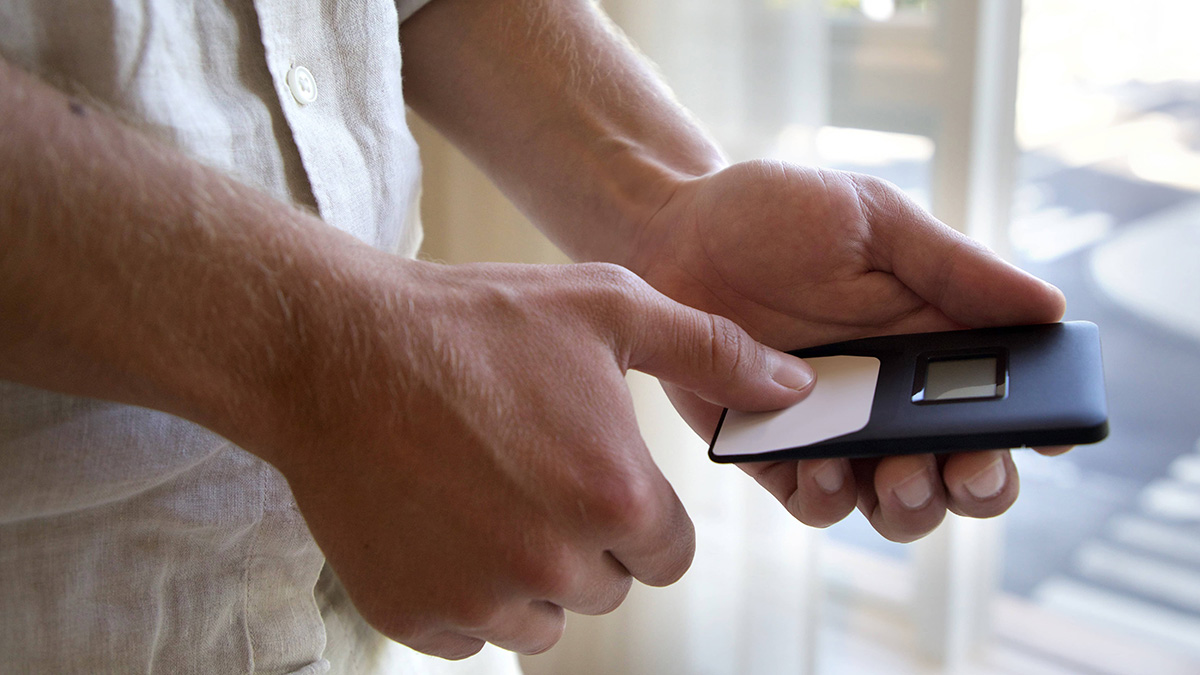
The promising future of biometric payments
Biometric payments are set to revolutionize various sectors as more businesses seek secure and convenient transaction methods.
- Growing adoption across industries: With increasing demand for secure and seamless transactions, industries like retail, banking, and healthcare are rapidly embracing biometric payments. This trend is expected to accelerate as technology advances.
- Emerging biometric technologies: Innovations such as heartbeat recognition and vein mapping are on the horizon, offering enhanced accuracy and security. These advancements will further solidify biometric authentication as a reliable payment method.
- AI integration for enhanced security: Artificial intelligence and machine learning are playing an integral role in refining biometric systems. By identifying subtle changes in biometric data, AI enhances accuracy and reduces errors, making the technology more adaptable to real-world conditions.
FAQs
Are biometric payments safe from hackers?
Biometric payments are generally more secure than traditional methods, but no system is completely hack-proof. Strong encryption and secure data storage make it difficult for hackers to access biometric data, but it’s still important for companies to maintain robust security measures.
Can biometric payments work if I have an injury, like a cut on my finger?
Yes, but it depends on the biometric method. Fingerprint scanners might struggle with injuries, but alternatives like facial or voice recognition usually work fine, even if your fingerprint can’t be scanned.
Do biometric payments require an internet connection?
Most biometric payment systems need an internet connection, especially if they use cloud storage for data. However, some systems can work offline if they store data locally on your device.
What happens if I want to stop using biometric payments?
You can usually opt out of biometric payments and revert to other methods, like PINs or passwords. Contact the payment provider or bank to delete any stored biometric data from their system.
Can biometric payment data be shared with third parties?
Legally, companies aren’t allowed to share biometric data without your permission, especially in places with strict privacy laws. Always check the company’s privacy policy to see how your data is used and shared.